
Don was a young military policeman stationed in Europe in the late 1980’s. One night while on patrol a car sped by with American Service plates. Excited for his first chase he and his shift supervisor pulled out in pursuit. They watched in horror as the car careened of a tree and flipped upside down into a pond. Within moments the driver crawled out of the pond and was screaming “My boy, my boy!” The driver had obviously been drinking and was frantic about his son who was still in the now sunken car.
Don dropped his gun belt and plunged into the frozen water. An accomplished swimmer and skin diver he went below the water several times holding his breath for minutes at a time. He searched the black water inside the sunken car and the area around it and never found the six-year old boy. Later that evening when the car was removed by a wrecker, the boy’s body was found lodged under the front seat. T this day Don experiences extreme guilt for not finding the child and blaming himself for the boy’s death. He has also been known to become violent around people drinking irresponsibly. In 1990 he was reprimanded for his actions against a drunk driver he took into custody. During the apprehension when the suspect tried to spit on him he lifted the suspect off the ground and while in handcuffs body slammed him to the ground. Even though the event had happened over thirty years ago, Don has tried to repress the memory and has only discussed the event with a handful of people. Repression only makes PTSD worse. (Lindh)
PTSD known as Posttraumatic Stress Disorder needs to be diagnosed by a doctor who has experience helping people with mental illness, such as a psychiatrist or psychologist, can diagnose PTSD. While this disorder affects many people especially those who have or currently server the military, not everyone that experiences a traumatic incident develops PTSD.
Signs and Symptoms
To be diagnosed with PTSD an adult must have all the following for at least one a month:
- At least one re-experiencing symptom, bad memories.
- At least one avoidance symptom, staying away or avoiding certain places that may remind them of the event.
- At least two arousal and reactivity symptoms, a negative change in thinking mood.
- At least two cognition and mood symptoms. Physical and emotional reactions.
- Re- Experiencing symptoms to include, flashbacks, bad dreams, frightening thoughts. (Mayo)
Stereotypes
Raymond was pulled aside by one of his closest friends and co-worker last year. “Everybody is afraid of you”, his buddy said, “they all think you have a gun in your backpack and are going to go postal one day.” Raymond shattered by the news began isolating himself from his coworkers and stopped attending team functions. Six months later he left the team even though he had never shown signs of aggression or difficult behavior.
There are negative stereotypes that people affected with PTSD suffer. A common one is that someone experiencing PTSD has a mental weakness and should just get over it. What people don’t realize is not everyone who goes through a trimitic event can just move on, and it has nothing to do with mental weakness. As I mentioned above there are other factors that go into diagnosing PTSD. Those who suffer from the illness can also develop a self-stigma where they internalize the beliefs of others.
PTSD and Opioid Abuse
The relationship between PTSD and opioid abuse is that most people especially or veterans is they self-medicate. Veterans with PTSD often experience problems with everyday life, interpersonal relationships, health and normal life functions like going to the store and dealing with work, navigating through a city, or excessive depression or anxiety. Opioids often allow them to mellow out but then they become addicted and lack of getting them amplifies the issue. Even though most of those on opioids hide the addiction well, when compounded with PTSD it can make them feel weak, damaged or a lost cause. (NCBI)
There are online sources that can help in supporting people affected with this mental disorder as well as their family members. Veterans Administration, Boise Rescue Mission and Neptune Warrior to name a few. Neptune Warrior is one of the more interesting organizations and I volunteer for it. It specifically uses diving to “heal heroes one dive at a time”. They have had to not only work with those impacted by PTSD, TBI, and what their founder calls “Loss of Tribe Syndrome” but have had to coach those with Opioid addiction as well. (Anderson)
Some of the online resources I found with reliable information about this condition are DrugRehab.com, WebMD.com, Mayo Clinic.com. All these sites are the most popular and useful according to Google Analytics, who looks at not only the amount of traffic that goes to a site, but also on user feedback such as page clicks, forwarding of URLs, return visits, and overall ease of use of the pages. Specifically, the Mayo clinic is recommended by other organization such as Neptune Warrior for its divers to reference not only for opioid information, but for diving injuries as well. Neptune currently has two divers with past opioid problems.
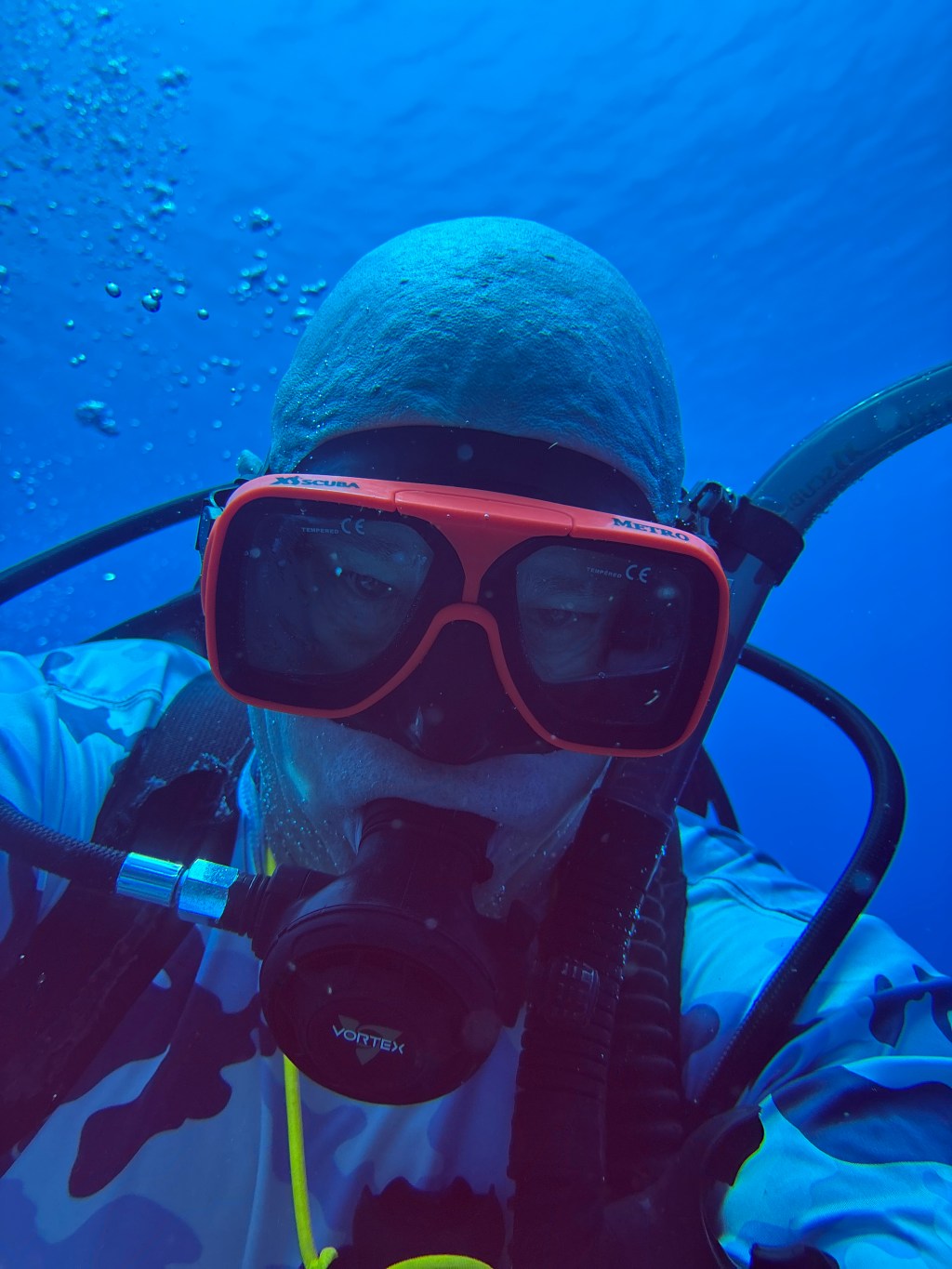


 The Neptune Warrior
Leave a comment