
The past few weeks I’ve had conversations with potential clients. Most of the conversations are around goals in diving, what they would like to get out of diving, if already a diver what some of their history as a diver has been, what kind of trips they have taken or want to take, etc.
One conversation that comes up in a few cases is cost. I say few because most divers whether new or experienced, who come to me already know they want specific outcomes in their diving and understand how I teach and the type of diver I coach and certify. I work with divers who want to improve their skills through a journey and not just getting a certification.
I know I am one of the most expensive scuba instructors and I am ok with that. I recognize I may not connect with every prospect. In cases where I don’t feel it is a good fit or that the potential client is looking for the “cheapest” instruction or needs training done “right now”, it’s not going to work out for either of us. Not to sound arrogant, but there are a few rules I don’t do because anytime I violate that rule I get burned and the client walks away feeling robbed.
Scuba Rob’s (own) Rules of Dive Coaching and Training
- I don’t discount.
Sweat equity- yes. Trade service for product-yes. Pay my way on a trip to a resort- yes.
Discount to beat a competitor- hard no. Breakdown my price structure- no. Break up services and equipment- no.
2. I don’t justify my prices.
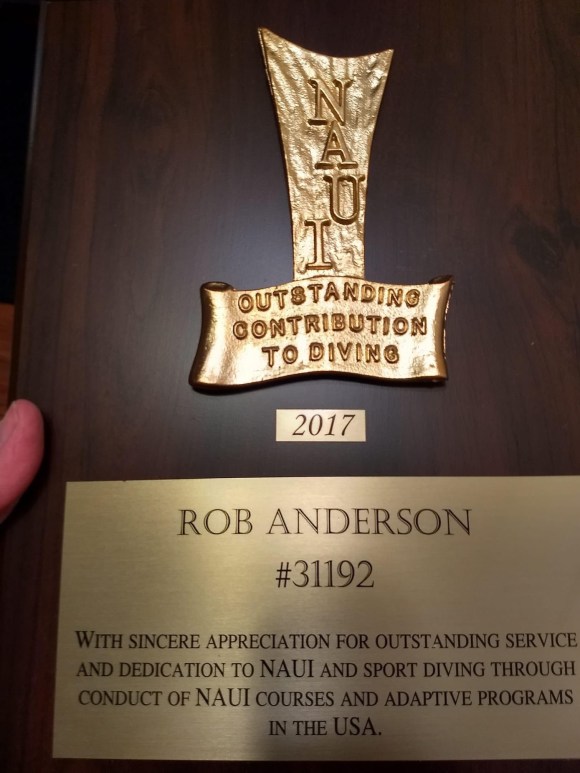
I have been a solid instructor since 1998. I have been a recognized by NAUI as a Top 25 Contributor to the industry. I am a certified and registered life, business, and financial coach (which all comes into play in diving.) I speak on international platforms and have written and been featured in national publications. I am called in for consultation on public safety diving missions. I provide equipment as part of the lesson the student gets to keep. I don’t charge additional coaching fees. I don’t charge (beyond expenses) fees for travel. These aren’t justifications, just part of what you get.
3. I don’t do weekend zero to hero classes
I was once getting bullied at school. I had a friend who was a blackbelt in a few martial arts disciplines. I asked him to “show me a few moves” to counter the bullies the next time I got picked on. But without practice, practical application (sparring), and building the confidence through repetition and small victories I wasn’t prepared for the engagement I would provoke the next day. I got my ass kicked.
Every time I teach one of these mind dump classes I walk away regretting it. Meeting at a pool on Saturday morning, working brand new divers on the very basic of skills, then heading to the lake for the first dives, meeting back on Sunday and repeating the process. Its too much, too soon, and too rushed. The client walks away with a C-card and no appreciation for the discipline of diving and I walk away feeling I cheated someone out of an incredible learning adventure.
4. I build divers, not people who are just certified to dive
I teach private only. I want my divers to become part of the lifestyle. To find adventure, joy, peace, and experience an incredible journey. I want them to be hungry to explore the inner space that is around them.
5. Private classes are where I best connect divers to diving
All divers learn at their own pace no matter how a course is structured. Every diver progresses at their own pace in my sessions. When the focus is on the individual diver, they can fully develop each critical skill without the pressure to move forward before they’re ready, or the boredom that can come from moving too slowly with divers who don’t catch on as quickly.
Working with individual divers I can provide instant feedback. Using the model of P.O.I.P.S.S.F I created, I am able to provide specific and personalized feedback to the diver as well as get input from them.
In a one-on-one lesson, the diver can focus on technique. Whether we are using games like the buoyancy tree or micro focusing on a skill like helicopter turns, personal attention in private lessons allows divers to refine more detailed areas of their diving that they wouldn’t necessarily get in a group setting. Each skill builds upon the previous, so establishing good technique from the start, and refining each step of the way, is essential in learning an instrument.
The most important thing is for a potential diver to find their way into diving. If they only want to get certified and borrow gear that is their choice, its not my place to judge. My desire is for anyone who wants to dive to find an avenue into the water. If its only to be a bucket list item then a shop that gives good instruction and rental gear is an available path. If someone is more interested in the journey, wants the appropriate gear for their level of diving, and is wanting to dive as a lifestyle, well let’s talk.



 The Neptune Warrior
Leave a comment