
Imagine being submerged in the depths of the North Atlantic, off the coast of New Jersey, where the waters conceal the secrets of history beneath a shroud of perpetual darkness. As I embarked on one such dive, in the pitch-black waters off the New Jersey coast, I was acutely aware of the haunting effects of nitrogen narcosis lurking in the depths. The inky blackness of the water seemed to envelop me, creating an environment both eerily beautiful and deeply mysterious. As I ventured deeper, the blend of excitement and trepidation surged through me. The waters off the New Jersey coast bear the scars of World War II, with German U-boats once prowling these shores, sinking countless merchant vessels. The history of these sunken ships, still lying on the ocean floor, serves as a poignant reminder of the past. The discoveries I made during that dive, the principles of dive physics that underpinned the experience, and the importance of understanding our surroundings would profoundly influence my approach to effective leadership.
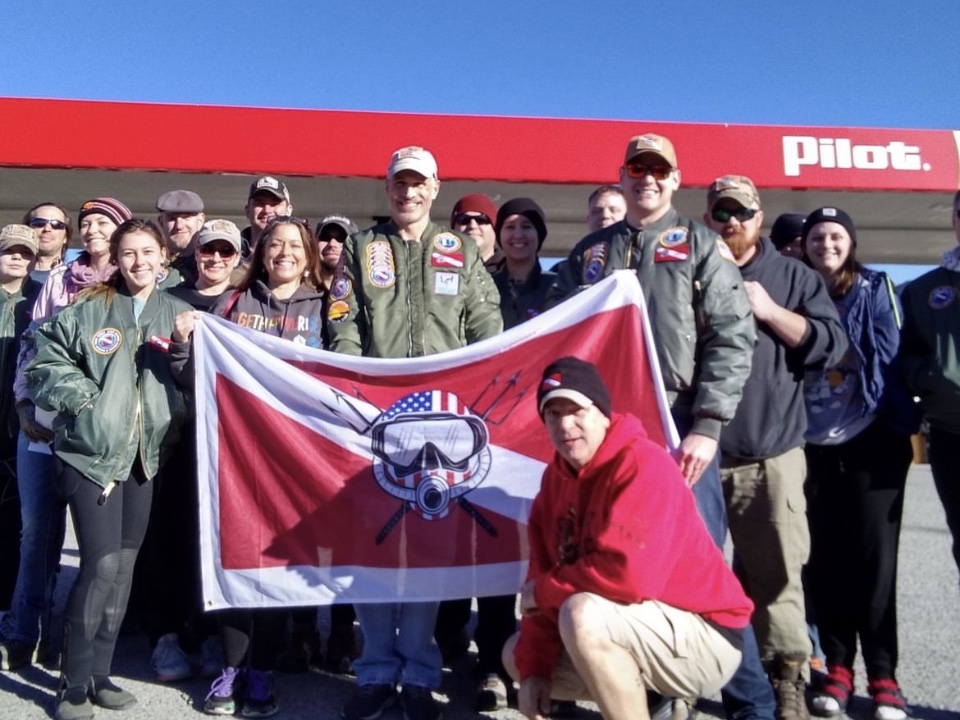
- Mastering the Basics: Equalizing and Building Foundations
Much like in scuba diving, where divers must master equalizing pressure for ear protection, I’ve learned that effective leadership begins with mastering the basics. Just as equalizing your ears as you descend the depths ensures comfort underwater, strong foundational knowledge ensures smooth operations within my team. - Communication is Key: Hand Signals and Clarity
Scuba divers rely on a set of hand signals for communication. “Where is the boat?”, “Go deeper”, “Watch me”, and countless other phrases are used on each dive between buddy teams. I’ve come to appreciate how clear communication is vital in business. I’ve learned that the clarity of communication can mean the difference between success and failure, both underwater and in my leadership roles. - Safety First: Planning and Risk Management
Scuba divers meticulously plan their dives, considering weather conditions and emergency procedures. Leadership requires planning and risk management as well. I’ve learned that as a leader, I must anticipate challenges, plan for contingencies, and prioritize safety. Just as divers stay vigilant for potential hazards, I must proactively identify and mitigate risks. - Adapting to the Environment: Flexibility in Leadership
Scuba divers adapt to the unpredictable underwater environment, and I’ve realized that flexibility and adaptability are equally crucial in leadership. I understand that the ability to adjust and make informed decisions is a trait shared by both successful divers and leaders. - Teamwork: Buddying Up in Leadership
Scuba divers rely on a buddy system for safety, and I’ve seen the value of teamwork in leadership. I believe that fostering camaraderie and collaboration within my team is essential. Just as a buddy system in diving enhances safety, teamwork in leadership leads to higher productivity and overall success. - Shipwreck Diving: Learning from the Past
Shipwreck diving offers insights into history and the importance of preserving the past. As a leader, I’ve learned that understanding the history and legacy of my organization can provide valuable lessons for the present and future. Just as shipwreck divers explore sunken vessels, leaders can delve into the history of their companies to make informed decisions. - Cavern Diving: Navigating Confined Spaces
Cavern diving demands precision and caution while navigating confined spaces. As a leader, I’ve found that managing challenging situations in business often feels like navigating through a cave system. Effective leaders excel in guiding their teams through complex and tight spaces, just as cavern divers do. - Navigation: Staying on Course
In scuba diving, navigation skills are paramount. Divers use tools and landmarks to ensure they stay on course. In leadership, effective navigation means setting a clear direction for the team, using tools like performance metrics and milestones to reach the organization’s goals. - Dive Equipment: Specialized Tools for Success
Scuba diving relies on a range of specialized equipment, from masks and fins to buoyancy control devices (BCDs) and regulators. Each piece of equipment has a specific function and contributes to the overall success of the dive. Similarly, leaders have their “equipment,” such as technology, data analytics, and communication tools. For example, just as a dive computer helps divers monitor their depth and decompression, leaders use data analytics to track performance and make informed decisions. - Dive Physics: Understanding the Underwater World
Scuba divers must grasp the principles of dive physics, including pressure, buoyancy, and gas laws. In leadership, understanding the fundamental principles of business and economics is essential. For instance, just as divers must calculate their air consumption to plan their dives, leaders use economic principles to allocate resources effectively.
The thrill of discovering a long-lost shipwreck in the dark depths of the North Atlantic, just off the New Jersey coast, was a moment I’ll never forget. These waters, once patrolled by German U-boats, are now the resting place of sunken merchant vessels, remnants of a time when conflict raged across the seas. The eerie but enchanting darkness, the weight of history all around me, and the potential effects of nitrogen narcosis added an extra layer of complexity to the dive, serving as a stark reminder that the lessons we learn from the depths, whether from the equipment we carry, the physics we understand, or the challenges we face, can profoundly influence our approach to effective leadership. Just as skilled divers navigate the underwater world with confidence, I strive to guide my team to success with purpose and clarity, drawing from the lessons of both scuba and leadership.
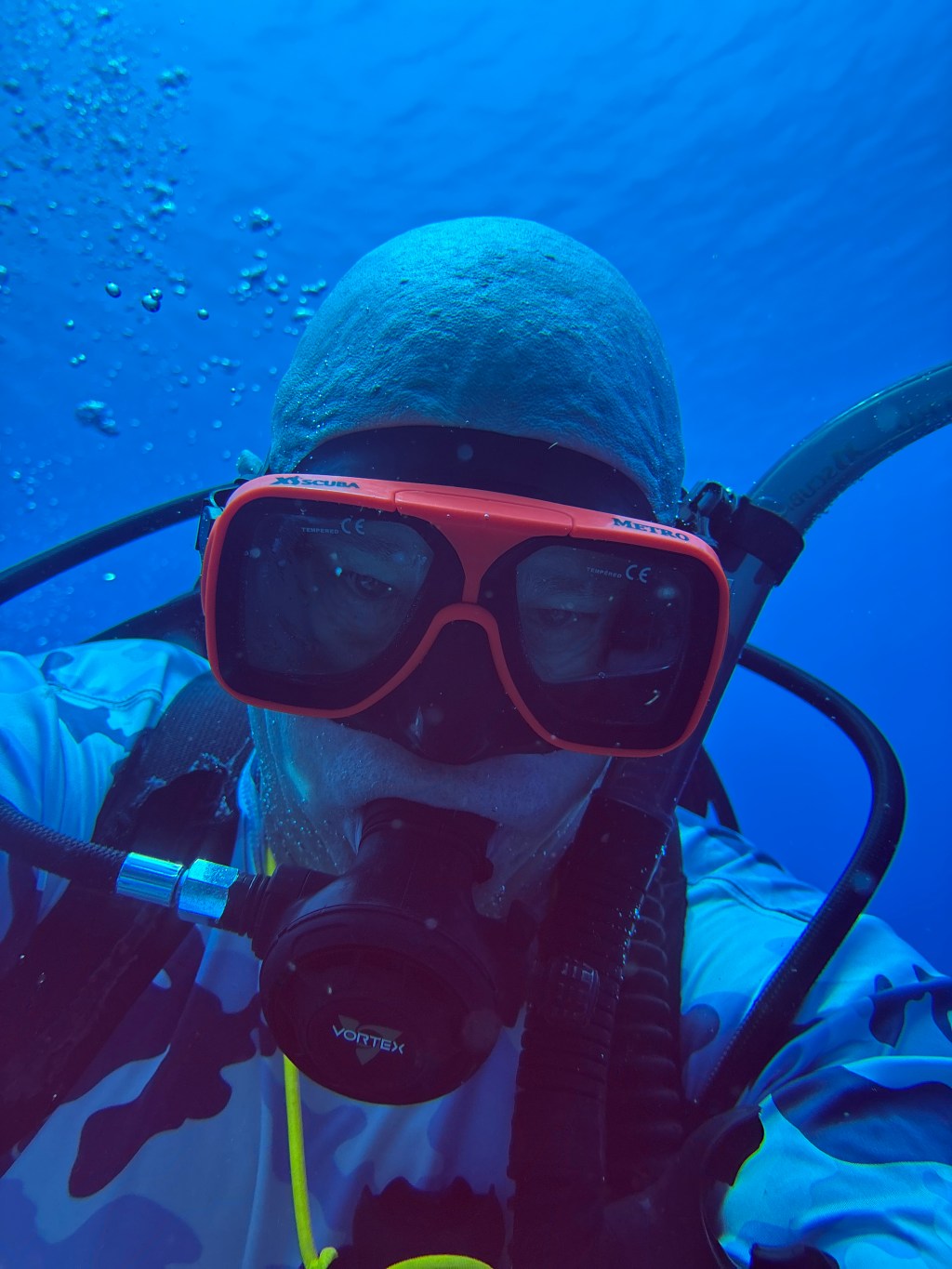


 The Neptune Warrior
Leave a comment