
I am a survivor. Diving saved my life Now my mission is understanding how PTSD rewires each of us and how diving offers a way to a better life. In this post sharing my research and stdies of the past 7 years since I started this journey of healing.
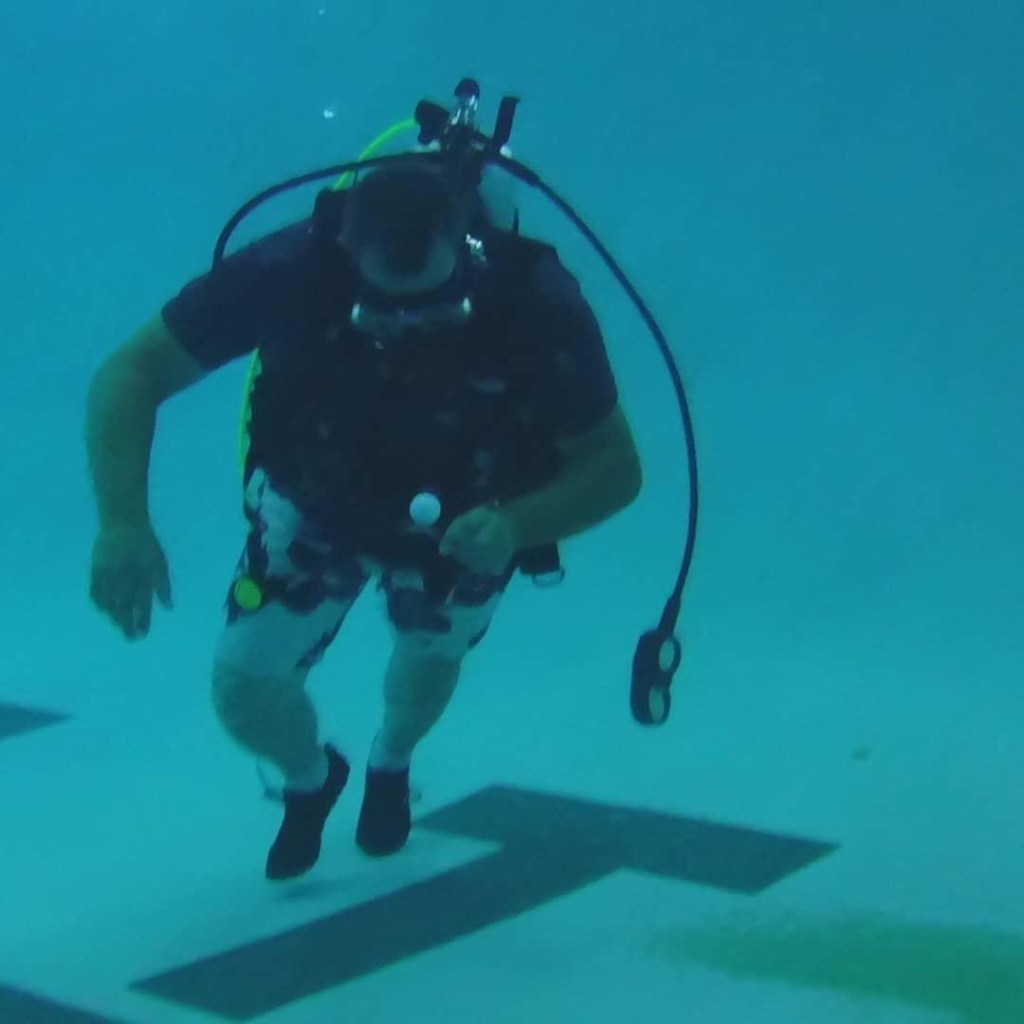
The neurobiology of PTSD, or Post-Traumatic Stress Disorder, delves into the intricate relationship between the brain’s structure and function and the impact of traumatic experiences. It’s a complex field, but here’s a simplified explanation, including how scuba diving can help alleviate some PTSD symptoms:
1. Amygdala:
- The amygdala, a small almond-shaped region in the brain, plays a pivotal role in processing emotions, especially fear and stress.
- In individuals with PTSD, the amygdala often becomes overactive, leading to heightened emotional responses, including fear and anxiety.
2. Hippocampus:
- The hippocampus, responsible for memory formation and consolidation, can shrink in size in people with PTSD.
- This shrinkage may contribute to difficulties in distinguishing traumatic memories from ordinary ones and processing traumatic events properly.
3. Prefrontal Cortex:
- The prefrontal cortex, crucial for higher-level cognitive functions, such as decision-making and emotional regulation, can become less active in individuals with PTSD.
- This decreased activity can result in difficulties in regulating emotions and controlling fear responses.
4. Neurotransmitters:
- Neurotransmitters, which transmit signals between nerve cells, often experience an imbalance in individuals with PTSD.
- This imbalance can lead to symptoms like mood disturbances, anxiety, and hyperarousal.
5. Hypothalamic-Pituitary-Adrenal (HPA) Axis:
- The HPA axis, a key component of the body’s stress response system, may become dysregulated in PTSD.
- Dysregulation can cause abnormal cortisol levels, resulting in heightened alertness and an exaggerated reaction to stressors.
6. Neuroplasticity:
- The brain’s ability to change and adapt over time, known as neuroplasticity, plays a significant role in PTSD.
- Trauma can induce alterations in the structure and function of neural networks, affecting how the brain processes and responds to stressors.
Incorporating the therapeutic benefits of scuba diving for individuals with PTSD:
Scuba Diving and PTSD:
- Scuba diving has shown promise in reducing certain PTSD symptoms by providing a unique and immersive environment.
- The calm and soothing underwater world, combined with rhythmic breathing, can help individuals achieve a state of mindfulness, reducing anxiety and stress.
It’s important to recognize that the neurobiology of PTSD varies from person to person. Different individuals may have distinct neurobiological responses to trauma, and the severity and duration of symptoms can differ significantly. Understanding the neurobiological aspects of PTSD is crucial for developing effective treatments and interventions, including therapies, medications, and holistic approaches like scuba diving, to assist individuals in managing and recovering from their condition.
- #MentalHealthMatters
- #VeteransSupport
- #ScubaTherapy
- #DepressionHelp
- #EndTheStigma
- #VeteranWellness
- #DiveIntoHealing
- #FightDepression
- #YouAreNotAlone
- #PTSDAwareness
- #OceanTherapy
- #AnxietySupport
- #VeteranStrong
- #ScubaLife
- #MentalHealthAwareness
- #RecoveryJourney
- #DepressionSupport
- #HealingThroughWater
- #NeverForget
- #UnderwaterTherapy
#ScubaDiving #Mindfulness #ZenLife #MentalHealthMatters #SelfHelp #InnerPeace #UnderwaterExploration #DiveIntoCalm #WellnessJourney #PositiveMindset #DeepBreaths #StressRelief #EmotionalWellbeing #SelfImprovement #AquaticAdventures #TranquilDives #MindfulLiving #CalmWaters #WellnessWarrior #MentalClarity #MindfulDiver #DiscoverYourself #DiveDeep #MeditationJourney #ZenMind #SelfCareEveryday


 The Neptune Warrior
Leave a comment