
Traumatic Brain Injury (TBI) poses a significant challenge, especially for veterans who may bear the physical and emotional scars of combat. In this exploration, we delve into the potential of scuba diving and outdoor activities as therapeutic avenues for TBI recovery, weaving insights from Sebastian Junger’s “Tribe,” Bonnie Tsui’s perspectives on how water heals, and Wallace J. Nichols’ “Blue Mind.”
Understanding TBI:
TBI’s spectrum of impact, from mild to severe, underscores the urgency of holistic recovery strategies. Symptoms vary widely, encompassing headaches, memory issues, and mood fluctuations. Timely detection, as emphasized in our previous discussion, is critical for effective intervention.
Veteran Suicide Rates:
Current statistics reveal a sobering reality—veterans with TBI face an elevated risk of suicide. As we address TBI’s multifaceted challenges, it’s essential to acknowledge and confront this pressing issue. The importance of fostering a sense of community and purpose, as articulated in “Tribe” by Sebastian Junger, becomes increasingly apparent.
The Role of Scuba Diving:
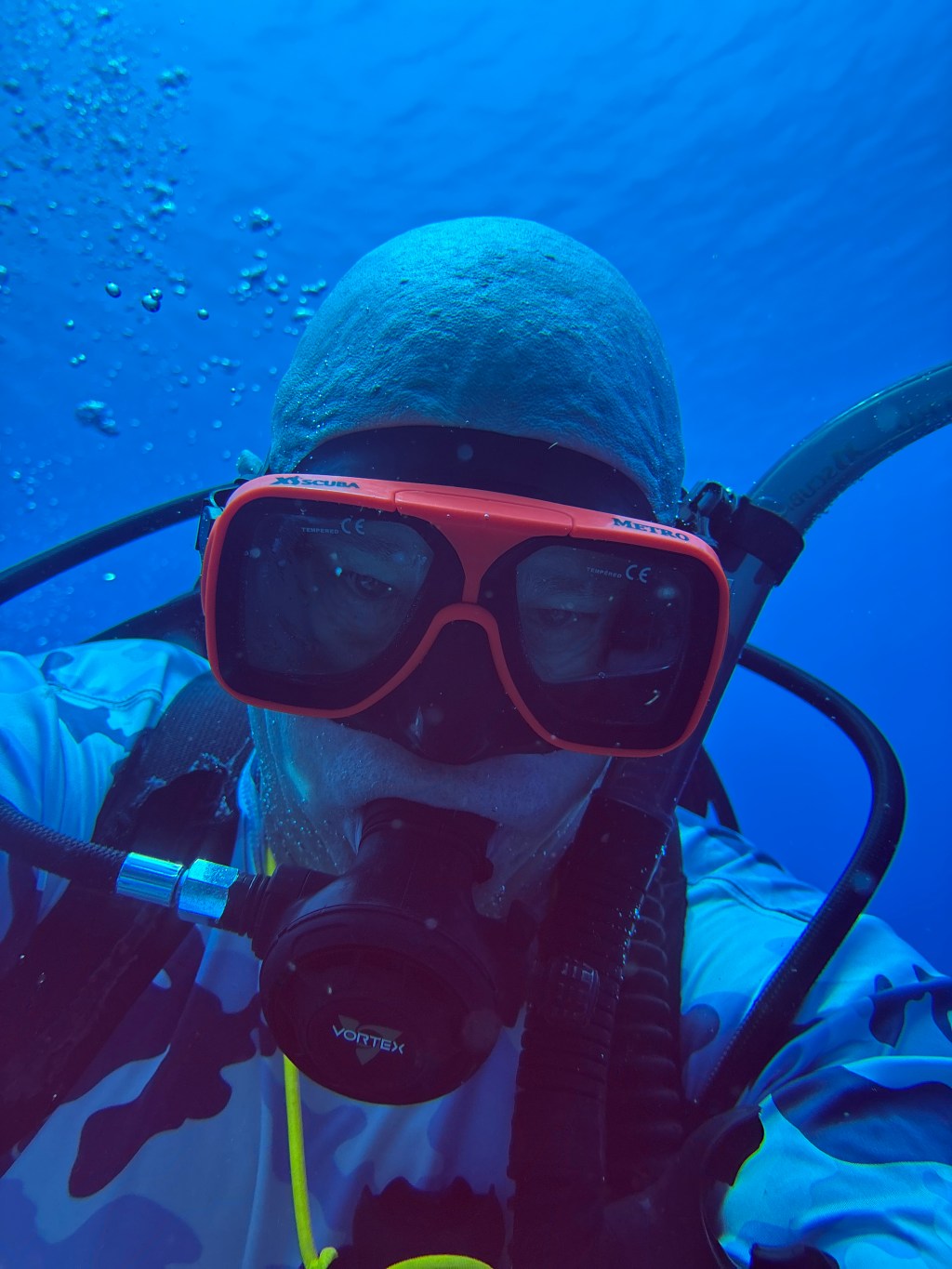
Scuba diving’s therapeutic potential lies in its unique combination of buoyancy, controlled movement, and sensory engagement. Drawing inspiration from Dr. Bessel van der Kolk’s insights in “The Body Keeps the Score,” scuba diving offers an immersive experience that may aid in the recovery journey by fostering a connection between mind and body.
Outdoor Activities and Nature’s Healing Power:
Bonnie Tsui’s exploration of how water heals aligns with the benefits of outdoor activities in TBI recovery. Exposure to nature and physical activity not only enhances cognitive function but also contributes to an overall sense of well-being. Wallace J. Nichols, in “Blue Mind,” delves into the positive impact of water on mental health, emphasizing the therapeutic potential of aquatic environments.
Motor Coordination Defects and TBI:
The challenges of motor coordination defects associated with TBI find a potential remedy in the controlled movements of scuba diving. As individuals navigate underwater environments, they engage in activities that promote spatial awareness and contribute to the gradual improvement of motor skills.
Conclusion:
In the intricate tapestry of TBI recovery, scuba diving and outdoor activities emerge as promising threads, weaving together insights from “Tribe” by Sebastian Junger, Bonnie Tsui’s reflections on water’s healing properties, and the compelling narrative of “Blue Mind” by Wallace J. Nichols. By embracing these therapeutic avenues, veterans with TBI can embark on a journey of rediscovery, finding solace and hope in the depths of healing waters.
References:
- Junger, S. (2016). Tribe: On Homecoming and Belonging.
- Tsui, B. (2019). Why We Swim.
- Nichols, W. J. (2014). Blue Mind: The Surprising Science That Shows How Being Near, In, On, or Under Water Can Make You Happier, Healthier, More Connected, and Better at What You Do.
- Centers for Disease Control and Prevention (CDC). Traumatic Brain Injury & Concussion. (https://www.cdc.gov/traumaticbraininjury/index.html)
- Defense and Veterans Brain Injury Center (DVBIC). (https://dvbic.dcoe.mil/)
- National Center for Biotechnology Information (NCBI). Traumatic Brain Injury in Veterans. (https://www.ncbi.nlm.nih.gov/pmc/articles/PMC6983985/)
- Veteran Suicide Prevention Annual Report, Department of Veterans Affairs, 2023
#vets #tbi #veteransaffairs #va TBIRecovery #PhysicalHealing #UnderwaterTherapy #CognitiveResilience #BalancingActs #SlowMotionTherapy #HealingWaters #EquilibriumJourney #NovelCognitiveChallenges #EmpowerThroughRecovery #scuba

 The Neptune Warrior
Leave a comment