
I‘ve been there. That feeling you don’t belong. You stand out. It’s lonely. It’s embarrassing at times. But its because I’ve been there I created Neptune Warrior, to give veterans a place to fit in.
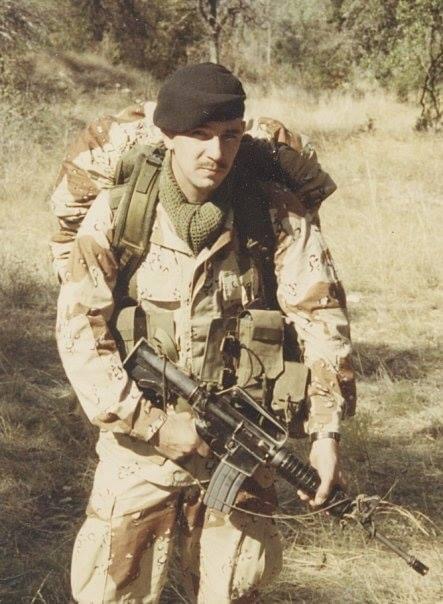
Returning to civilian life after military service can be a challenging transition for many veterans. They often face the sense of disconnection, feeling out of place, or unable to relate to civilians who haven’t experienced the same challenges. However, socialization, community, or finding their tribe can have a profoundly positive impact on veterans who experience these feelings of isolation.
1. Sense of Belonging:
- One of the most significant benefits of being part of a scuba diving community is the immediate sense of belonging it provides. Veterans who may feel disconnected from civilian life can find a shared sense of identity and belonging within a group of individuals who share their passion for diving.
2. Shared Experiences:
- Scuba diving communities are often comprised of individuals who understand the challenges and exhilaration of exploring the underwater world. Veterans can relate to fellow divers’ experiences, creating a bond through shared adventures.
3. Emotional Support:
- Within scuba diving communities, veterans can openly discuss their thoughts, feelings, and challenges with those who can empathize, creating a support network that extends beyond the dive itself.
4. Camaraderie and Trust:
- Scuba diving communities foster a deep sense of camaraderie and trust, much like the bonds formed during military service. This trust extends to the underwater environment, where individuals rely on each other for safety.
5. Shared Activities and Social Identifiers:
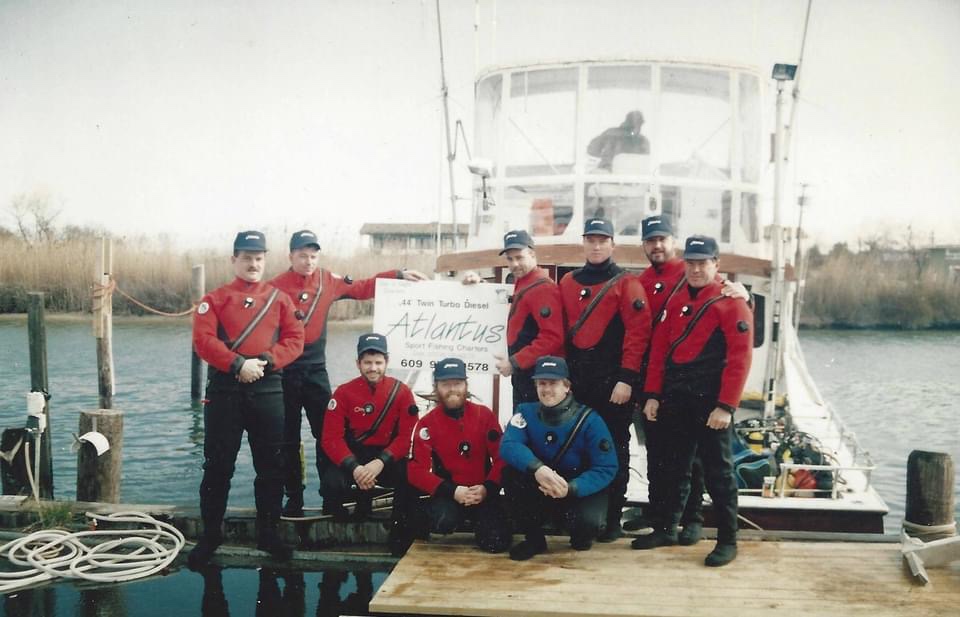
- Divers often have social identifiers, such as club jackets, shirts, or specific dive-related symbols that identify them with a particular sect of divers. These identifiers contribute to a sense of belonging, pride, and unity.
6. Special Gatherings and Events:
- Scuba diving communities frequently organize special gatherings, events, and diving excursions. These events serve as opportunities for veterans to come together, share stories, and strengthen their bonds.
7. Encouragement and Accountability:
- Being part of a diving community provides veterans with encouragement to set and achieve personal diving goals. These communities often foster accountability and provide opportunities for individuals to mentor one another.
8. Bridging the Gap with Civilians:
- Veterans who are part of a diving community are often better equipped to bridge the gap between military and civilian life. They can share their underwater experiences and knowledge with civilians, creating understanding and interest in diving.
9. Opportunities for Leadership:
- Many veterans who join scuba diving communities have leadership skills honed in the military. They can use these skills to help lead and mentor others within the diving community, reinforcing their sense of purpose and competence.
10. Advocacy and Resources:
- Scuba diving communities often have access to resources, including mental health support, job opportunities within the diving industry, and educational programs specifically designed to support veterans in their diving pursuits.
In conclusion, scuba diving communities provide a tribe for veterans, offering a shared sense of identity, camaraderie, and understanding that can significantly aid in their transition to civilian life. The use of social identifiers, special gatherings, and a shared passion for diving creates a unique and supportive environment where veterans can thrive both in their underwater adventures and their personal growth.

 The Neptune Warrior
Leave a comment