
I have had my share of thumps. There was a fellow EST teammate (think anti-terrorism team) kicking me in the face during CQB drills. There was the window ledge I was entering during a breach, there was the semi-controlled fall off the top of a Hummer during a training exercise, and then the hundreds of thumps of artillery, mortars, simulators, and other huge bangs that I have felt to my core. Yeah, my brain has been rattled a few times.
Understanding TBI
TBI encompasses a range of injuries resulting from blows to the head, accidents, or other traumatic incidents. The consequences can vary from mild concussions to severe, life-altering impairments. Symptoms may include headaches, memory loss, mood swings, and difficulties with concentration.
Statistics on Veterans with TBI
Veterans are particularly vulnerable to TBI, often associated with combat injuries and blast exposures. According to recent statistics, a significant number of veterans live with TBI-related challenges, highlighting the pressing need for effective therapeutic approaches.
The Role of Scuba Diving
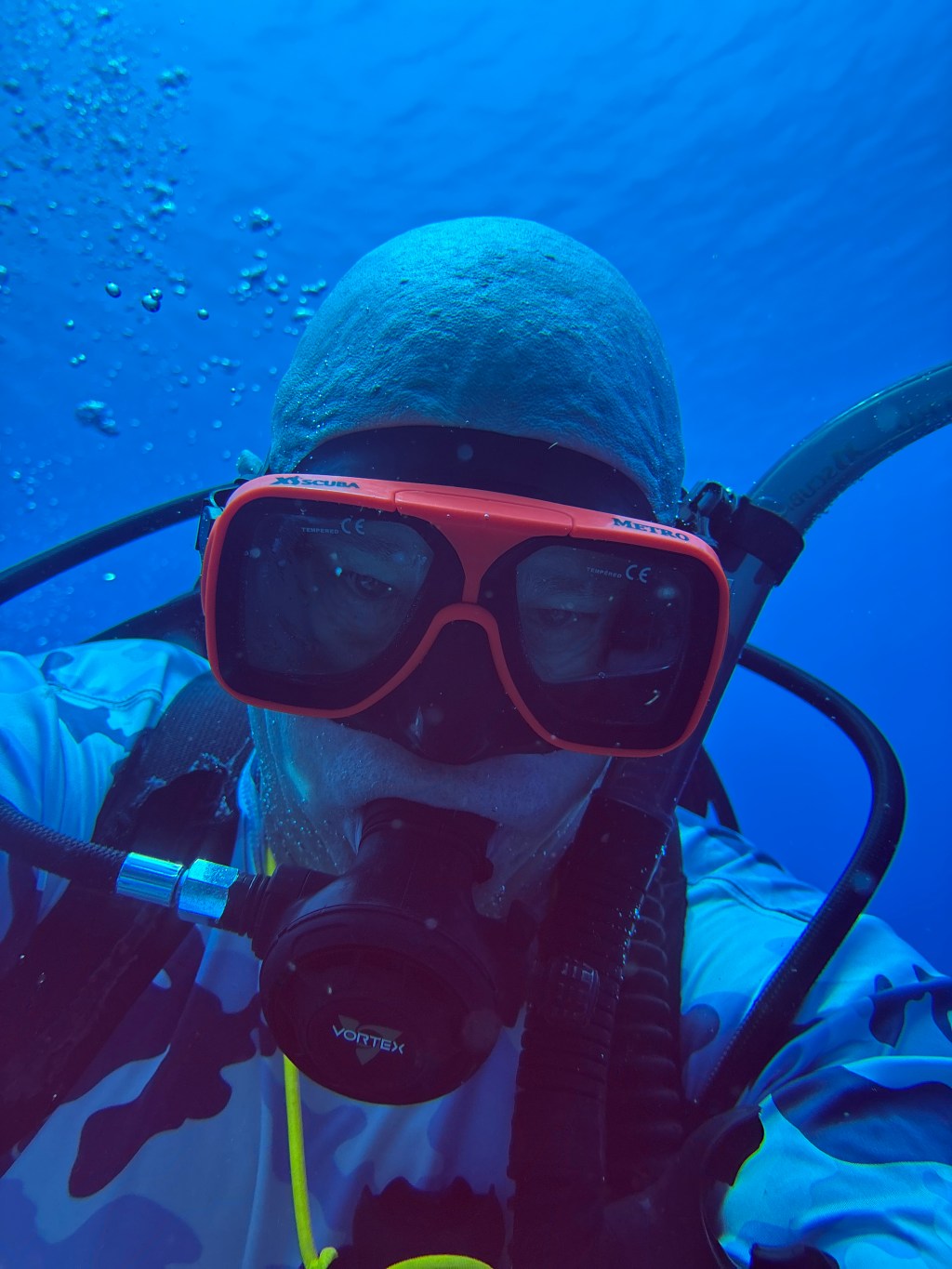
Scuba diving offers a unique therapeutic environment for individuals with TBI. The buoyancy and controlled movements underwater provide a supportive setting that minimizes the impact on joints and enhances sensory experiences. As Dr. Bessel van der Kolk notes in “The Body Keeps the Score,” such activities can facilitate healing by engaging the body in novel and positive ways.
Outdoor Activities and TBI Recovery
Engaging in outdoor activities promotes overall well-being for individuals with TBI. Exposure to nature and physical activity has been shown to reduce stress, improve mood, and enhance cognitive function. This aligns with Dr. van der Kolk’s emphasis on the importance of reconnecting with the body and the environment for healing.
Motor Coordination Defects and TBI
Many individuals with TBI experience motor coordination defects, impacting daily life. Scuba diving, with its focus on controlled movements and spatial awareness, can aid in addressing these challenges. Moreover, outdoor activities that involve coordinated movements contribute to the improvement of motor skills over time.
Suicide Rates and TBI
Regrettably, TBI is associated with an increased risk of suicide. It is crucial to address the mental health aspects of TBI and provide support. Engaging in activities like scuba diving and outdoor pursuits can offer therapeutic benefits by promoting a sense of purpose, community, and accomplishment.
Detection of TBI
Timely detection of TBI is vital for effective intervention. Diagnosis often involves a combination of clinical assessments, imaging studies, and observation of symptoms. Awareness of potential signs, such as persistent headaches, cognitive difficulties, and mood changes, is essential for early detection and intervention.
Conclusion
Scuba diving and outdoor activities play a valuable role in the multifaceted approach to TBI recovery. By understanding the unique benefits these activities offer, individuals, especially veterans, can embark on a journey of healing and rediscovery. As we navigate the complexities of TBI, it is essential to explore diverse therapeutic avenues, with nature and underwater exploration standing out as promising contributors to the healing process.
References:
- van der Kolk, B. A. (2014). The Body Keeps the Score: Brain, Mind, and Body in the Healing of Trauma.
- Centers for Disease Control and Prevention (CDC). Traumatic Brain Injury & Concussion. (https://www.cdc.gov/traumaticbraininjury/index.html)
- Defense and Veterans Brain Injury Center (DVBIC). (https://dvbic.dcoe.mil/)
- National Center for Biotechnology Information (NCBI). Traumatic Brain Injury in Veterans. (https://www.ncbi.nlm.nih.gov/pmc/articles/PMC6983985/)

 The Neptune Warrior
Leave a comment