

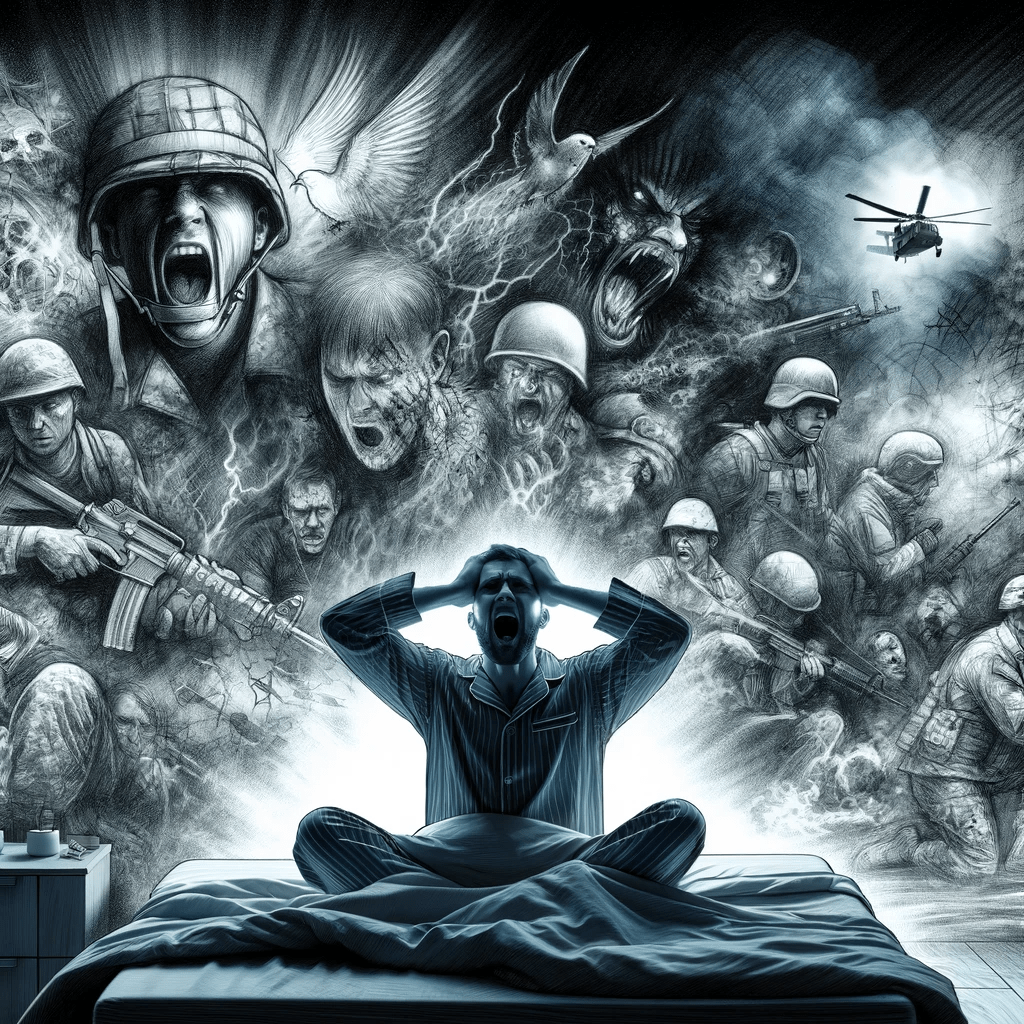
For years, night terrors were an unwelcome companion, haunting my sleep three to six nights a week. The sensation of waking up in the dark, disoriented and soaked in sweat, brought with it a profound sense of fear. It was a reality I desperately wanted to escape. Little did I know, the solution to my nightly torment would come in an unexpected form: scuba diving.
As I embarked on this journey of self-discovery, I found solace beneath the waves. The fear of the unknown that once gripped me in the dead of night began to dissipate with each dive. Now, the unsettling episodes that used to plague me have reduced to a mere once a week or, on better weeks, just three times a month.
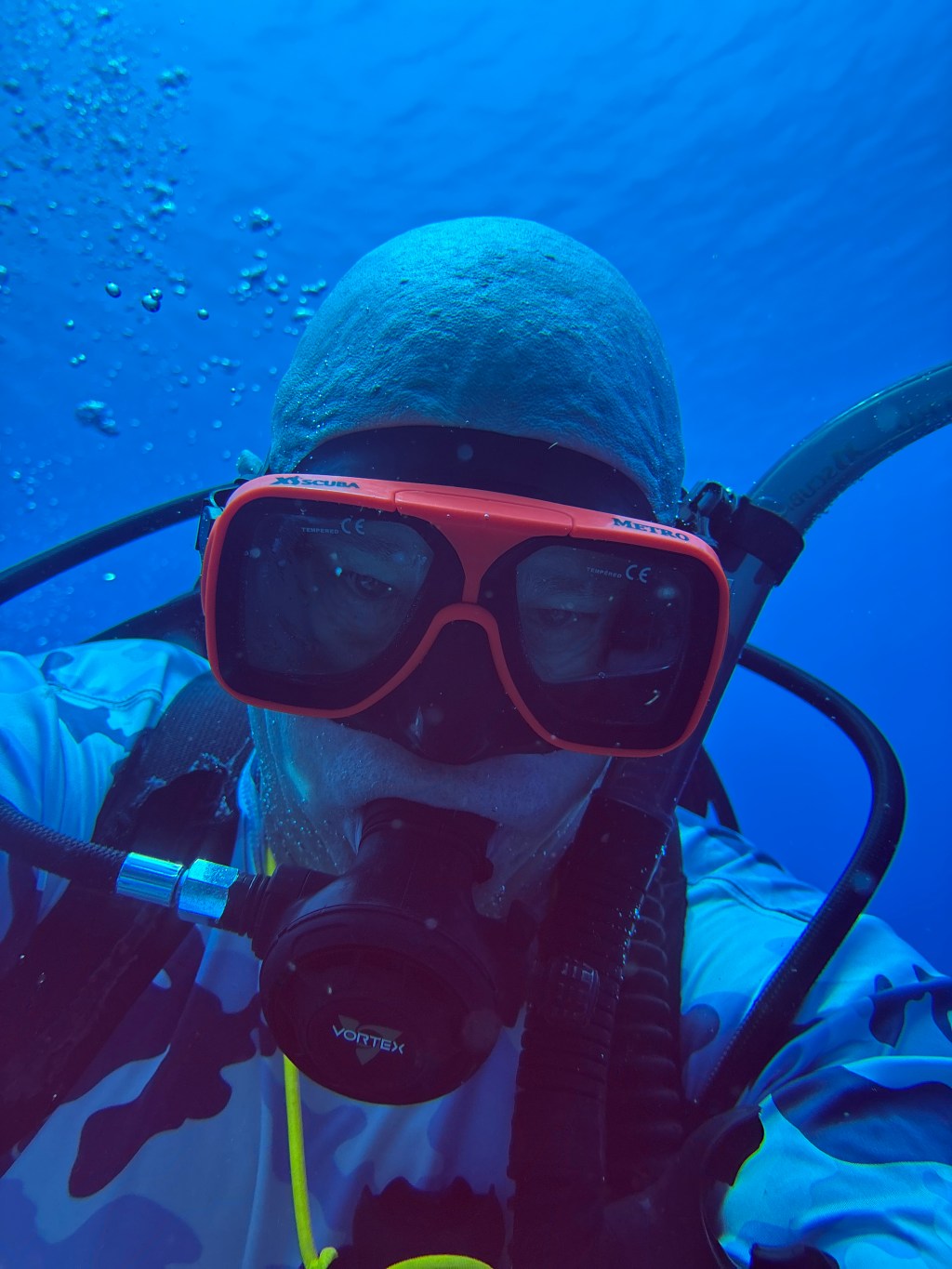
When the night terror strikes, I’ve developed a ritual that has become my lifeline. Instead of succumbing to the paralyzing fear, I reach for my dive gear without hesitation. There’s a certain comfort in the familiar weight of the equipment, a sense of control that eluded me in the midst of nocturnal chaos.
I make my way to the pool, a sanctuary that has become my own personal haven. The water, once a source of uncertainty in the dark hours, now cradles me in its cool embrace. As I descend into the pool, the anxieties that accompany the night terror gradually fade away. The rhythmic sound of my breath through the regulator becomes a soothing mantra, drowning out the echoes of fear that once reverberated through my mind.
This self-prescribed immersion therapy has proven to be a game-changer. The underwater world has become my refuge, a place where the demons of the night lose their power. With each session, I find myself gaining more control over the once uncontrollable aspects of my subconscious.
Scuba diving has become more than just a hobby; it’s a lifeline, a means of reclaiming my nights from the clutches of terror. The pool, once a potential source of dread, is now a realm of healing and empowerment. Through the depths of the water, I’ve discovered a resilience within myself that I never knew existed.
As I continue to navigate the waters of my subconscious, I am grateful for the transformative power of scuba diving. It has not only granted me peaceful nights but has also opened up a world of self-discovery and courage. In the embrace of the underwater realm, I’ve found a strength that transcends the darkness, allowing me to confront my fears head-on and emerge victorious, one dive at a time.
What Are Night Terrors?
Night terrors, a harrowing phenomenon that disrupts the tranquility of sleep, are a unique and often misunderstood sleep disorder. Unlike nightmares, which typically occur during REM (Rapid Eye Movement) sleep and are often vividly recalled, night terrors unfold during non-REM sleep, making them less accessible to conscious awareness.
Night terrors manifest as sudden episodes of intense fear, often accompanied by physical symptoms such as rapid heart rate, sweating, and sometimes even sleepwalking. These episodes usually last for a few minutes but can leave a lasting impact on the individual’s well-being.
Causes of Night Terrors: Peering into the Abyss
The exact causes of night terrors remain elusive, but various factors have been identified as potential contributors. These include:
- Genetic Predisposition: Family history plays a role, with a higher likelihood of experiencing night terrors if a close relative has a history of similar episodes.
- Sleep Deprivation and Fatigue: Lack of adequate sleep or irregular sleep patterns can increase the susceptibility to night terrors.
- Stress and Anxiety: Emotional stressors and anxiety disorders have been linked to the occurrence of night terrors, highlighting the intricate connection between mental well-being and sleep disturbances.
- Medications: Certain medications, particularly those that influence the central nervous system, may trigger night terrors as a side effect.
- Sleep Environment Disruptions: Abrupt changes in sleep environment or disruptions in sleep routines can also contribute to the onset of night terrors.
Impacts on Daily Life: Navigating the Aftermath
The consequences of night terrors extend beyond the realm of sleep, impacting various facets of an individual’s life:
- Daytime Fatigue: The intense and disruptive nature of night terrors can lead to disturbed sleep patterns, resulting in daytime fatigue and diminished cognitive function.
- Impact on Relationships: For those who share a sleeping space, the loud vocalizations and movements associated with night terrors can strain relationships, leading to shared sleep disturbances.
- Emotional Toll: The fear and confusion experienced during night terrors can leave individuals emotionally drained, contributing to heightened anxiety and stress levels.
In navigating the complexities of night terrors, seeking professional guidance is crucial. Sleep specialists, psychologists, and medical professionals can offer tailored interventions, ranging from cognitive-behavioral therapy to pharmacological solutions.
Scuba diving, an activity typically associated with underwater exploration and adventure, has emerged as an unconventional yet effective intervention in reducing the frequency and intensity of night terrors. While not a universally prescribed solution, the therapeutic benefits of scuba diving can be understood through both medical and psychological lenses.
1. Immersion Therapy:
The immersive nature of scuba diving provides a unique therapeutic environment. Immersion therapy involves exposing individuals to stimuli related to their fears in a controlled and supportive setting. The underwater realm serves as a canvas for confronting and managing anxieties associated with night terrors.
2. Relaxation Response:
Scuba diving induces a relaxation response characterized by slowed breathing and a focus on the present moment. This mirrors relaxation techniques often recommended for managing stress and anxiety. The controlled, rhythmic breathing required during diving can have a positive impact on overall sleep quality.
3. Sense of Control:
Night terrors often evoke a sense of helplessness. Scuba diving, with its emphasis on training, equipment familiarity, and controlled descent, offers individuals a sense of mastery and control. This empowerment may carry over into the subconscious, mitigating the feelings of vulnerability associated with night terrors.
4. Stress Reduction and Mindfulness:
Underwater environments, with their serene beauty and captivating marine life, promote a sense of mindfulness. Engaging in scuba diving encourages individuals to focus on the present moment, diverting attention away from anxious thoughts that may contribute to night terrors. The reduction of stress, both mental and physical, is a key element in managing sleep disturbances.
5. Sleep Hygiene and Routine:
Regular scuba diving sessions may contribute to improved sleep hygiene and routine. Establishing a consistent pre-sleep ritual, such as preparing for a dive, can signal to the body and mind that it’s time to unwind, fostering better sleep patterns.
#AquaticTherapy #CBT #HealingJourneyss #PostTraumaticGuilt #Mindfulness #WaterTherapy #scuba #veterans #A10 #USAF #germany
References:
- Strodl, E., & Kenardy, J. (2006). The relationship between sleep disturbance and psychological outcomes for burn-injured individuals. Burns, 32(2), 147–152.
- Beidel, D. C., Turner, S. M., & Cooley, M. R. (1994). Assessment of childhood social phobia: Construct, convergent, and discriminative validity of the Social Phobia and Anxiety Inventory for Children (SPAI-C). Psychological Assessment, 6(2), 195–200.
- Grief, G. L., & Pickett, T. C. (2005). The underwater environment: A potential stressor in scuba diving. Anxiety, Stress & Coping, 18(4), 369–380.
- Morgan, W. P. (1985). Affective beneficence of vigorous physical activity. Medicine and Science in Sports and Exercise, 17(1), 94–100.
- American Academy of Sleep Medicine. (2014). International Classification of Sleep Disorders – Third Edition (ICSD-3). Darien, IL: American Academy of Sleep Medicine.
- American Psychiatric Association. (2013). Diagnostic and Statistical Manual of Mental Disorders (5th ed.). Arlington, VA: American Psychiatric Publishing.
- Walker, M. (2017). Why We Sleep: Unlocking the Power of Sleep and Dreams. Scribner.
#scuba #veterans #nightterror

 The Neptune Warrior
Leave a comment