

I want to take some time and do an in-depth exploration of emotional intelligence (EQ) and its profound impact on the scuba diving community, not only scrutinize the fundamental components of emotional intelligence but also delve into modern theories, real-world examples, and the myriad advantages it bestows upon individuals and communities alike. So, grab your gear for a comprehensive deep dive into the ocean of emotions.
Understanding Emotional Intelligence in the Modern Context
Emotional intelligence, as conceptualized by psychologists like Daniel Goleman, encompasses five key components: self-awareness, self-regulation, motivation, empathy, and social skills. Modern perspectives on EQ have evolved to incorporate neuroscientific insights, offering a deeper understanding of the physiological and psychological underpinnings of emotional intelligence.
Self-Awareness Below Sea Level: A Neuroscientific Perspective
Modern theories of emotional intelligence highlight the intricate relationship between emotions and the brain. Pioneering neuroscientists such as Antonio Damasio propose that emotions are not solely psychological experiences but involve complex interactions between brain processes and bodily responses. In the context of scuba diving, self-awareness goes beyond recognizing emotions; it involves an acute awareness of the physical sensations associated with those emotions, creating a more nuanced and holistic understanding.
Regulating Emotions in Uncharted Waters: The Chemical Symphony
The regulation of emotions is akin to conducting a chemical symphony within our bodies. Consider the surge of excitement before a dive – this is often linked to a release of dopamine. Conversely, managing fear involves the regulation of cortisol levels. Armed with this knowledge, scuba divers can employ practical strategies such as mindfulness and controlled breathing to regulate their emotional chemistry, ensuring a calmer and more controlled dive experience.
Empathy in the Dive Buddy System: Mirror Neurons and Connection
Empathy, a pivotal component of emotional intelligence, is closely tied to the concept of mirror neurons. These neurons fire both when we experience an emotion and when we witness someone else experiencing it. In the dive buddy system, where communication is often non-verbal, understanding your partner’s emotions becomes a powerful tool for establishing connection and trust. Modern theories emphasize that empathy extends beyond mere understanding to actively sharing emotional experiences, fostering a sense of camaraderie among divers.
Building Social Bonds Above the Surface: The Neuroscience of Connection
Social skills, a critical aspect of emotional intelligence, find roots in the neuroscience of human connection. Oxytocin, often referred to as the “love hormone,” is released during positive social interactions. Effective communication and teamwork on the dive boat trigger oxytocin release, fostering a sense of camaraderie and strengthening the bonds among divers. This neurochemical foundation underlines the importance of emotional intelligence not only in individual experiences but also in shaping the collective dynamics of the diving community.
Advantages of Emotional Intelligence in the Scuba Diving Community
The advantages of cultivating emotional intelligence within the scuba diving community are manifold. Beyond personal well-being and safety, a community with high emotional intelligence becomes a breeding ground for positive experiences, collaboration, and growth. Divers equipped with strong emotional intelligence are better prepared to navigate the unpredictable nature of the underwater world, fostering an environment where learning, resilience, and cooperation thrive.
EQ and Communication: A Symbiotic Relationship
One of the most significant advantages of emotional intelligence is its role in enhancing communication. EQ makes us not just better communicators but also better listeners and interpreters of non-verbal cues. Understanding and managing our own emotions allows us to express ourselves more clearly, while empathy enables us to comprehend the perspectives and emotions of others. Scuba divers with high emotional intelligence navigate the intricate dance of communication underwater seamlessly, ensuring that safety protocols are understood, experiences are shared, and the overall dive is a collaborative endeavor.
Conclusion: The Ripple Effect of Emotional Intelligence
As we resurface from this comprehensive exploration of emotional intelligence in the scuba diving community, it is evident that modern theories have enriched our understanding of emotions and their impact. From self-awareness to social skills, each component contributes to the safety, connection, and joy that define the diving experience. Emotional intelligence, with its neuroscientific foundation, creates ripples of positivity and unity not only within the individual diver but across the entire community.
In closing, let us continue to dive not only into the depths of the ocean but also into the realms of emotional intelligence, where understanding and navigating emotions contribute to a richer, more fulfilling diving experience.
References:
- Goleman, D. (1995). Emotional Intelligence: Why It Can Matter More Than IQ.
- Damasio, A. R. (1994). Descartes’ Error: Emotion, Reason, and the Human Brain.
- Zak, P. J. (2004). The neurobiology of trust. Scientific American, 291(5), 72-79.
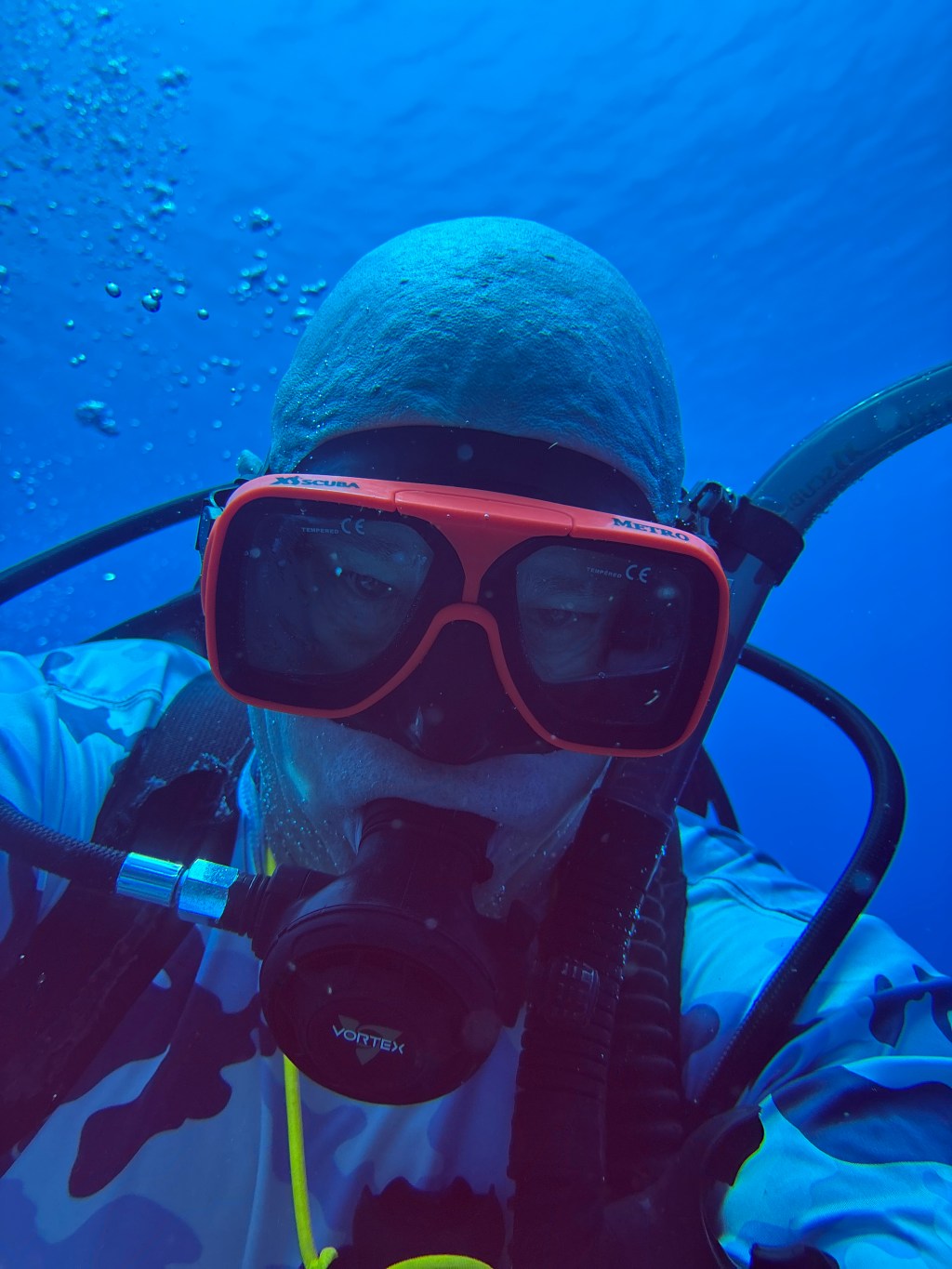


 The Neptune Warrior
Leave a comment