

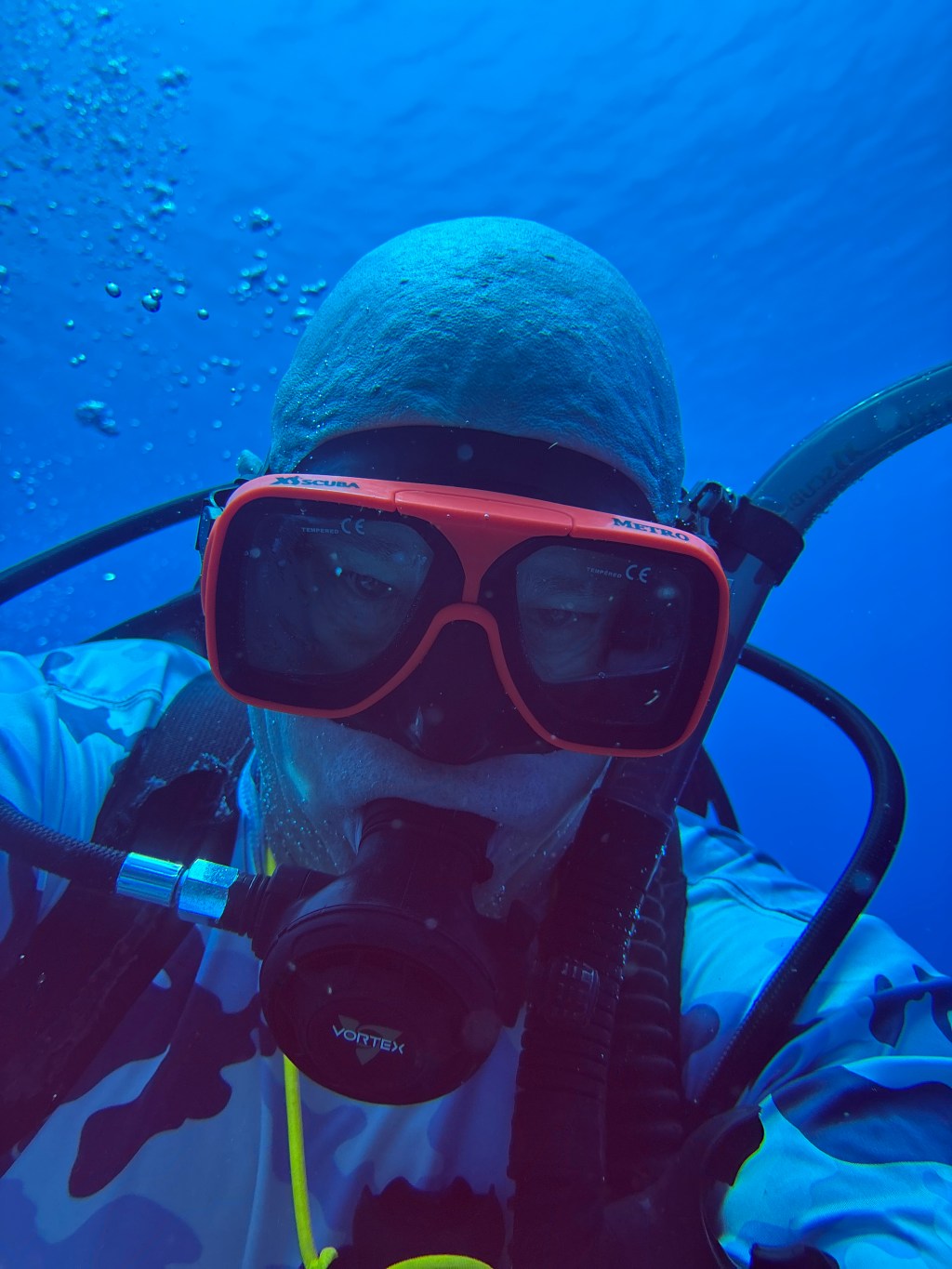
December 8 sucks for me. Its the anniversary of my index event. You can look through the other blog posts to learn more if interested. If not it, just understand its a day I feel whether I look at a calendar or not. It used to mark the day I started hating Christmas but I have healed and instead of a season its now down to a few days or so. I have to work through the rest of the holidays but now it’s manageable largely due to my time in water.
Post-traumatic guilt can be a challenging aspect of recovering from traumatic experiences, often fueled by cognitive biases. In this blog post, we’ll explore how aquatic activities, coupled with cognitive-behavioral therapy (CBT) techniques, can provide a unique and effective path towards healing.
Understanding Cognitive Biases in Post-Traumatic Guilt:
Cognitive biases contribute significantly to post-traumatic guilt. The CBT worksheet delves into common biases like overgeneralization, personalization, and black-and-white thinking. Recognizing these patterns is crucial for effective healing.
Aquatic Activities as Therapeutic Tools:
Aquatic activities offer a therapeutic environment that can complement traditional therapeutic approaches. The soothing properties of water and the immersive nature of aquatic activities create a conducive atmosphere for individuals dealing with trauma.
Buoyancy and Emotional Release:
The buoyancy of water provides a unique physical experience that can mirror emotional release. Floating in water allows individuals to feel supported and weightless, potentially easing the emotional burdens associated with guilt.
Water as a Symbol of Cleansing:
Across cultures, water is often seen as a symbol of cleansing and renewal. Engaging in aquatic activities can serve as a metaphorical cleansing process, helping individuals let go of guilt and embrace a sense of renewal.
Mindfulness in Motion:
Aquatic activities inherently encourage mindfulness. Whether it’s swimming, kayaking, or simply floating, the rhythmic and repetitive nature of these activities promotes a meditative state, allowing individuals to focus on the present moment and break free from guilt-inducing thoughts.
Building Trust Through Water-Based Therapy:
Trauma can erode trust, both in oneself and others. Participating in aquatic activities, especially those involving teamwork or therapeutic exercises, can help rebuild trust by fostering a sense of connection and cooperation.
Progressive Exposure in a Controlled Environment:
Aquatic activities allow for progressive exposure to the water in a controlled and safe environment. This controlled exposure aligns with CBT principles, gradually desensitizing individuals to triggers associated with their traumatic experiences.
Community and Support:
Joining aquatic activity groups provides a sense of community and support. Sharing experiences with others who may have faced similar challenges can reduce feelings of isolation and contribute to the healing process.
Conclusion:
In the intersection of aquatic activities and cognitive-behavioral therapy, individuals can find a holistic approach to addressing post-traumatic guilt. By understanding and challenging cognitive biases while engaging in therapeutic water-based activities, individuals may discover a transformative journey toward healing.
References:
- Monson, C. M., Gradus, J. L., Young-Xu, Y., Schnurr, P. P., Price, J. L., & Schumm, J. A. (2008). Change in posttraumatic stress disorder symptoms: Do clinicians and patients agree? Psychological Assessment, 20(2), 131–138.
- Resick, P. A., Monson, C. M., & Chard, K. M. (2016). Cognitive processing therapy for PTSD: A comprehensive manual. Guilford Publications.
#AquaticTherapy #CBT #HealingJourneyss #PostTraumaticGuilt #Mindfulness #WaterTherapy #scuba #veterans #A10 #USAF #germany

 The Neptune Warrior
Leave a comment