
I grew up around boats. If asked I would have responded I’m in the upper 95% of safe boaters. I was 100% sure my boat would pass a safety inspection.
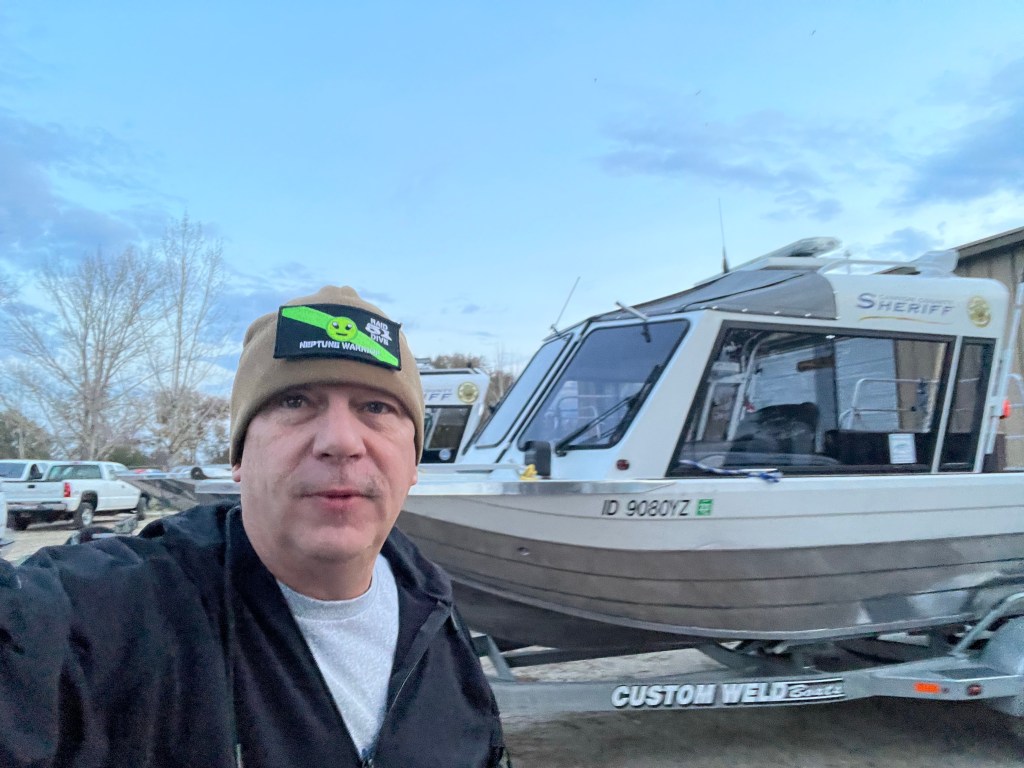
I was dead wrong. I have habits that not only were wrong but violated law. My boat, Discovery would have failed a safety inspection.
Click here for the podcast of this blog! https://shows.acast.com/one-dive-at-a-time/episodes/episode-99-boater-safety-course
Giving up a Saturday to go through the Idaho Boater Safety Course was a decision I made not because of a legal requirement, in fact its not required in Idaho, but one I did to first learn more about being a better boater, but second as a prep for my USCG 6-Pack license. The course was facilitated by the Canyon County Marine Patrol and by far one of the best experiences I have had as I have been working towards my license.
Embarking on the waters of Idaho demands a profound understanding of boater safety. In this comprehensive guide, we’ll delve into critical components of USCG boater safety, covering navigation aids, boater safety laws, lights on vessels, types and statistics of boating accidents, and an exploration of cold water immersions.
- Navigation Aids on the Water:
Navigating Idaho’s diverse water bodies demands a keen understanding of different navigation aids. These aids play a crucial role in ensuring safe passage. Sergeant Roberts of the Marine Patrol set up a mock area inside the boat shop bay for us to practice and familiarize ourselves with the different kinds of navigation aids. As we “boated” around the bay I expanded my knowledge and awareness of the different types of aids.
- Types of Navigation Buoys:
- Red and Green Buoys: Indicating the sides of channels or the entrance to a channel, these buoys are essential for maintaining the correct course.
- Can Buoys: Painted green and conical in shape, these mark the port (left) side of a channel when moving upstream.
- Nun Buoys: Painted red and can-shaped, these mark the starboard (right) side of a channel when moving upstream.
- Beacons and Lights:
- Fixed Beacons: Provide a steady light and are often used to mark well-defined channels.
- Flashlights: Emit rhythmic flashes and are common on buoys and structures.
- Sector Lights: Display different colors to indicate safe sectors, directing boaters away from hazards.
- Boater Safety Laws:
Adhering to boater safety laws is both a legal obligation and a commitment to personal safety. Understanding and complying with regulations related to life jackets, speed limits, and operating under the influence is crucial. In Idaho, strict adherence to these laws is essential for fostering a safe boating environment. Before I even hit the water, I learn I’m in violation with my trailer chains.
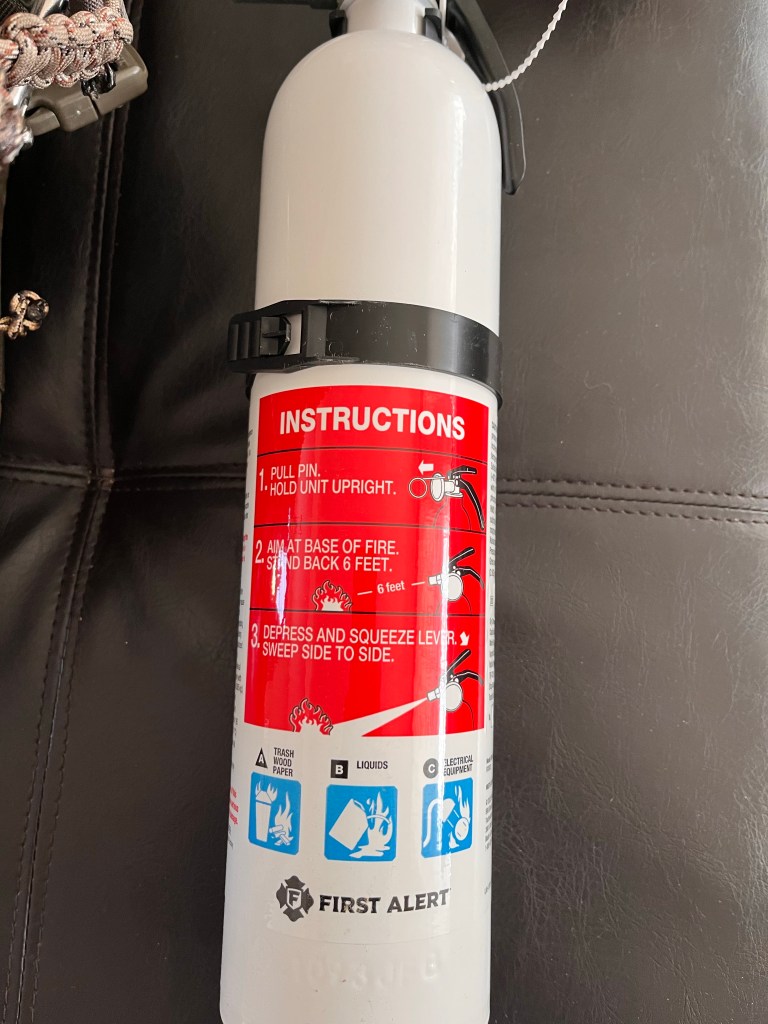
- Life Jackets: Ensure that life jackets are not only present on board but are appropriately sized and easily accessible for each passenger. Familiarize yourself with Idaho’s specific life jacket regulations. I was missing a throw buoy for Discovery.
- Speed Limits: Abide by designated speed limits, especially in congested areas or near docks. Maintain a safe speed to prevent accidents and ensure the well-being of everyone on board.
- Operating Under the Influence (OUI): Never operate a vessel under the influence of alcohol or drugs. Idaho, like many other states, has strict regulations governing OUI, with severe penalties for non-compliance.
- Lights on Vessels:
Understanding the lights displayed on vessels is crucial for nighttime navigation. Different lights convey specific information about a vessel’s status and movements.
- Navigation Lights:
- Red and Green Lights: Indicate the port (left) and starboard (right) sides of a vessel, respectively. When seen together, they help determine the direction in which the vessel is moving.
- Stern (White) Light: Visible from behind, this light signifies that the vessel is underway. I found mine was too short on Discovery.
- Masthead (White) Light: Visible from the front and sides, this light indicates the presence of a power-driven vessel.
- Anchor Lights:
- All-Round White Light: Displayed when a vessel is at anchor, helping others recognize its stationary status.
- Types and Statistics of Boating Accidents:
Understanding the types and statistics of boating accidents provides valuable insights into potential risks and reinforces the importance of safety measures.
- Collisions, Capsizing, and Swamping: Accidents involving collisions with other vessels, capsizing, or swamping due to factors like adverse weather conditions, overloading, or sudden maneuvers are unfortunately common.
- Falls Overboard: Accidents involving passengers falling overboard can lead to serious consequences, especially in cold water. Life jackets, proper seating, and maintaining a sober and stable environment can significantly reduce the likelihood of such incidents. We saw a great example of why a kill switch is required and really glad my nee motor has one.
- Groundings and Drowning: Running aground and drowning are significant risks. Understanding local charts, navigation aids, and maintaining a safe speed can help prevent groundings.
- Statistics: According to the U.S. Coast Guard, leading contributing factors to boating accidents include operator inattention, improper lookout, operator inexperience, excessive speed, and alcohol use. There has been an increase in accidents involving paddlecraft in recent years.
- Cold Water Immersions and Dr. Gordon Giesbrecht:
Cold water immersions pose unique risks, even in warmer climates. Dr. Gordon Giesbrecht, widely known as “Professor Popsicle,” is a renowned expert in cold water survival. His studies emphasize the importance of proper gear, like insulated clothing and life jackets, to prevent heat loss and mitigate the risks associated with cold water exposure.
- 1-10-1 Rule: Dr. Giesbrecht’s research highlights the 1-10-1 rule: 1 minute to control breathing, 10 minutes of meaningful movement, and 1 hour before the onset of hypothermia. This rule underscores the critical importance of quick action in cold water situations.
- Facts about Hypothermia: Understanding hypothermia is crucial. Cold water can rapidly draw body heat, leading to a dangerous drop in core temperature. Recognizing early signs, such as shivering and confusion, is vital for prompt intervention.
- Conclusion:
Navigating Idaho’s waters is a rewarding experience, but safety must remain the top priority. By comprehending the nuances of navigation aids, adhering to boater safety laws, understanding the language of vessel lights, being aware of the types and statistics of boating accidents, and acknowledging the risks of cold water immersions, individuals can navigate these waters with confidence. Embrace the adventure responsibly, ensuring that every outing is not only thrilling but also a safe and enjoyable experience for all. Remember, preparation and knowledge are the keys to a successful and secure journey on Idaho’s captivating waterways.
References:
- U.S. Coast Guard Boating Safety Division. (https://www.uscgboating.org/)
- National Safe Boating Council. (https://www.safeboatingcouncil.org/)
- Giesbrecht, G. G. (2006). Cold stress, near drowning and accidental hypothermia: A review. Aviation, Space, and Environmental Medicine, 77(2), 124–135. (https://pubmed.ncbi.nlm.nih.gov/16509229/)
SafeBoatingGuide #IdahoWatersSafety #BoaterEducation #MarinePatrolExcellence #WaterSafetyTips #CanyonCountyMarinePatrol #BoaterSafetyLaws #NavigationAids #BoatingAdventures #ColdWaterAwareness #ProfessorPopsicleInsights #RealLifeBoating #PrepareNavigateEnjoy

 The Neptune Warrior
Leave a comment