
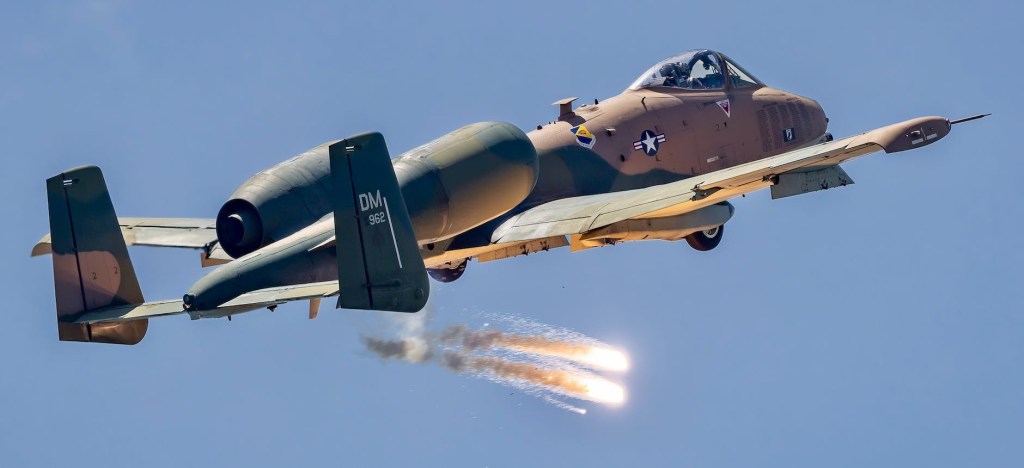
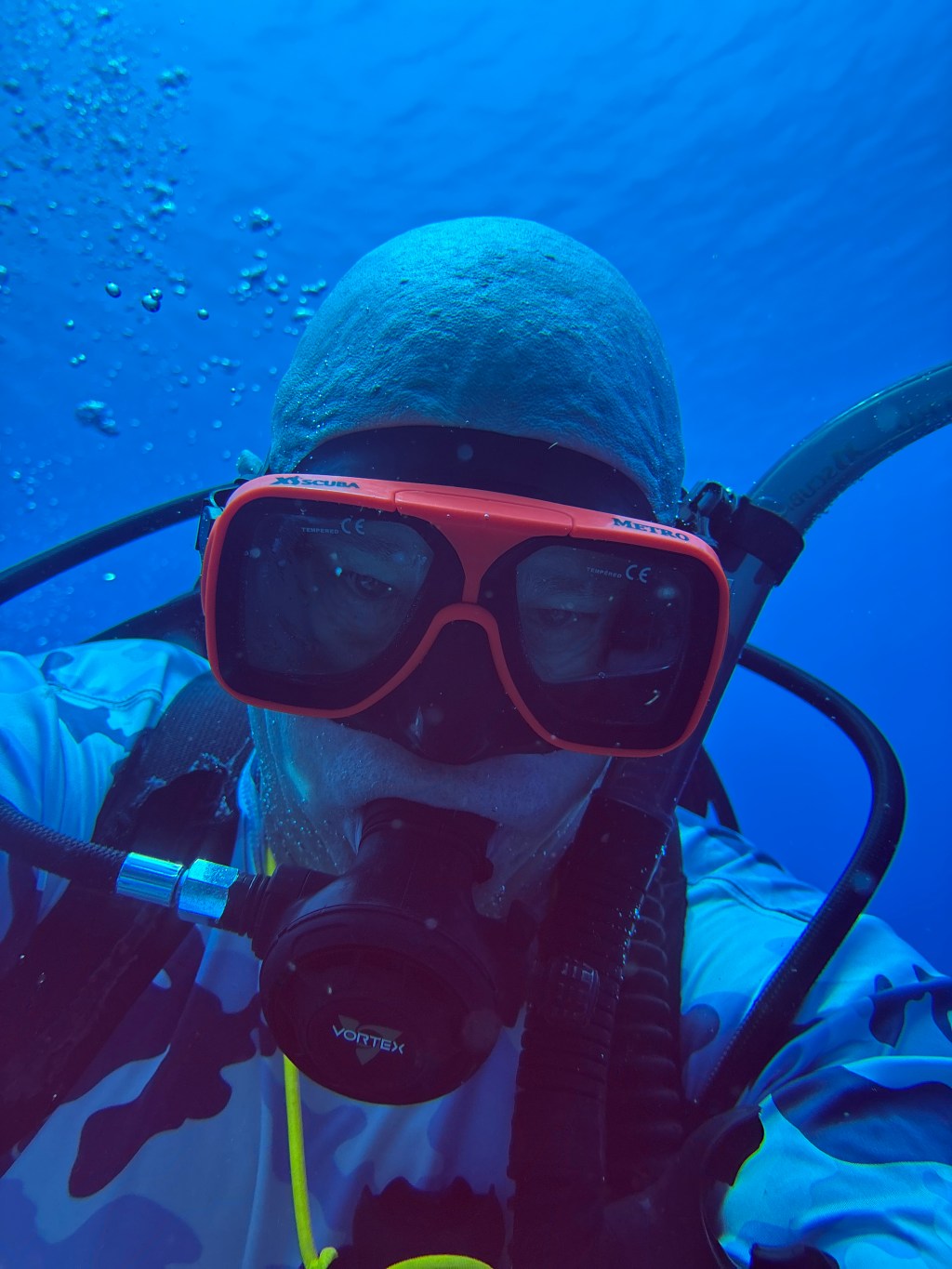
December 8 had always been a tough day for me. It’s a day that had always made the holiday season tough. Often I talk about how scuba is healing however in this case I’m sharing a bit of why I desperately needed healing and maybe that will give some insight as to why diving is so important for me.
Remsheid was where it began for me. That is my ground zero. Its where I lost my innocence. There are other events, death, life changing accidents, witnessing sorrow, and so on but Remsheid is where I got screwed ip for the rest of my life. Everything else after was just a dog pile.
On December 8, 1988, a routine mission turned tragic when a U.S. Air Force A-10 Thunderbolt II crashed into a Remscheid, West Germany residential area. Straying off course, the aircraft slammed into an apartment complex, claiming six lives, including the pilot, and leaving fifty others injured. The incident shattered the city’s tranquility, as the community grappled with the unforeseen intersection of military activity and civilian life. Emergency services swiftly responded, but the scars, both physical and emotional, lingered. This tragic event underscores the importance of stringent safety measures in military operations and the enduring impact on communities caught in the crossfire. The Remscheid A-10 crash remains etched in history as a somber reminder of the unpredictable consequences that can arise, even far from the battlefield.
I remember combing the crash site and picking up remains of the pilot, parts of the plane including munitions, personal effects of residents, and any classified components or information. I will never forget the smell of soot, aircraft fuel and death that lingered in the air, stuck to our clothing, and permeated our skin. I remember Christmas presents and holiday cheer scattered among the carnage. Christmas and the yule tide season has never been the same.
When we think of trauma among veterans, the immediate association is often with combat experiences. However, the impact of non-combat trauma on military personnel is a significant, yet sometimes overlooked, aspect. In this blog post, we explore non-combat trauma, shedding light on the diverse range of experiences that can affect the well-being of those who serve.
Defining Non-Combat Trauma:
Non-combat trauma encompasses a variety of distressing experiences that military personnel may encounter during their service, excluding direct involvement in armed conflict. These incidents can leave lasting emotional and psychological scars, affecting individuals long after their time in the military has ended.
Examples of Non-Combat Trauma:
- Sexual Assault:
Unfortunately, sexual assault within the military is a harsh reality. Both men and women may experience sexual trauma, and the aftermath often involves a profound impact on mental health. Addressing this issue is crucial for creating a safer and more supportive environment for service members. - Training Accidents:
Military training involves rigorous exercises that, at times, can result in accidents. These incidents, ranging from equipment malfunctions to parachute failures, can lead to serious injuries or even fatalities, causing lasting psychological trauma among survivors. - Bullying and Hazing:
Instances of bullying and hazing can occur within military units, creating an unhealthy and hostile environment. Such interpersonal trauma can have lasting effects on an individual’s mental well-being, affecting their sense of trust and safety. - Humanitarian and Disaster Relief Missions:
Service members engaged in humanitarian efforts or disaster relief missions may witness and experience traumatic events unrelated to combat. The devastation and human suffering encountered during these missions can leave a lasting emotional impact. - Deployment Strain:
Deployments, even without direct combat engagement, can lead to significant stress. Separation from family, uncertainty, and the constant threat of danger in a foreign environment contribute to the overall burden on mental health.
Addressing Non-Combat Trauma:
Acknowledging and addressing non-combat trauma is crucial for supporting the holistic well-being of military personnel. This involves implementing preventive measures, creating a culture that encourages seeking help, and providing accessible mental health resources for those affected.
Conclusion:
As we strive to understand and support the mental health of veterans, recognizing the diverse sources of trauma, including non-combat experiences, is essential. By shedding light on these often-overlooked aspects, we can work towards creating more comprehensive and effective support systems such as Neptune Warrior for those who have served.
#AquaticTherapy #CBT #HealingJourneyss #PostTraumaticGuilt #Mindfulness #WaterTherapy #scuba #veterans #A10 #USAF #germany
References:
- U.S. Department of Veterans Affairs. (Accessed 2023). Military Sexual Trauma (MST). [Insert URL]
- Maguen, S., & Litz, B. T. (2012). Moral injury in veterans of war. PTSD Research Quarterly, 23(1), 1-6. [Insert DOI or URL]


 The Neptune Warrior
Leave a comment