

In an earlier post I talked about my own self soothing methods for dealing with night terrors and how that has significantly reduced the frequency and impact. Based on feedback through the website and on my podcast I wanted to share a few more ideas and why it helps me.
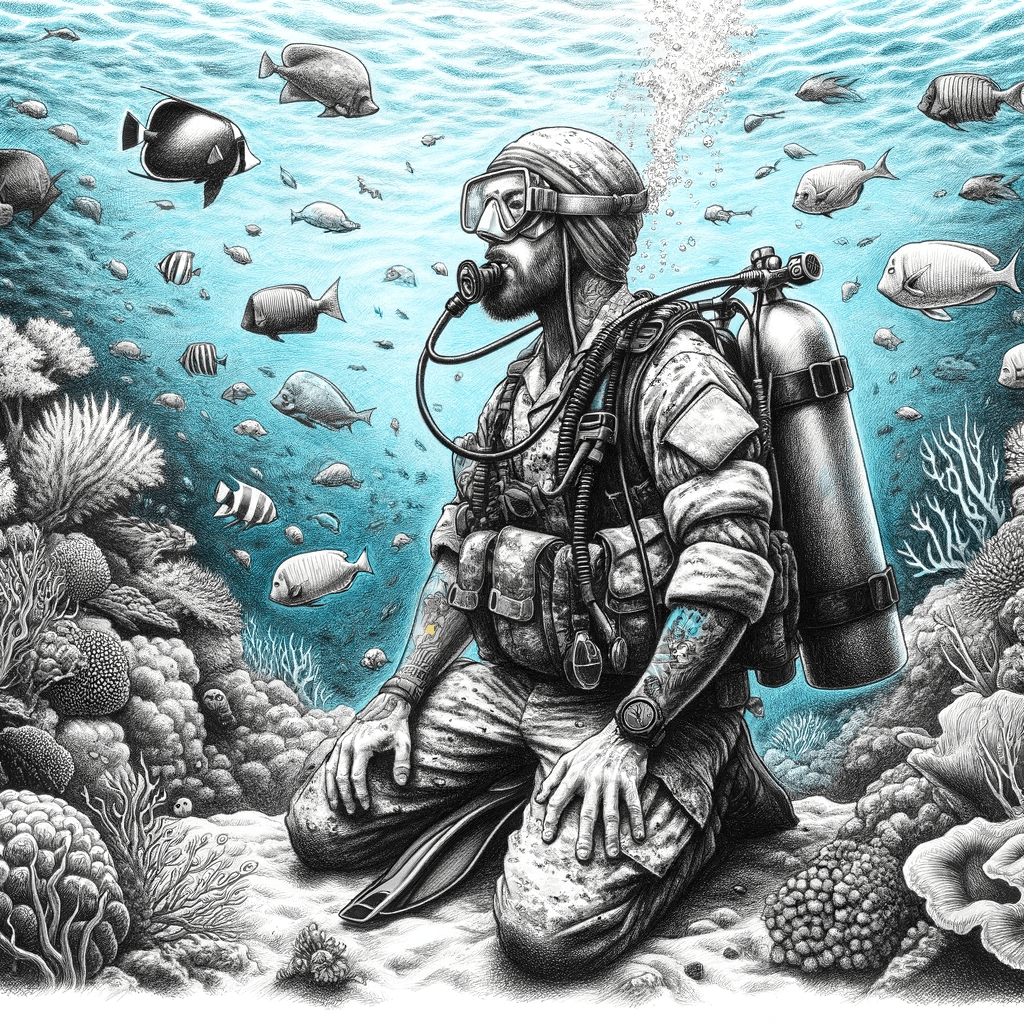
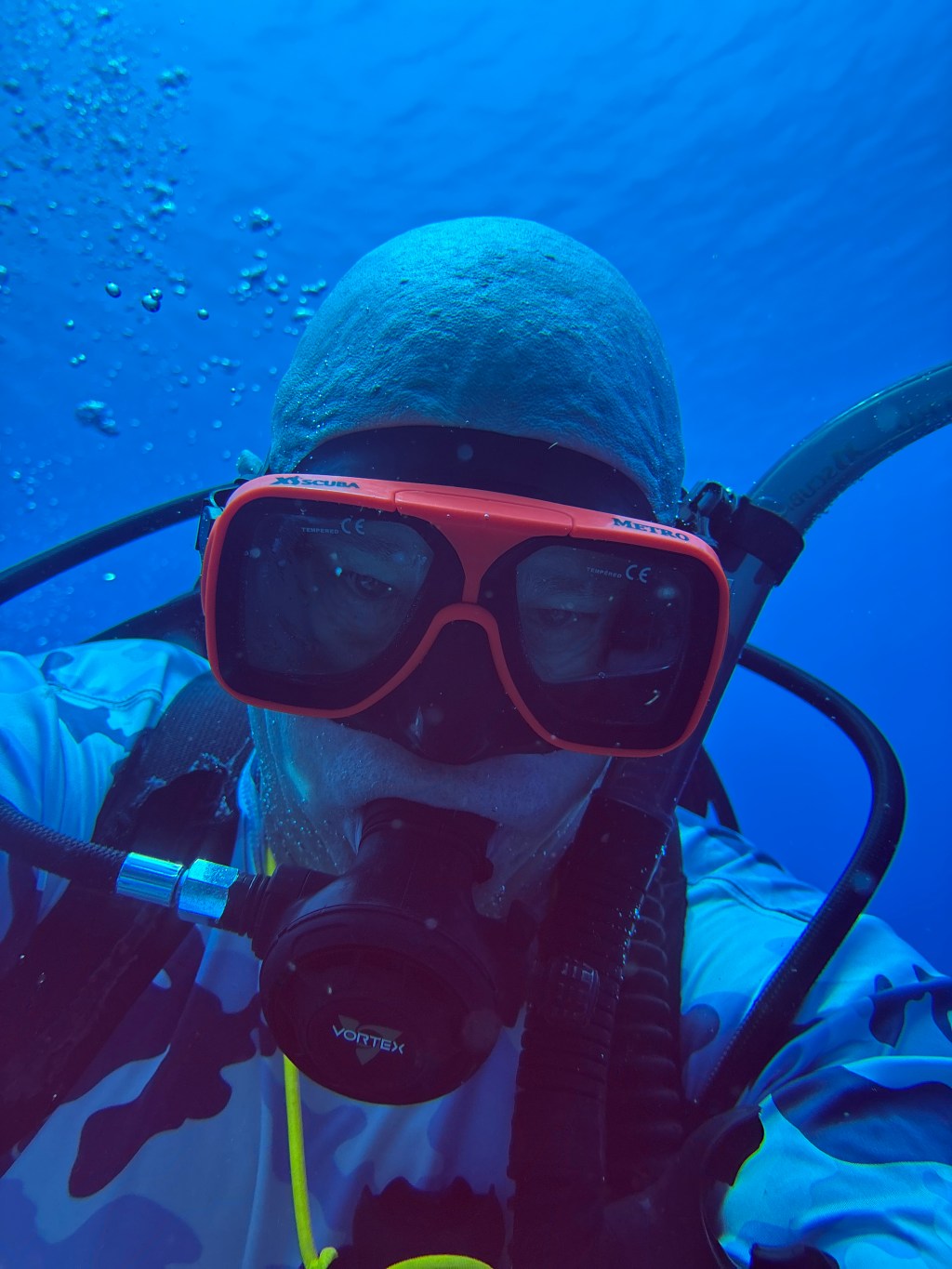
Scuba diving, an activity typically associated with underwater exploration and adventure, has emerged as an unconventional yet effective intervention in reducing the frequency and intensity of night terrors. While not a universally prescribed solution, the therapeutic benefits of scuba diving can be understood through both medical and psychological lenses.
1. Immersion Therapy:
The immersive nature of scuba diving provides a unique therapeutic environment. Immersion therapy involves exposing individuals to stimuli related to their fears in a controlled and supportive setting. The underwater realm serves as a canvas for confronting and managing anxieties associated with night terrors.
2. Relaxation Response:
Scuba diving induces a relaxation response characterized by slowed breathing and a focus on the present moment. This mirrors relaxation techniques often recommended for managing stress and anxiety. The controlled, rhythmic breathing required during diving can have a positive impact on overall sleep quality.
3. Sense of Control:
Night terrors often evoke a sense of helplessness. Scuba diving, with its emphasis on training, equipment familiarity, and controlled descent, offers individuals a sense of mastery and control. This empowerment may carry over into the subconscious, mitigating the feelings of vulnerability associated with night terrors.
4. Stress Reduction and Mindfulness:
Underwater environments, with their serene beauty and captivating marine life, promote a sense of mindfulness. Engaging in scuba diving encourages individuals to focus on the present moment, diverting attention away from anxious thoughts that may contribute to night terrors. The reduction of stress, both mental and physical, is a key element in managing sleep disturbances.
5. Sleep Hygiene and Routine:
Regular scuba diving sessions may contribute to improved sleep hygiene and routine. Establishing a consistent pre-sleep ritual, such as preparing for a dive, can signal to the body and mind that it’s time to unwind, fostering better sleep patterns.
References:
- Strodl, E., & Kenardy, J. (2006). The relationship between sleep disturbance and psychological outcomes for burn-injured individuals. Burns, 32(2), 147–152.
- Beidel, D. C., Turner, S. M., & Cooley, M. R. (1994). Assessment of childhood social phobia: Construct, convergent, and discriminative validity of the Social Phobia and Anxiety Inventory for Children (SPAI-C). Psychological Assessment, 6(2), 195–200.
- Grief, G. L., & Pickett, T. C. (2005). The underwater environment: A potential stressor in scuba diving. Anxiety, Stress & Coping, 18(4), 369–380.
- Morgan, W. P. (1985). Affective beneficence of vigorous physical activity. Medicine and Science in Sports and Exercise, 17(1), 94–100.

 The Neptune Warrior
Leave a comment