

I have been a backplate and wing guy since the mid 1990s and honestly the only reason I was lured away from it was I worked for a shop that required me to dive what they sold. After that I fell into this universe of chasing BCD after BCD not only for the perfect fit, but for all the new “cool stuff” it promised.
Three years ago I went back to using backplates and wings and have now converted all my students to using them.
Using a backplate as part of a scuba diving system instead of a traditional buoyancy control device (BCD) jacket has become increasingly popular among divers, particularly in technical diving and some recreational diving circles. The backplate and wing (BP/W) system offers several advantages:
- Customization and Adjustability:
- Backplates are often made of rigid materials like stainless steel or aluminum, providing a stable foundation for attaching other components.
- Divers can customize the harness and backplate setup to suit their preferences and body shape, allowing for a more personalized and comfortable fit.
- My backplate has replaced 5 BCDs.
- Streamlined Profile:
- The minimalist design of the backplate creates a more streamlined profile underwater, reducing drag and making it easier to move through the water.
- A streamlined configuration is especially beneficial for technical divers who need better control in tight spaces or when moving through cave systems.
- Durable and Low Maintenance:
- Backplates are typically sturdy and durable, requiring less maintenance than traditional BCDs with multiple moving parts.
- They are less prone to wear and tear, and the materials used are resistant to degradation over time.
- In the long run, you are going to save money.
- Improved Buoyancy Control:
- The buoyancy control in a backplate system is achieved using a wing (bladder) that is separate from the backplate. This allows for better control of buoyancy, and divers can achieve a horizontal trim more easily.
- Better control over buoyancy is crucial for technical divers who may need to maintain precise depths during decompression stops.
- Versatility:
- Backplate systems are versatile and can be used in various diving environments, from recreational diving to advanced technical diving.
- The modularity of the system allows divers to switch out components or add accessories as needed for different types of dives.
- Agin, I replaced 5 BCDs with my backplate.
- Travel-Friendly:
- Backplate and wing systems are often more travel-friendly as they are typically lighter (except Stainless Steel which I use) and more compact than traditional BCDs. This can be advantageous for divers who frequently travel to dive destinations.
- Easier Donning and Doffing:
- Some divers find that donning and doffing a backplate system is easier than dealing with a jacket-style BCD. This can be especially relevant when gearing up or disassembling equipment on a rocking boat or in challenging conditions.
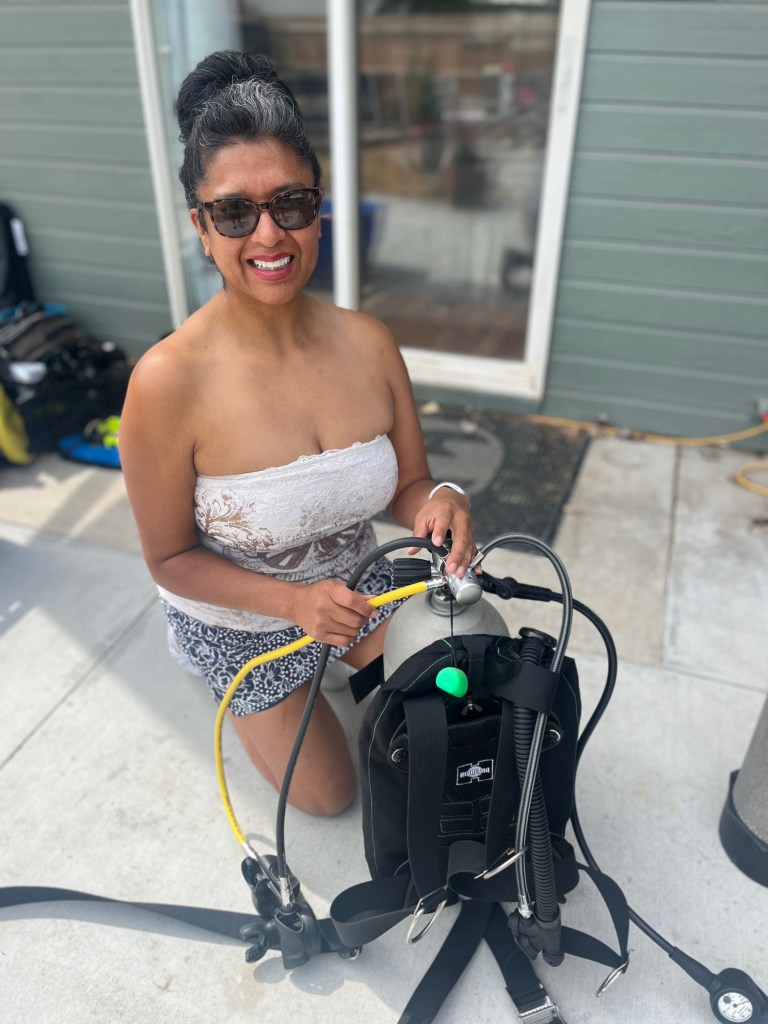
It’s important to note that the choice between a backplate system and a traditional BCD depends on the individual diver’s preferences, experience level, and the type of diving they plan to undertake. Proper training is essential when transitioning to a backplate and wing system, as it requires different skills and techniques compared to a traditional BCD.




 The Neptune Warrior
Leave a comment