
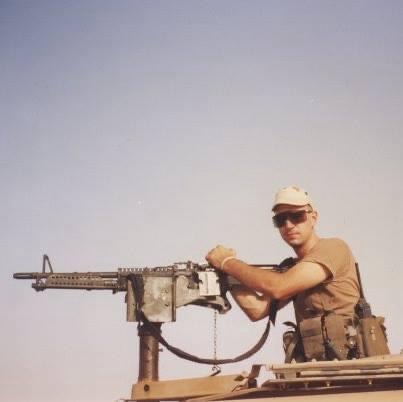
I remember those first few days I didn’t have to get up, put on a prescribed uniform, be in formation, show my military identification to gain access to my place of work. It was weird.
Transitioning from military service to civilian life is a profound journey, and for veterans seeking a unique path, scuba diving can be a transformative element. In this blog post, we’ll explore a holistic feedback model tailored for veterans embracing scuba diving as part of their transition plan. By incorporating positive psychology principles and open-ended questions, this model aims to foster personal and professional growth in a supportive and empowering manner.
Using my AIQ Feedback Model, in this post I want to share tips on working with veterans or as a veteran how to provide self feedback going through the transition process.
Purpose: Clearly State the Purpose For veterans venturing into scuba as part of their transition plan, the purpose of feedback is paramount. Clearly articulating the specific goal or behavior being addressed sets the foundation for a constructive dialogue. For example, if a veteran is refining their teamwork skills for a career in the civilian sector, the purpose could be to enhance collaborative efforts underwater, mirroring workplace dynamics.
Observation: Share the Specifics Being objective and providing concrete examples is crucial in the observation phase, especially in the context of scuba diving. Specific instances of the observed behavior, such as effective communication and teamwork during a dive, become crucial examples to highlight.
Impact: Explain the Consequences Detailing the impact of observed behavior is essential. In scuba, teamwork and communication are not just skills for a successful dive but are vital for safety. Explain how effective teamwork enhances the overall diving experience and, by extension, how these skills are transferable to the civilian workplace.
Pause: Allow for Reflection Given the unique challenges and experiences associated with scuba diving, allowing a moment for reflection becomes even more critical. This pause encourages veterans to absorb the information and draw parallels between their scuba experiences and the skills they want to carry into civilian life.
Suggestions: Offer Constructive Solutions Transitioning to the suggestion phase involves offering actionable steps for improvement. Instead of prescribing solutions, encourage self-reflection through open-ended questions. For example, ask, “How do you think your experience in managing stress during challenging dives can be applied to high-pressure situations in the workplace?”
Support: Express Willingness to Help Reinforce that feedback is about growth, not criticism. Express willingness to support veterans in making positive changes, both in their scuba experiences and their civilian endeavors. This support reinforces a collaborative atmosphere, emphasizing that the feedback is part of a shared journey toward improvement.
Follow-up: Plan for Future Check-ins Conclude by discussing plans for future follow-up. Scheduled check-ins to track progress and offer additional support create accountability and demonstrate a commitment to ongoing growth, both in the diving community and the civilian workplace.
Positive Psychology and Open-Ended Questions: Integrating positive psychology principles into the feedback model is particularly relevant for veterans navigating this unique transition. Open-ended questions foster self-reflection and encourage veterans to explore their strengths and potential solutions. For example, ask, “In what ways do you feel your scuba experiences align with your professional strengths, and how can you leverage them in your civilian career?”
References: To ground the positive psychology aspects of this feedback model, we draw insights from reputable sources:
- Seligman, M. E. P., & Csikszentmihalyi, M. (2000). “Positive psychology: An introduction.” American Psychologist, 55(1), 5–14.
- Linley, P. A., & Joseph, S. (2004). “Positive Psychology in Practice.” John Wiley & Sons.
- Clifton, D. O., & Harter, J. K. (2003). “Investing in strengths.” In K. S. Cameron, J. E. Dutton, & R. E. Quinn (Eds.), Positive organizational scholarship: Foundations of a new discipline (pp. 111–121). Berrett-Koehler.
By integrating scuba diving into a veteran’s transition plan and infusing the process with a tailored feedback model, we aim to provide a comprehensive approach that nurtures personal and professional growth, aligning with the unique strengths and experiences of those who have served in the military.

 The Neptune Warrior
Leave a comment