
Christmas has been tough for me the past three decades. It’s a paradox.
I love the festivities. I enjoy time with friends and loved ones. But it’s countered with memories of the Remsheid air disaster, bruises of past relationships, and distance from my folks. So I put on a game face and get through it most of the season. Don’t get me wrong, there are moments of joy. There is the drive to surround myself with others at our annual Chili Feed, and the need to make sure others have a place to go to be with others going through the same thing. I don’t even need gifts, I just need to be around others when I want to hide.
As the holiday season approaches, many eagerly anticipate the warmth and joy that Christmas brings. However, for those battling post-traumatic stress disorder (PTSD), the festive season can stir a complex mix of emotions. The memories and triggers associated with trauma may cast shadows over what should be a joyful time. This blog posting aims to offer a daily meditation guide, providing a supportive framework for individuals navigating PTSD during Christmas. This is my own routine and something I have been repeating since Thanksgiving.
Day 1: Acknowledge Your Feelings
I did a few years ago on the first day I noticed the holiday blues. The journey toward healing begins with self-awareness. Find a quiet space, take a deep breath, and acknowledge the emotions that surface. Whether it’s joy, pain, or a blend of both, permit yourself to feel without judgment. This act of recognition is the first step toward understanding and accepting the complexity of your emotions.
Day 2: Ground Yourself in the Present
In the hustle and bustle of the holiday season, it’s easy to be swept away by the currents of the past or future. Today’s meditation focuses on grounding yourself in the present. Close your eyes, breathe deeply, and let your breath serve as an anchor. By embracing the peace of the current moment, you detach from the shadows of the past, fostering a sense of stability.
Day 3: Cultivate Self-Compassion
Living with PTSD requires immense strength. In today’s meditation, reflect on your resilience and acknowledge the progress, no matter how small. Cultivate self-compassion, treating yourself with the same kindness you would offer a dear friend. Embracing self-love is a powerful step on the path to healing.
Day 4: Create Safe Spaces
Identify physical and mental safe spaces where you can retreat when emotions become overwhelming. Envision these spaces as sanctuaries, offering solace and protection. Whether it’s a cozy corner at home or a mental refuge, having a place where you feel secure contributes to your overall well-being.
Day 5: Establish Boundaries
Set clear boundaries to protect your mental health during the holiday season. Communicate your needs to loved ones, expressing what you can and cannot handle. Establishing boundaries allows you to participate in festivities while safeguarding your well-being.
Day 6: Practice Mindfulness
Engage in mindful activities that anchor you to the present moment. Whether it’s savoring a warm cup of tea, feeling the texture of an object, or listening to soothing music, these moments of mindfulness can bring a sense of calm amidst the chaos.
Day 7: Seek Support
In today’s meditation, visualize a network of support surrounding you. Reach out to friends, family, or mental health professionals who care about your well-being. Remember that you don’t have to face the challenges of PTSD alone; seeking support is a courageous and empowering act.
Conclusion
As you embark on this daily meditation journey, keep in mind that healing is a gradual process. Each day provides an opportunity for growth and resilience. By cultivating mindfulness, self-compassion, and a supportive environment, you can discover moments of peace amidst the shadows of Christmas. May this meditation series be a source of comfort and strength as you navigate the holiday season with compassion for yourself and hope for the future.

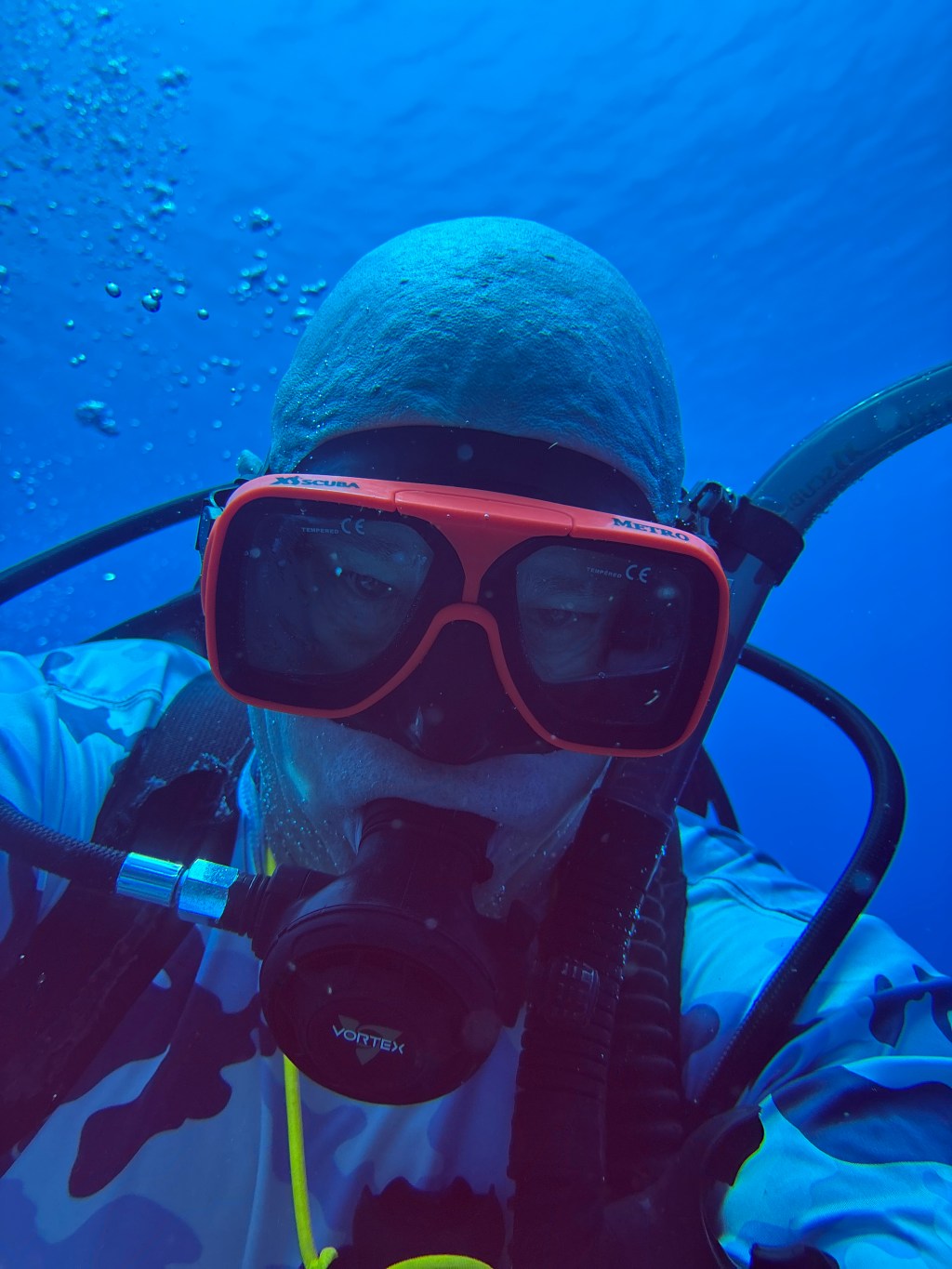


 The Neptune Warrior
Leave a comment