
As I sat on my gear-laden duffel bag under the scorching sun in Dahran, I couldn’t help but reflect on the military’s infamous “hurry up and wait” culture. The orders had come in to move our squad to the Forward Operating Base (FOB), and while we were ready to roll, it seemed like the universe had a different timeline for us.
In the midst of the collective sighs and shared glances of impatience, I decided to make the most of this downtime. I pulled out a set of laminated cards from my cargo pocket – our version of hip pocket training. It was a stack of quick-reference guides covering everything from squad tactics to emergency procedures. Today, the lesson was on effective communication in the field.
Gathering my squad in a loose circle, I began the impromptu training session. The cards were passed around, each soldier taking a turn to review and discuss the material. We covered hand signals, radio communication protocols, and the importance of concise, clear messages in the chaos of a mission.
As we went through the material, I could see the initial restlessness give way to focused engagement. The “hurry up and wait” atmosphere transformed into an opportunity for our squad to reinforce essential skills. The setting sun became our classroom, and the hum of distant engines served as a backdrop to our impromptu training.
Questions were raised, scenarios were discussed, and practical examples were shared. The camaraderie within the squad grew as we collectively invested in improving our communication dynamics. What started as an exercise in killing time turned into a valuable session that would pay dividends when we finally got the green light to move.
Eventually, the call came to mount up. Our ride was ready, and the squad, now mentally sharper, moved with a newfound sense of purpose. As we boarded the transport vehicles, the cards found their way back into cargo pockets, ready for the next impromptu lesson.
In the military, the culture of “hurry up and wait” can be frustrating, but it’s also an inherent part of the lifestyle. Turning those moments of waiting into opportunities for hip pocket training not only fills the idle time but strengthens the unit’s capabilities. It’s a testament to the adaptability and resilience ingrained in military personnel – a skill set that extends beyond the battlefield and into the fabric of everyday life.
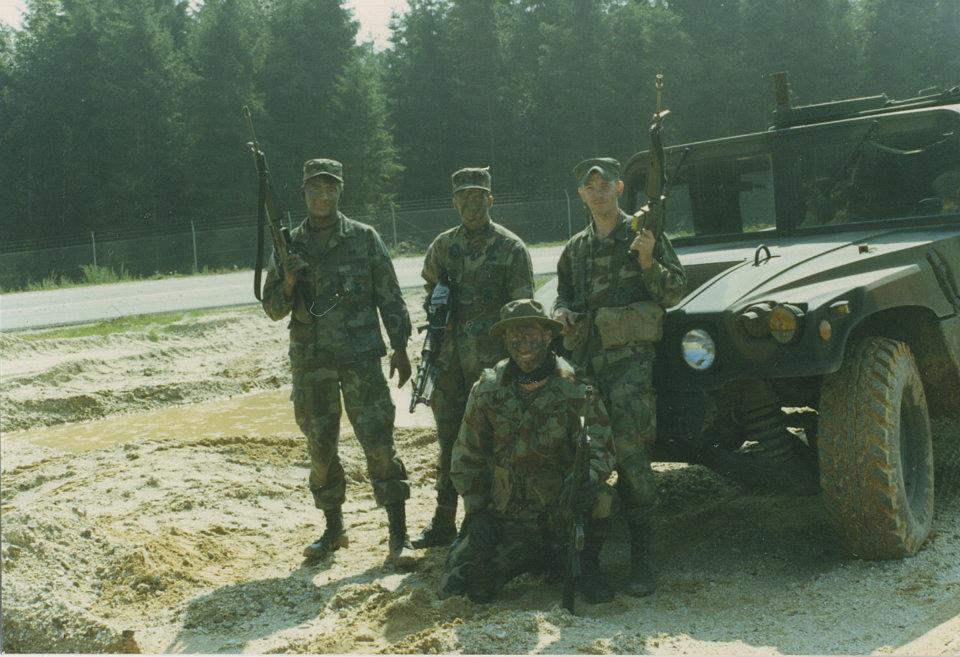
“Hip pocket training” is a term that is often used in a military or professional training context. It refers to training materials or information that an individual can carry with them in their “hip pocket,” meaning it is readily accessible and can be easily referenced or reviewed as needed.
The idea behind hip pocket training is to provide quick and concise information that is essential for a particular task or situation. These materials are usually designed to be portable and can be easily carried by individuals, making them convenient for on-the-go learning or quick reference in the field.
In a military setting, for example, a soldier might have hip pocket training materials on specific tactics, procedures, or emergency protocols that they can quickly review when needed. In a broader professional context, hip pocket training can be used in various industries to ensure that employees have access to key information relevant to their roles.
The term is metaphorical, emphasizing the practicality and accessibility of the training materials, which are metaphorically kept in one’s hip pocket for easy retrieval and use.
In the context of scuba diving, “hip pocket training” may refer to quick reference materials or key information that divers can easily carry with them for on-the-spot guidance. Here are some examples of hip pocket training materials in scuba diving:
- Dive Tables or Dive Computer Reference Cards:
- These cards provide essential information for calculating dive times and decompression limits based on depth and time. Divers can carry these cards in their hip pockets for quick reference during dives.
- Emergency Procedures Cards:
- These cards outline emergency procedures and signals for common diving situations, such as running out of air, buddy separation, or equipment malfunctions. Divers can keep these cards handy for quick review in case of an emergency.
- Buoyancy Control Quick Reference Guide:
- A card or document that provides tips and reminders for maintaining proper buoyancy during a dive. It may include information on weighting, breathing techniques, and control of ascent and descent.
- Marine Life Identification Cards:
- Divers may carry waterproof cards with images and brief descriptions of common marine life encountered in a particular diving location. This helps divers quickly identify species and enhances their underwater experience.
- Dive Site Maps:
- Small, laminated maps of dive sites can be kept in a diver’s hip pocket for easy navigation. These maps may highlight entry and exit points, notable features, and recommended routes.
- Safety Stop Guidelines:
- A card outlining the recommended procedures for safety stops at different depths, helping divers adhere to safe ascent practices and reduce the risk of decompression sickness.
- Equipment Checklists:
- A pocket-sized checklist that divers can use before each dive to ensure that all necessary equipment is in proper working order. This can include items like regulator checks, buoyancy compensator inflation and deflation, and mask and fin inspections.
These hip pocket training materials are designed to be compact and easily accessible, allowing divers to reinforce their knowledge and skills while underwater or during pre-dive preparations. It’s important to note that while these materials can be helpful, they should complement, not replace, comprehensive scuba diving training and certification.
In the civilian workplace, hip pocket training can be a valuable tool for providing quick, on-the-go reference materials and information to employees. Here are some examples of how hip pocket training can be used in various professional settings:
- Emergency Procedures:
- Develop and distribute pocket-sized cards outlining emergency procedures, evacuation routes, and contact information. Employees can keep these cards in their pockets for quick access in case of workplace emergencies.
- Safety Protocols:
- Create concise reference materials on workplace safety protocols, including proper use of personal protective equipment (PPE), handling hazardous materials, and responding to safety incidents. Employees can refer to these materials as needed.
- Customer Service Guidelines:
- Provide quick reference cards with key customer service tips, communication guidelines, and problem-solving strategies. This can be particularly useful in industries where employees interact directly with customers.
- Technical Troubleshooting Guides:
- Develop pocket-sized guides for troubleshooting common technical issues or operating machinery. These guides can assist employees in quickly identifying and resolving problems without having to consult lengthy manuals.
- Sales Techniques and Product Information:
- For sales teams, create pocket-sized cards with essential product information, selling techniques, and key features. This can serve as a quick reference during client meetings or presentations.
- Compliance and Regulatory Information:
- Summarize important compliance and regulatory information relevant to the industry. Employees can keep these summaries in their pockets for easy access to legal and procedural guidelines.
- Time Management Tips:
- Provide pocket-sized guides on effective time management, including tips for prioritizing tasks, setting goals, and minimizing distractions. This can help employees enhance productivity in their daily work.
- Health and Wellness Resources:
- Create materials that promote employee well-being, including tips for maintaining work-life balance, stress management techniques, and information about available workplace wellness programs.
- Remote Work Guidelines:
- Develop reference materials for employees working remotely, covering best practices for virtual communication, cybersecurity tips, and guidelines for maintaining productivity outside the traditional office environment.
- Onboarding and Training Summaries:
- Provide new employees with pocket-sized summaries of key onboarding and training information. This can help them quickly familiarize themselves with essential processes and expectations.
When implementing hip pocket training in the workplace, it’s crucial to ensure that the materials are clear, concise, and up-to-date. Regular updates may be necessary to reflect changes in procedures, technology, or industry regulations. Additionally, while hip pocket training is a valuable resource, it should not replace comprehensive training programs or detailed manuals where needed.



 The Neptune Warrior
Leave a comment