
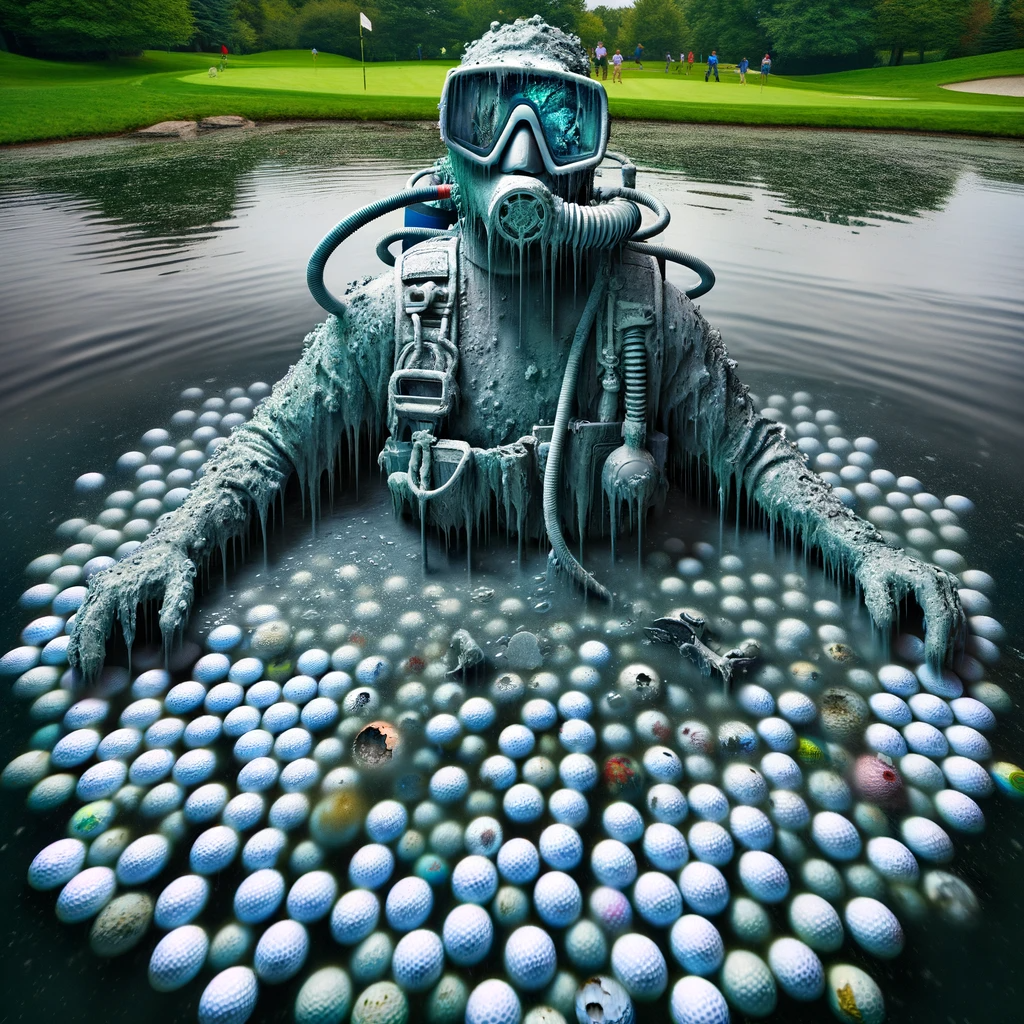
As I zipped up my wetsuit and checked my scuba gear, I felt a familiar surge of excitement mixed with a bit of apprehension. Diving for golf balls in the ponds of this lush golf course had become my unusual but rewarding occupation. The early morning sun cast a serene glow over the water, belying the murky world beneath the surface that I was about to enter.
With my mask secured and fins in place, I took a deep breath from my regulator and plunged into the pond. The transition was abrupt; the clear, sunny world above swiftly gave way to the dim, greenish gloom below. Visibility here was close to zero, a common scenario in these waters, so I relied heavily on my sense of touch.
Navigating through the chilly water, I felt the squishy mud under my fingers as I swept my hands through the pond bed. The sensation of finding the first golf ball of the day was always a mix of triumph and relief. They were usually buried partially in the mud, and I had to dig them out gently to avoid stirring the muck.
As I collected more balls, filling the mesh bag secured to to a D-ring by bolt-snaps, I remained vigilant. Golf course ponds could be peaceful, but they were also unpredictable. Once, I had a close encounter with a Beaver and another time with a nest of snakes, a reminder that these waters were shared with local wildlife. That day, I made a hasty but cautious retreat, respecting the creature’s space.
After about an hour underwater, my bag was almost full, and my air supply indicated it was time to surface. Emerging from the pond, I felt a sense of accomplishment. Each dive was unique, challenging, and strangely therapeutic. The golf balls, once cleaned and sorted, would find new life on the golf course, a small contribution to environmental conservation and recycling and money for more adventures.
Back on the shore, I began the process of cleaning the balls, a routine that marked the end of another successful dive. This job, a blend of adventure and environmentalism, had become more than just a source of income; it was a journey into a hidden world, where every dive told a different story. But there is a darker side to it.
The Hidden Dangers
Golf courses look plush and green because more often than not they are bathed in chemicals and fertilizers. All of that is soaked in by your skin and sometimes ingested through mouth, nose, and eyes.
Chemicals used on golf courses typically include a range of products to maintain the turf and manage pests and diseases. These can include:
- Fertilizers: These are used to provide essential nutrients to the grass, such as nitrogen, phosphorus, and potassium.
- Herbicides: Herbicides are used to control unwanted weeds that compete with the grass for nutrients and sunlight.
- Fungicides: Fungicides help in controlling fungal diseases that can damage the turf.
- Insecticides: These are used to manage insect pests that can damage the grass.
- Growth Regulators: These chemicals are used to modify the growth of the grass, often to slow it down, which reduces the need for frequent mowing.
- Wetting Agents: These help in improving the water movement in the soil, ensuring uniform moisture distribution.
It’s important to note that the specific chemicals used can vary greatly depending on the location, type of turf, and the specific management practices of the golf course. Additionally, there is a growing trend towards using more environmentally friendly and sustainable practices, which may include reduced use of chemical products or the use of organic alternatives.
The Damage to Body and Brain While Submersed in a Typical Golf Course Pond
The impact of chemicals used on golf courses on the body and brain depends on several factors, including the type of chemical, the level of exposure, and the individual’s health. Here’s a general overview of how different types of chemicals commonly used on golf courses might affect the body and brain:
- Fertilizers: Fertilizers typically contain nitrogen, phosphorus, and potassium. Overexposure to these elements, especially nitrogen, can lead to health issues like respiratory problems, skin irritation, and in severe cases, can affect the central nervous system.
- Herbicides: Some herbicides have been linked to health risks. For instance, exposure to certain herbicides like glyphosate has been a subject of concern and debate due to potential links to cancer. They can also cause irritation to the skin, eyes, and respiratory system.
- Fungicides: Certain fungicides can be toxic if inhaled or absorbed through the skin. They can cause a range of symptoms from skin rashes to more severe effects on the nervous system, depending on the type and level of exposure.
- Insecticides: Many insecticides are neurotoxins and can affect the nervous system. Symptoms of exposure can include headaches, dizziness, nausea, and in severe cases, can lead to chronic neurological conditions.
- Growth Regulators: The impact of growth regulators on human health is typically less severe compared to other chemicals. However, depending on the specific type and exposure levels, they can cause skin irritation or more serious health issues.
- Wetting Agents: These are generally considered to be low in toxicity, but some formulations may cause skin or eye irritation.
It’s important to note that the risk of exposure to these chemicals for people playing on or living near golf courses is typically low, especially if the chemicals are applied according to guidelines. However, groundskeepers and others who handle these chemicals regularly might be at a higher risk, and proper safety measures should be followed.
For the general public, incidental contact with these chemicals, such as playing on recently treated grass, is unlikely to cause significant health issues. Nonetheless, concerns about long-term, low-level exposure and its cumulative effects on health are subjects of ongoing research and discussion.
How it Gets to the Pond
Chemicals used on golf courses, such as fertilizers, herbicides, fungicides, insecticides, and others, can end up in ponds and water bodies on the course through various processes:
- Runoff: This is the most common way chemicals enter ponds. When it rains, water flows over the ground, picking up chemicals from the turf and soil. This runoff water can then carry these chemicals into nearby ponds. Golf courses are often designed with a series of slopes and contours, which can facilitate the movement of water (and thus chemicals) towards ponds or other water bodies.
- Leaching: Some chemicals can leach through the soil into the groundwater. If a golf course’s ponds are fed by groundwater, these chemicals can contaminate the water. Leaching is more common with substances that are highly soluble in water.
- Spray Drift: During the application of chemicals, some of the material can become airborne, especially on windy days. This spray drift can travel some distance before settling, potentially landing in nearby water bodies, including ponds.
- Direct Application: In some cases, chemicals might be directly applied to ponds for various reasons, such as controlling algae growth or aquatic weeds. While these chemicals are meant for use in water, they can still impact the water quality and aquatic life.
- Accidental Spills: Accidental spills during mixing, filling, or application of chemicals can also lead to direct contamination of ponds if they occur near the water’s edge.
The impact of these chemicals on pond ecosystems can be significant. They can affect the health of aquatic plants and animals, alter nutrient cycles, and potentially lead to issues like algal blooms. These effects can be mitigated by implementing best management practices such as buffer zones (areas where no chemical application is allowed) around ponds, using less toxic or organic alternatives, and careful timing and methods of chemical application to minimize runoff and drift.
So Still Want to Dive for Golf Balls?
If you’re set on recovering golf balls, here is what you need to know. Personally I would be in full environmental drysuit and full face mask, which to many is cost prohibitive. Diving for golf balls in golf course ponds is a unique niche job that combines scuba diving skills with the demand for retrieving lost golf balls. Here’s an overview of what this activity involves:
- Primary Task: The primary task is to retrieve golf balls from ponds and water hazards on golf courses. Over time, thousands of balls can accumulate in these waters.
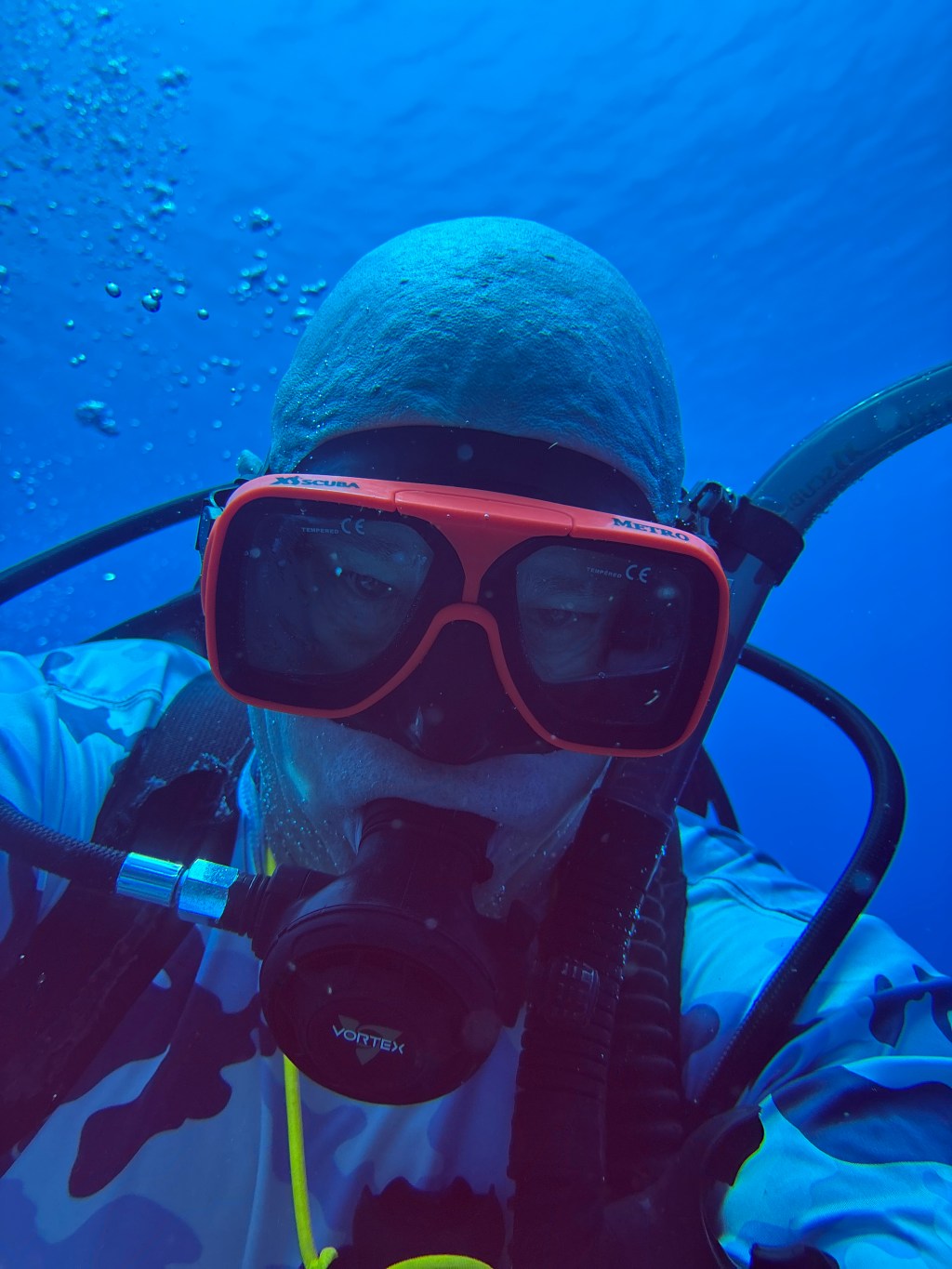
- Equipment Used: Divers typically use standard scuba gear, including a wetsuit, mask, fins, and sometimes a weight belt for stability. What is really needed, full environmental protection, your standard gear won’t suffice. FFM, drysuit, dry hood, dry gloves. Visibility is often low in these ponds, so feeling around with hands is a common method for locating balls. The ability to spray down after is important.
- Work Environment: Golf course ponds can be murky, with visibility often near zero. These waters can also contain weeds, mud, and potentially wildlife like snakes or alligators, depending on the location.
- Safety Precautions: Divers must be cautious of underwater hazards, such as sharp objects, and also of wildlife. It’s important to be aware of local wildlife risks and to dive with a partner for safety.
Economics
- Sale of Recovered Balls: The retrieved balls are often cleaned and sold as used balls. Depending on their condition, they can be quite valuable, especially if they are of a high-quality brand.
- Payment Structure: Divers can be paid per ball, or they may receive a share of the profits from the balls’ sale. Some divers work as contractors for companies specializing in this service.
Environmental Impact of Removing Lost Balls
- Benefits: Removing golf balls from water bodies can have environmental benefits, as the balls can release pollutants as they degrade.
- Eco-Friendly Practices: Using environmentally conscious methods for diving and ball retrieval is important to minimize the impact on aquatic ecosystems.
Requirements
- Scuba Certification: A diver needs to be certified in scuba diving. Additional training or experience in low-visibility environments can be beneficial. The courses I worked required I be a Dive Master, have insurance, and be bonded.
- Physical Fitness: The job can be physically demanding, requiring stamina and strength.
- Comfort with Low Visibility: Being comfortable diving in conditions with almost no visibility is crucial.
- Knowledge of Local Wildlife: Understanding potential hazards from local wildlife and how to safely navigate them is important.
Conditions
- Variable Conditions: Conditions can vary widely from one golf course to another, making each dive unique.
- Wildlife Encounters: Divers may encounter wildlife, which can be both a risk and a thrill of the job. Yeah let me just say Water Moccasins and South Texas and leave it there.
- Seasonal Work: In some areas, this work may be seasonal, depending on the climate and golfing seasons.
In summary, I’m out of the golf ball retrieval game. While fun, now knowing all the hazards, I wouldn’t recommend for the average diver in standard scuba gear.
References
- Environmental Protection Agency (EPA): For information on the environmental impact of chemicals used in landscaping, including golf courses.
- United States Golf Association (USGA): For best practices in golf course maintenance and management.
- National Institute for Occupational Safety and Health (NIOSH): For information on the health impacts of exposure to various chemicals.
- Golf Course Superintendents Association of America (GCSAA): For insights into modern golf course management and maintenance techniques.

 The Neptune Warrior
Leave a comment