

During my visits to the Denver Aquarium, I participated in a guided shark dives, a prime example of exposure therapy in action. Initially, the thought of being in close proximity to sharks was daunting. My body reacted with familiar signs of fear: a racing heart, quickened breath, and tense muscles. Mentally, my thoughts raced towards worst-case scenarios, exaggerating the danger despite knowing the controlled nature of the dive.
The experience, however, turned out to be transformative. As I descended into the tank under the watchful guidance of experienced instructors, I was immediately struck by the serene environment. The sharks, far from the menacing creatures of my imagination, moved gracefully around the tank, seemingly indifferent to my presence.
As the dive progressed, my initial fear gradually subsided. I began to focus more on the sharks’ movements, their sleek forms, and how they interacted with their environment. This shift in focus, from my internal fears to the external reality before me, was crucial. It allowed me to challenge and reframe my distorted thoughts about the danger sharks posed.
The controlled and gradual exposure to the sharks helped me realize that my fear was indeed exaggerated. I learned to appreciate these magnificent creatures for what they are, rather than what my fear-fueled imagination had made them out to be. The dive became a lesson in coexistence and respect, rather than one of fear.
By the end of the experience, my perception of sharks had changed significantly. The physical symptoms of fear were replaced by a sense of awe and a newfound respect. This positive encounter demonstrated the power of exposure therapy. It’s not just about confronting fears but about reshaping our understanding and reactions to them.
This experience at the Denver Aquarium is a testament to how exposure therapy can effectively reduce fear. It provides a controlled environment to face fears head-on, allowing for a gradual and supported confrontation with what scares us, leading to a significant shift in perception and reaction. I liked it so much I have taken other divers on this exact journey several times.
As a scuba diving enthusiast and blogger, I’ve often discussed the myriad emotions that accompany us underwater. Fear, while a common companion, can sometimes become a hindrance, especially when it’s directed towards creatures like sharks. In this post, I want to delve into how exposure therapy can significantly reduce such fears, using my own experience as a case study.
The Fear Factor in Diving
Fear is a natural response in diving, often manifesting physically through a racing heart, tense muscles, and rapid breathing. Mentally, it can lead to exaggerated perceptions of danger. This ‘better-safe-than-sorry’ approach of our brain often distorts reality, making the underwater world seem more threatening than it actually is.
Exposure Therapy: A Game Changer
Exposure therapy works by gradually and systematically exposing you to the object of your fear – in this case, sharks. It’s about controlled encounters that challenge your fears in a safe environment. This method allows for a direct confrontation with these fears, enabling you to process and manage them effectively.
A Personal Dive into the World of Sharks
I vividly remember my guided dive at the Denver Aquarium, a pivotal moment in my journey of overcoming my fear of sharks. Initially, the thought of diving with sharks triggered all my fear responses. But as I submerged into the tank, guided by experts, I found myself enveloped in a world of tranquility.
Surrounded by sharks, I observed their graceful, indifferent movements, which starkly contrasted with my preconceived notions. This real-time experience allowed me to challenge my exaggerated fears, slowly replacing them with a sense of awe and respect.
The Role of Scuba Skills in Managing Panic
In addition to exposure therapy, refining scuba skills plays a crucial role in managing underwater panic. Regular practice of breathing techniques, buoyancy control, and emergency procedures builds confidence. This confidence is key in maintaining composure when faced with unexpected situations, including encounters with marine life.
Transformative Outcomes
The result of this exposure therapy was profound. My perception of sharks shifted from fear to fascination. The physical symptoms of fear ebbed away, replaced by a newfound appreciation for these misunderstood creatures.
Takeaways for Fellow Divers
For those struggling with similar fears, I recommend exposure therapy, coupled with regular practice of scuba skills, as an effective approach to overcoming your fears. It’s not just about facing what scares you; it’s about reshaping your understanding and reaction towards it.
Through exposure therapy and skill mastery, we can transform our underwater experiences. We learn that our fears, while valid, can be confronted and managed. This not only enhances our diving experiences but also enriches our understanding of the marine world.
Remember, diving is not just a sport; it’s a journey of continuous learning and personal growth, both above and below the surface.
- American Psychological Association. (2017). Exposure therapy. APA PsycNet. https://doi.org/10.1037/e536202017-001
- This reference from the APA provides a comprehensive overview of exposure therapy, explaining its principles and applications.
- Craske, M. G., & Barlow, D. H. (2008). Panic disorder and agoraphobia. In D. H. Barlow (Ed.), Clinical handbook of psychological disorders: A step-by-step treatment manual (4th ed., pp. 1-64). Guilford Press.
- This book chapter details the application of exposure therapy in treating panic disorders and agoraphobia, relevant for understanding fear management in diving.
- Foa, E. B., & Kozak, M. J. (1986). Emotional processing of fear: Exposure to corrective information. Psychological Bulletin, 99(1), 20-35. https://doi.org/10.1037/0033-2909.99.1.20
- This seminal paper discusses the emotional processing of fear and the role of exposure to corrective information, foundational to exposure therapy.
- Powers, M. B., & Emmelkamp, P. M. G. (2008). Virtual reality exposure therapy for anxiety disorders: A meta-analysis. Journal of Anxiety Disorders, 22(3), 561-569. https://doi.org/10.1016/j.janxdis.2007.04.006
- This meta-analysis evaluates the effectiveness of virtual reality exposure therapy for anxiety disorders, which can be analogous to controlled exposure in diving.
- Wolitzky-Taylor, K. B., Horowitz, J. D., Powers, M. B., & Telch, M. J. (2008). Psychological approaches in the treatment of specific phobias: A meta-analysis. Clinical Psychology Review, 28(6), 1021-1037. https://doi.org/10.1016/j.cpr.2008.02.007
- This review provides insights into various psychological approaches, including exposure therapy, for treating specific phobias.
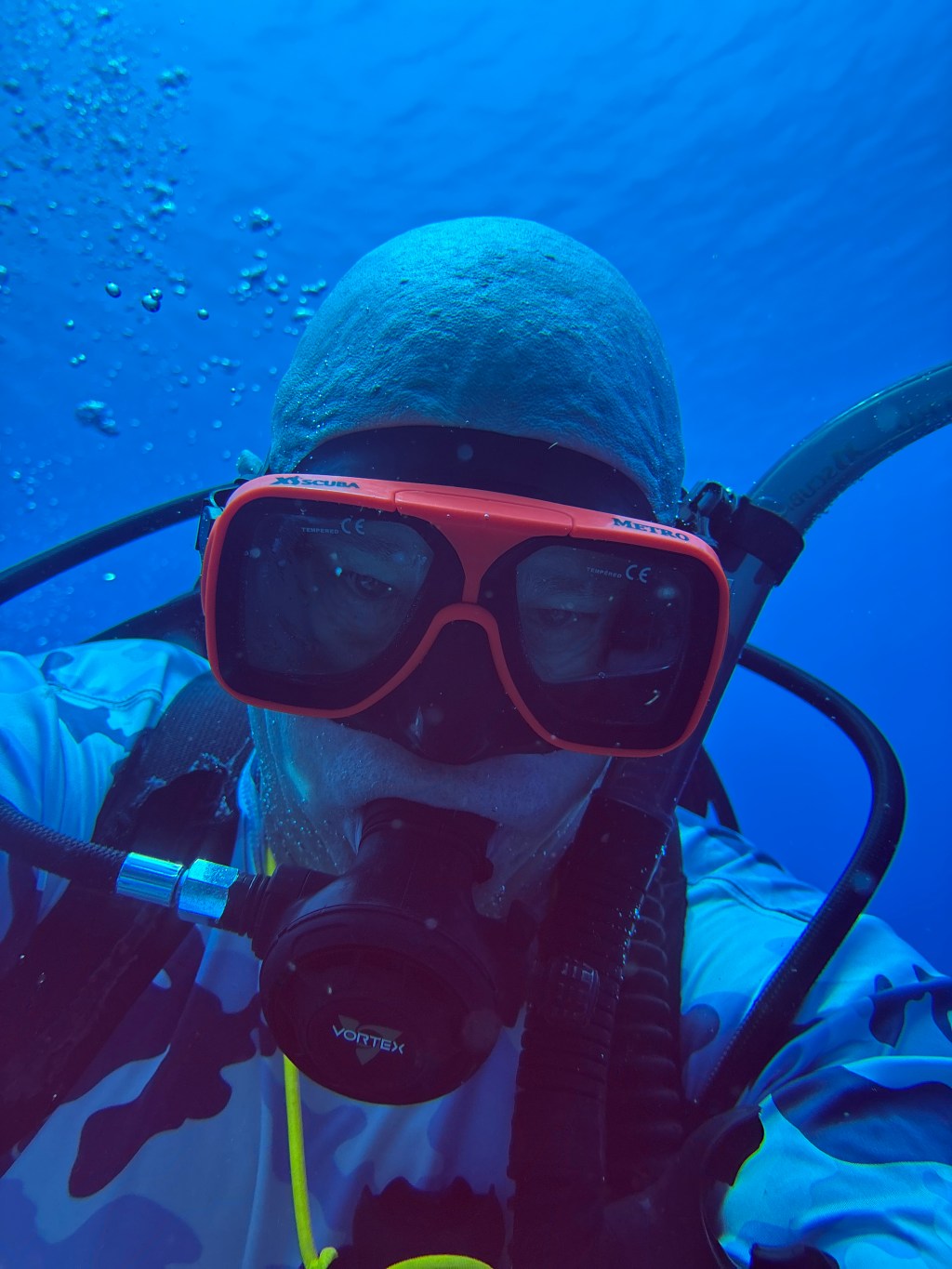


 The Neptune Warrior
Leave a comment