
Using my Oculus headset has been a mixed experience in my quest to balance my hyperconnected life. On one hand, it’s an incredible piece of technology that offers a unique form of escapism. The virtual worlds I can explore are fascinating, providing a distinct break from the typical digital interactions that dominate my day. Socializing in VR, though different from real-life interactions, has its own charm and has allowed me to stay connected with friends in novel and fun ways.
However, this experience is not without its drawbacks. Spending time in VR sometimes leaves me feeling disconnected from my physical environment. Coming back to reality after being immersed in these virtual worlds can be jarring, and the lack of physical presence in VR interactions can’t fully replace the depth of face-to-face connections. Additionally, prolonged use leads to physical discomfort like eye strain and a mild form of motion sickness. While it’s enjoyable and offers a new form of digital interaction, the Oculus headset also requires careful management to avoid exacerbating the challenges of living in a hyperconnected world. Balancing its use with real-world activities and interactions has been key to ensuring it remains a positive aspect of my digital life.
In today’s fast-paced, hyperconnected world, finding ways to disconnect and recharge is more important than ever. Amidst the constant barrage of notifications and digital demands, scuba diving emerges as a serene escape, offering profound benefits for both mental and physical health.
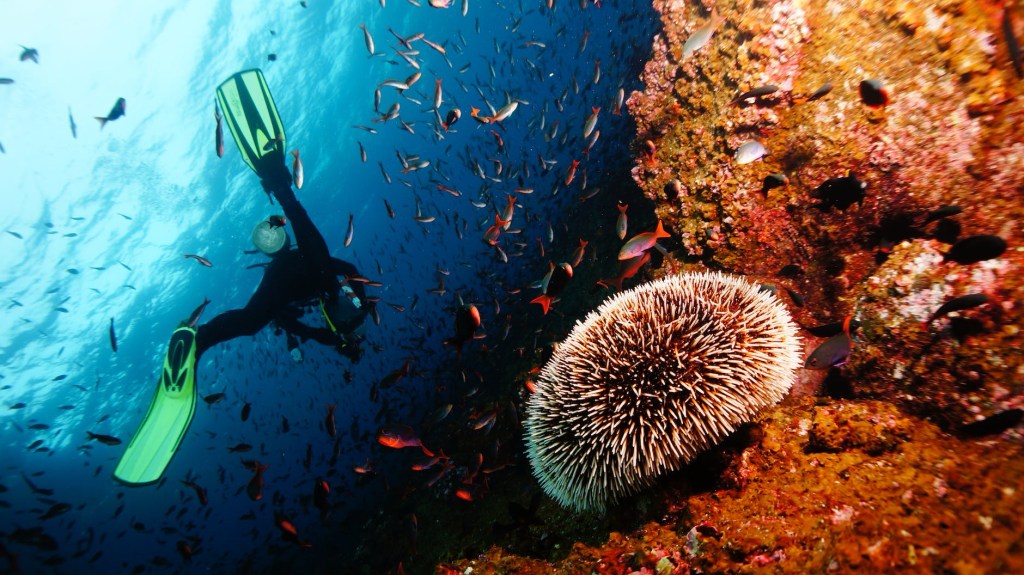
Scuba Diving: A Dive into Serenity
Scuba diving is not just an adventurous sport; it’s a journey into a world of tranquility, far removed from the chaos of modern life. Here’s how diving can help us unplug and improve our well-being:
- Mental Health Benefits: The University of Sheffield’s Medical School conducted a study revealing significant improvements in the mental health of military veterans who completed a PADI scuba diving course. This included reductions in insomnia, anxiety, and depression, highlighting diving’s potential as a therapeutic activity.
- Physical Health Enhancement: Before even entering the water, divers must be in good physical health. The act of diving itself builds strength, lowers blood pressure, and increases flexibility. This physical engagement is linked to improved mental health, as a strong body often fosters a strong mind.
- Meditative Qualities: Scuba diving requires a focus on breathing, akin to meditative practices. This focus helps combat psychological distress, offering a peaceful, zen-like experience underwater, akin to the aftermath of a meditation session.
- Fostering Community: Diving encourages social interaction, an antidote to the isolation often felt in a digitally-dominated world. The necessity of diving with a buddy or group creates opportunities for meaningful connections and community building.
- Altruism and Environmental Engagement: Engaging in conservation and altruistic activities while diving can reduce stress hormones, fostering feelings of happiness and calm. This aspect of diving adds a layer of purpose and self-worth to the experience.
Nature’s Healing Touch
Beyond scuba diving, simply immersing oneself in nature can have transformative effects on the mind and body.
- Mental Health and Blue Spaces: Living near blue spaces has been associated with less mental distress. Access to nature is linked to a lower incidence of health conditions like depression and anxiety, as found in studies conducted by researchers from the University of Exeter Medical School and others
- Cognitive and Emotional Benefits: Studies have shown that walking in forests, on a beach, or taking a plunge in the blue decreases stress hormones like cortisol. Natural scenes activate parts of the brain associated with empathy and altruism, contrasting the stress responses elicited by urban environments
The Soothing Effect of Water
The calming influence of water plays a significant role in mental restoration. Being near, in, or under water can induce a meditative state, leading to relaxation and mental clarity. Activities involving water, such as swimming or beach walks, are known to alleviate anxiety and stress, nurturing a sense of peace and well-being.
Conclusion
In our hyperconnected era, it’s crucial to find sanctuaries that allow us to disconnect and rejuvenate. Scuba diving and nature offer unique, profound experiences that not only provide a respite from digital overload but also enhance our mental, physical, and emotional well-being. Whether it’s the depth of the ocean or the tranquility of a forest, these natural environments remind us of the world beyond our screens, offering a much-needed perspective shift in our increasingly digital lives.


 The Neptune Warrior
Leave a comment