

It’s two in the morning. I am awakened again. This is pretty normal. Something in my brain stirs me awake. The need to be suddenly vigiiant. The drive to become aware of my surroundings, update the information in my brain, to gain that moment of security. Instead of rolling over and putting my arms around the person I love, I turn to the phone. Check the time, then check social media, then check my calendar, then check emails, and the list goes on. Before I know it 45 minutes have passed and I’m even more awake. I am too connected to my electronic world.
One of the things I love about traveling abroad is the requirement to unplug. I purposely look for places to dive that are off the grid. But as I study my own demise down the rabbit hole of technology, I can’t help to think about others who are easily distracted. ADHD, autism, anxiety, hyper vigilance, and just plain over connectedness to all things teck have me wondering how diving can rewire our brains and if technology is really changing for the worse how we focus and process information.
In today’s hyperconnected world, where technology reigns supreme, our brains are constantly bombarded with information, leading to reduced attention spans, shallow processing, and increased dependency on digital devices. Amidst this digital chaos, scuba diving emerges as an unlikely hero, offering unique benefits that help mitigate these modern-day challenges. Let’s dive deeper into this fascinating juxtaposition.
The Digital Deluge: Challenges of the Hyperconnected World Our constant connectivity has led to some significant cognitive and emotional challenges:
- Reduced Attention Span: With an endless stream of digital notifications, our ability to focus on a single task has diminished.
- Shallow Processing: The vast amount of easily accessible information often leads us to skim rather than engage deeply, impacting our understanding and retention.
- Distraction and Multitasking: The illusion of multitasking efficiency leads to divided attention and reduced learning effectiveness.
- Memory Impairment: The “Google effect” makes us less likely to remember information that’s readily available online.
- Critical Thinking Decline: Easy access to information can lead to a passive consumption, affecting our critical thinking skills.
- Emotional and Psychological Strain: Constant digital engagement increases stress, anxiety, and disrupts our emotional well-being.
- Sleep Disruption: Excessive screen time, especially before bed, hampers our sleep quality.
- Technological Overdependence: Heavy reliance on digital solutions diminishes our problem-solving skills.
- Superficial Learning: The abundance of information often results in a breadth-over-depth approach in learning.
- Echo Chambers: Online platforms can limit our exposure to diverse viewpoints, reinforcing existing beliefs.
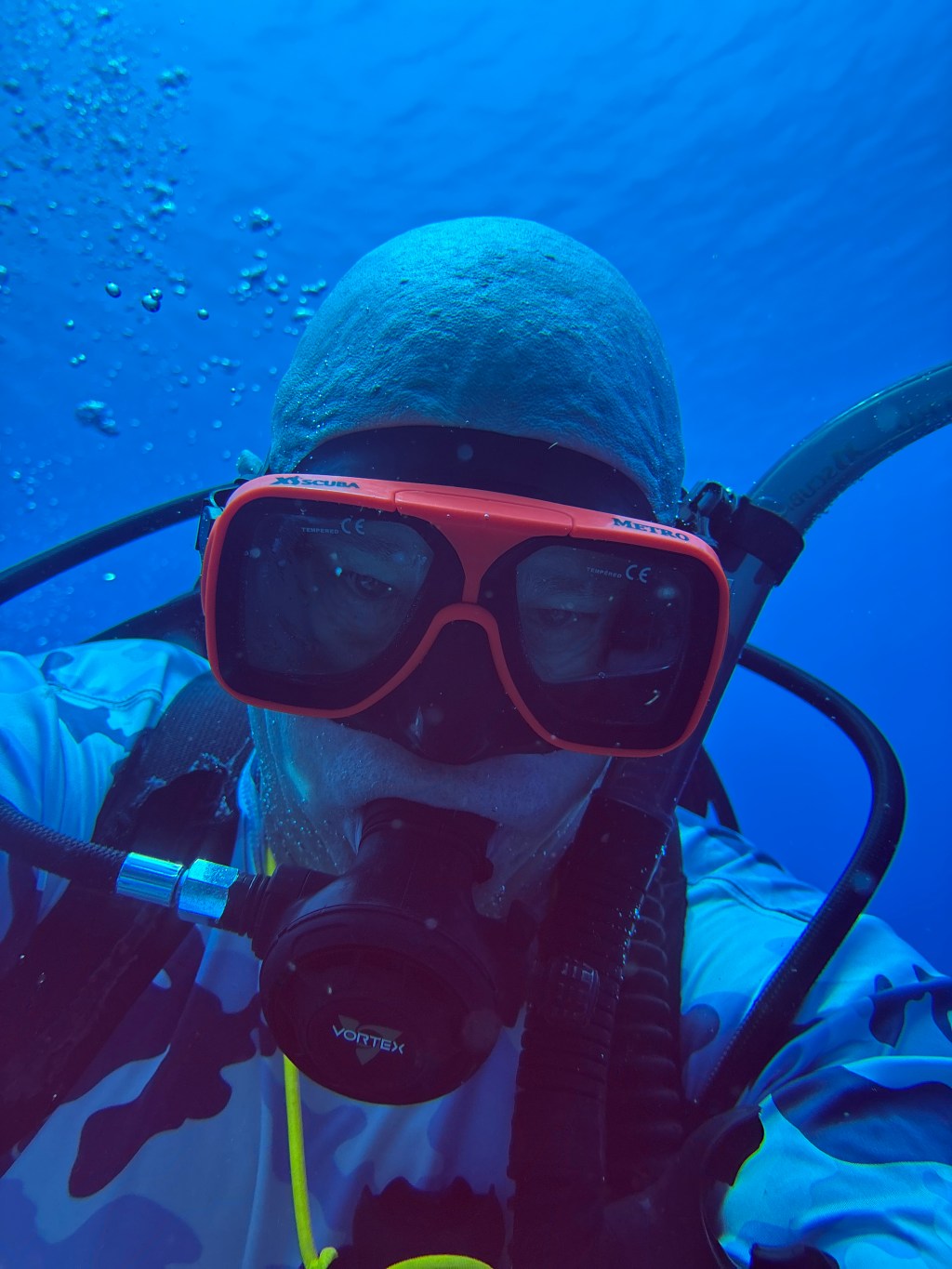
The Scuba Diving Solution Scuba diving offers a striking contrast to our digitally saturated lives:
- Enhanced Attention Span: The focus required in scuba diving improves concentration and mindfulness.
- Deeper Processing: Immersion in the underwater world encourages a deeper engagement with our surroundings.
- Reduced Distraction: The underwater environment minimizes digital distractions, promoting a single-task focus.
- Memory Enhancement: Vivid experiences in diving strengthen both short-term and long-term memory.
- Critical Thinking Boost: Navigating and managing diving equipment enhances problem-solving skills.
- Emotional and Psychological Relief: The tranquility of diving reduces stress and anxiety.
- Improved Sleep Quality: Physical exertion during diving promotes better sleep patterns.
- Reduced Tech Dependence: Scuba diving relies more on personal skills than technology.
- Depth in Learning: Diving involves experiential learning, offering depth in understanding marine life and ecosystems.
- Broadened Perspectives: Exposure to diverse underwater environments and marine life challenges preconceived notions.
Translating Diving Benefits to Everyday Life While not everyone can dive, we can apply these principles to our daily lives:
- Practice mindfulness techniques to enhance focus.
- Engage in activities that require full attention and deep thinking.
- Schedule regular digital detoxes to reduce dependence on technology.
- Participate in physical activities to improve mental and physical health.
- Seek out diverse experiences and viewpoints to broaden our perspectives.
In our quest to navigate the complexities of a hyperconnected world, scuba diving offers valuable lessons. By embracing some of these principles, we can improve our focus, deepen our learning, and enhance our emotional well-being. So, the next time you feel overwhelmed by the digital world, remember that the key to balance might just lie in the depths of the ocean.

 The Neptune Warrior
Leave a comment