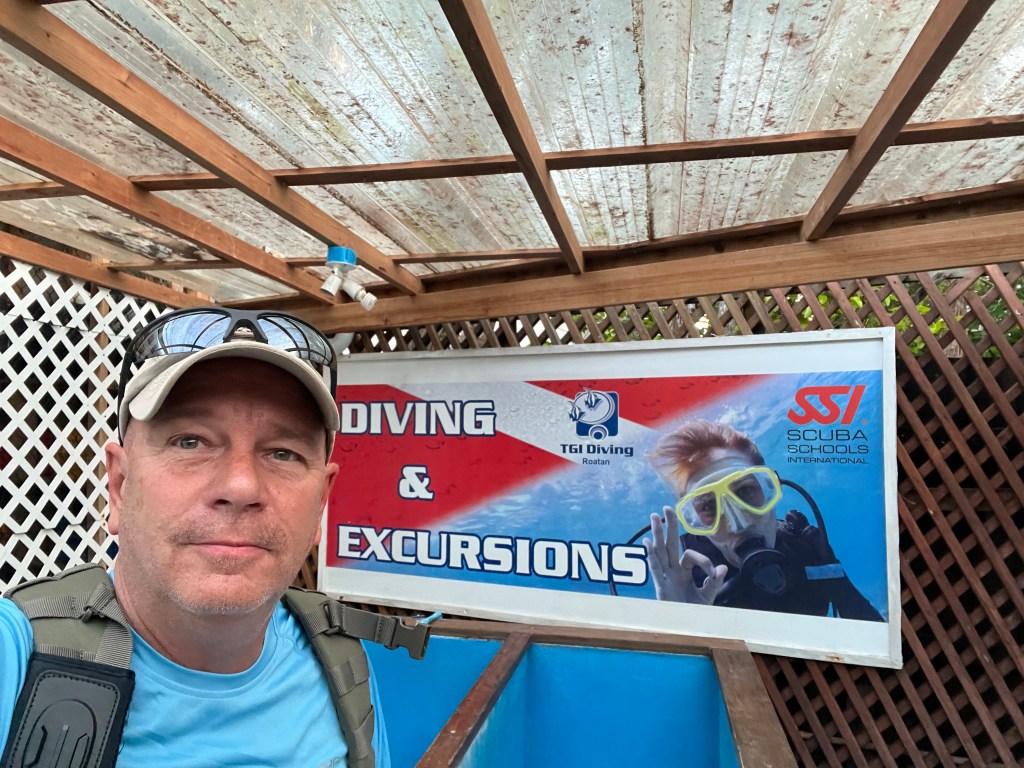
- Destination Research:
- Gather information on potential dive destinations including local dive sites, marine life, weather patterns, and seasonal variations.
- Consider factors such as travel advisories, political stability, and local regulations.
- Trip Duration and Schedule:
- Determine the duration of the trip including arrival and departure dates.
- Create a detailed itinerary outlining dive times, surface intervals, and other activities.
- Accommodation and Transportation:
- Arrange accommodations suitable for the group’s needs and budget, ensuring proximity to dive sites.
- Organize transportation from the airport to the accommodation and between dive sites if necessary.
- Equipment Check:
- Ensure all dive equipment is in good condition and complies with safety standards.
- Verify that each diver has their own gear or arrange for rental equipment as needed.
- Dive Site Selection:
- Select dive sites based on the group’s experience level, interests, and certification requirements.
- Consider factors such as currents, visibility, and marine life diversity.
- Safety Briefings and Emergency Procedures:
- Conduct pre-dive safety briefings covering dive plans, buddy system, hand signals, and emergency procedures.
- Provide information on local emergency services, medical facilities, and evacuation procedures.
- Environmental Conservation:
- Educate divers on responsible diving practices and environmental conservation efforts.
- Encourage adherence to marine park regulations and guidelines for interacting with marine life.
- Documentation and Permits:
- Obtain necessary permits and permissions for diving activities, including marine park fees or permits for protected areas.
- Ensure all divers have required certifications and medical clearance to dive.
- Emergency Response Plan:
- Develop a comprehensive emergency response plan covering scenarios such as diver emergencies, equipment failure, and adverse weather conditions.
- Assign roles and responsibilities to team members for executing the emergency plan effectively.
- Communication Plan:
- Establish communication protocols between dive master, boat crew, and divers.
- Provide divers with emergency contact information and ensure access to communication devices such as radios or satellite phones.
- First Aid Kit and Oxygen Therapy:
- Pack a well-equipped first aid kit with supplies for treating common injuries and ailments.
- Ensure availability of emergency oxygen therapy equipment and trained personnel to administer it.
- Dive Log and Debrief:
- Maintain a dive log to record details of each dive including dive site, depth, duration, and marine life sightings.
- Conduct post-dive debriefings to discuss experiences, lessons learned, and areas for improvement.
- Weather Monitoring:
- Monitor weather forecasts and sea conditions regularly to assess suitability for diving activities.
- Be prepared to modify dive plans or postpone activities in case of adverse weather conditions.
- Customer Service and Satisfaction:
- Prioritize customer satisfaction by addressing concerns, providing assistance, and creating a positive diving experience.
- Encourage feedback from divers to continuously improve trip planning and execution.
- Follow-Up and Review:
- Follow up with divers after the trip to gather feedback and testimonials.
- Conduct a post-trip review to evaluate the success of the trip, identify areas for improvement, and plan future dive trips.
Discover more from The Neptune Warrior
Subscribe to get the latest posts sent to your email.



 The Neptune Warrior
Leave a comment