
As I sit in my boat on the river today, the gentle rock of the waves beneath me, I find myself contemplating the turbulent times that have suddenly capsized my life. Just a week ago, in an abrupt and unforeseen turn, I was let go from my job. The shock of it sent ripples through my existence, leaving me adrift in a sea of uncertainty. Now, I’m navigating the murky waters of job hunting, where I seem to be either too much or not enough, and the once-plentiful opportunities appear as scarce as oases in a desert.

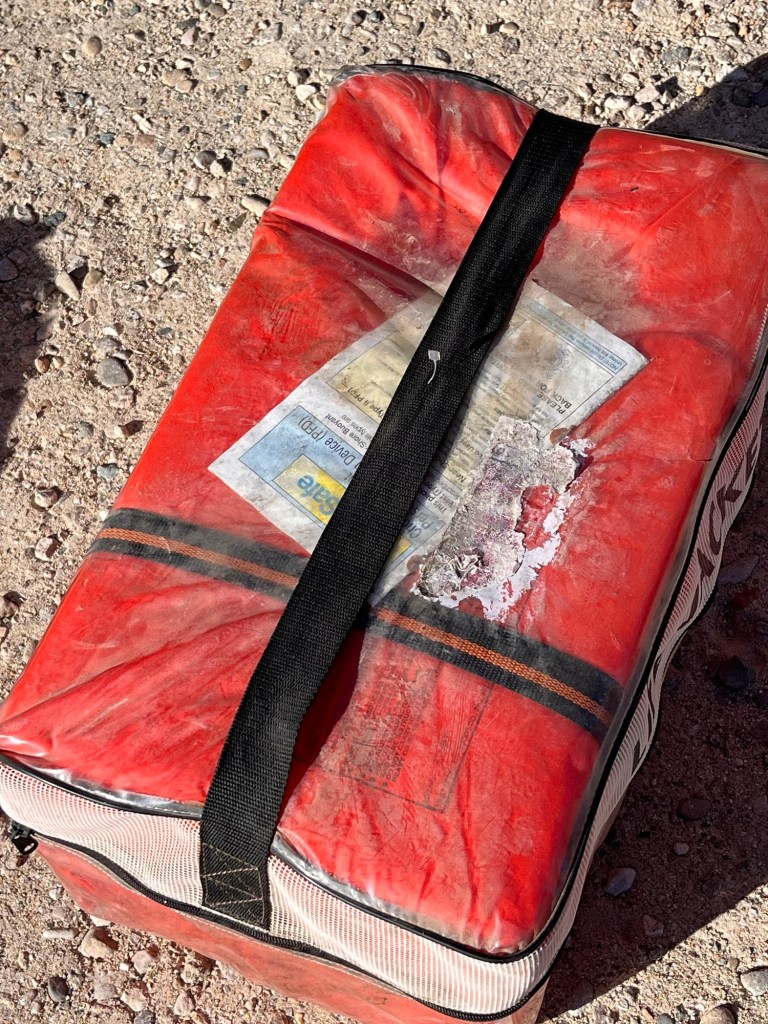
The financial tide is going out too, with my savings trickling away like sand through my fingers. In this moment of quiet solitude, away from the stormy chaos, I’m searching for my life jacket—those supports and strategies that will keep me afloat in this overwhelming sea of change.
Today, this boat, this river, they are more than just a physical escape; they are a lifeline, giving me the headspace and break I desperately need to find my bearings in the tempest that life has thrown my way.
As I reflect on the concept of a life jacket in the context of my current struggles, I’m reminded of the importance of preparedness and resilience, of having that buoyancy aid ready before the storm hits. This metaphor, which I’ve come to see as a guiding principle, has taken on a new depth of meaning as I face these turbulent times.
In the vast ocean of life, we all navigate through a spectrum of experiences, some calm and serene, others tumultuous and challenging. The concept of a life jacket, often associated with safety and survival in water, provides a powerful metaphor for understanding and managing depression, a common yet profound mental health struggle faced by many.
Like a ship voyaging through unpredictable seas, individuals journey through life’s varying circumstances. During the stormy phases, when depression hits like a relentless wave, the life jacket represents the essential support systems and coping mechanisms we rely on. These are the friendships, family connections, therapy, and personal wellness practices that keep us afloat, preventing us from being submerged by the overwhelming force of our emotions. Just as a life jacket provides buoyancy amidst overpowering waves, these supports offer the necessary stability and hope, helping us navigate through the dark waters of depression.
However, life’s sea is not always stormy, and it’s in these periods of calm that the true value of the life jacket metaphor extends its significance. Wearing a life jacket even when the waters are tranquil might seem excessive at first glance. Similarly, in times of good mental health, maintaining our support systems and coping mechanisms might not seem urgent. But the sea, much like life, is unpredictable. Calm waters can swiftly become a raging storm. Thus, keeping our life jacket on — staying connected with our support network, practicing self-care, and engaging in therapy or counseling — is a proactive measure, a safeguard against the unforeseen emotional storms that might arise.
This approach emphasizes the importance of mental health preparedness. By consistently wearing our “life jacket,” we build resilience and equip ourselves with the tools to face life’s challenges. This preparedness is not about living in fear of potential storms but about embracing the wisdom that life’s dynamics can change rapidly, and having our life jacket on means we’re better equipped to face whatever comes our way.
In conclusion, the metaphor of the life jacket in the context of mental health serves as a potent reminder of the need for continuous self-care and support. It underscores the idea that being proactive in maintaining our mental wellness, even during times of calm, is crucial. Like a vigilant sailor who respects the unpredictability of the sea, we too must remain prepared, ensuring our life jacket is securely fastened, ready to face the ever-changing tides of life with resilience and hope.



 The Neptune Warrior
Leave a comment