
As I sit by the campfire, the gentle warmth soothes my weary spirit, offering a brief respite from the relentless pressure that’s been shadowing me. Here, in the solitude of nature, I’m confronting the abyss of PTSD, a battle that’s both internal and elusive. But amidst the crackling flames and the quiet of the forest, I find solace in something tangible and grounding: the creative tasks nestled within my canvas rucksack.

In this bag lies my escape—materials for projects that demand no more than 120 minutes of my focus. Whether it’s crafting a knife case, carving a fork or spoon from a piece of wood, working on leather craft, or sewing, these activities tether me to the present, pulling my mind away from the shadows of stress and worry. Tonight, as the fire dances and casts its glow on the surroundings, my project is sewing a new ditty bag for the tools and components I carry into the woods.
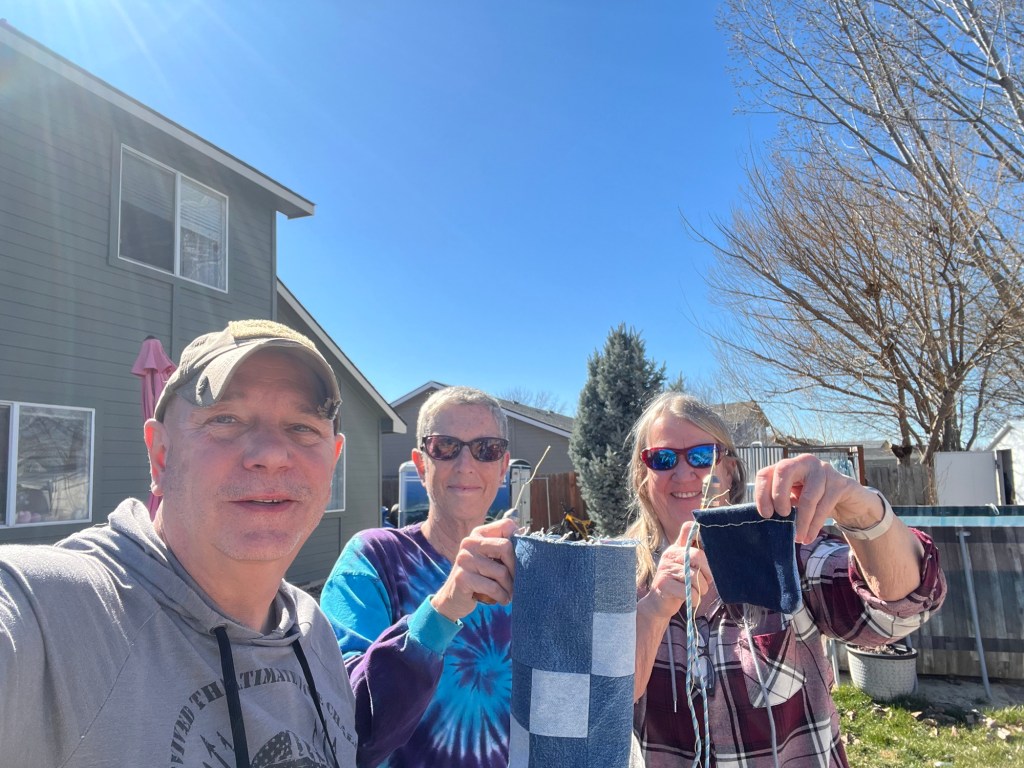
These two-hour projects fill my day, occupying my mind and sparing me from the relentless tide of anxiety. This practice of engaging with hands-on tasks has not only been my refuge but has also woven into the fabric of my work as a scuba instructor. I’ve introduced my students, many grappling with anxiety and traumatic brain injuries, to similar projects on land. From sewing their own gear bags to attaching name tapes to backpacks or patches to jackets, these activities provide practical and therapeutic benefits.
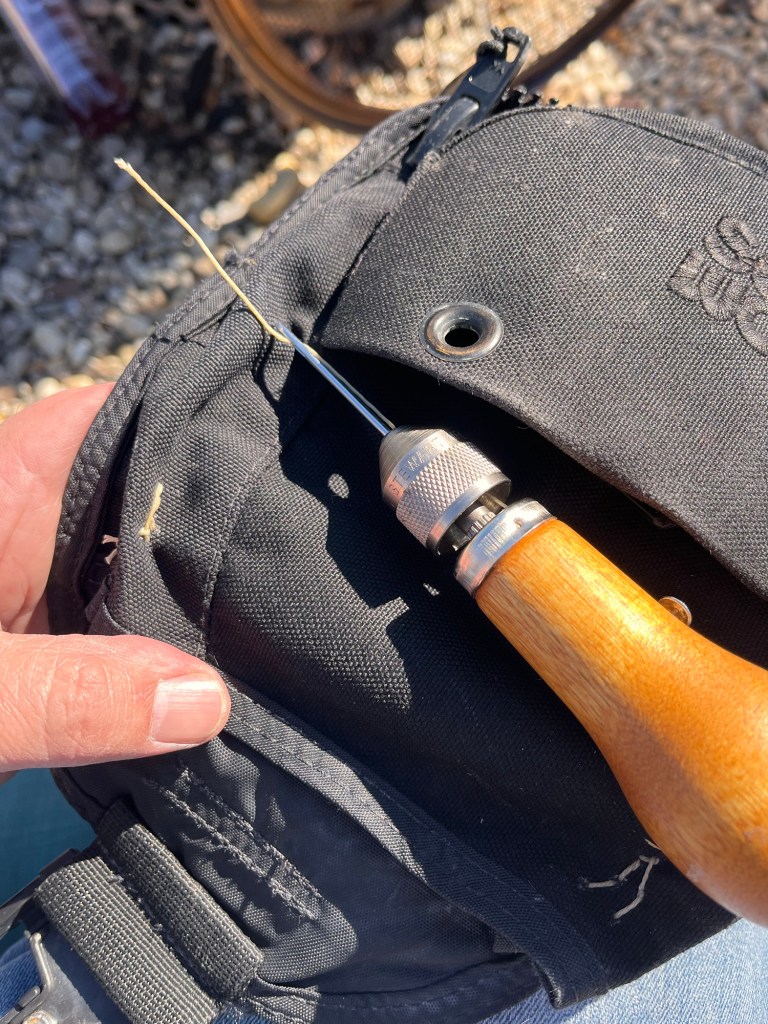
Learning to sew not only prepares them for potential on-site dive gear repairs, using their Speedy Stitcher to fix a weight pouch or strap, but more profoundly, it facilitates a mental rewiring. The manual dexterity involved, combined with the calm that comes from this engrossing activity, mirrors the peace and focus they need underwater. It’s a dual victory: saving dives with quick repairs and nurturing a serene, focused mind that thrives beneath the surface, illustrating the powerful interplay between manual skill and mental health.
The rhythmic dance of needle and thread not only mends fabrics but also weaves a tapestry of mental tranquility. Sewing, a time-honored craft, extends beyond its practical utility, serving as a conduit for mental health and brain rewiring. This blog delves into the therapeutic realms of sewing, exploring its impact on mental well-being and the brain’s adaptability.
Sewing as a Path to Mental Health:
Sewing demands focus and precision, qualities that anchor the mind in the present and ward off the tendrils of anxiety and stress. The repetitive motion of threading a needle and stitching fabric can lead to a meditative state, reducing anxiety and promoting a sense of calm. Engaging in sewing allows for a temporary escape from the whirlwind of thoughts, offering a peaceful refuge for the mind
The Brain’s Rewiring Symphony:
Neuroplasticity, the brain’s ability to reorganize itself, plays a crucial role in how sewing can alter mental landscapes. This adaptability means that repetitive, mindful activities like sewing can strengthen and create new neural pathways, reducing the brain’s inclination towards anxiety and depressive states. The focused attention required in sewing stimulates areas of the brain involved in fine motor skills and creativity, fostering a healthy cognitive environment conducive to mental well-being
The Healing Stitches of Sewing:
The act of sewing is not just a physical task but a form of expressive art, allowing for emotional release and self-expression. It offers a tangible sense of accomplishment and enhances self-esteem, counteracting feelings of worthlessness often associated with depression. The creation of something beautiful or functional from simple materials can instill a sense of pride and achievement, key components in building resilience and combating mental health challenges
A Tapestry of Community and Connection:
Sewing, often a communal activity, provides a platform for social interaction and support, crucial elements in maintaining mental health. Sewing circles or classes foster a sense of community and belonging, helping to alleviate feelings of isolation and loneliness, which are significant contributors to mental health disorders.
Conclusion:
Sewing intertwines the threads of mindfulness, creativity, and community, crafting a quilt of mental well-being that drapes its comforting embrace around those who engage in it. As we navigate the fabric of life, sewing emerges not just as a craft, but as a vital tool in the journey toward mental health and brain resilience. Through the simple act of sewing, we can stitch together a narrative of healing, rewire our brains, and embroider the very essence of tranquility into our lives.


 The Neptune Warrior
Leave a comment