
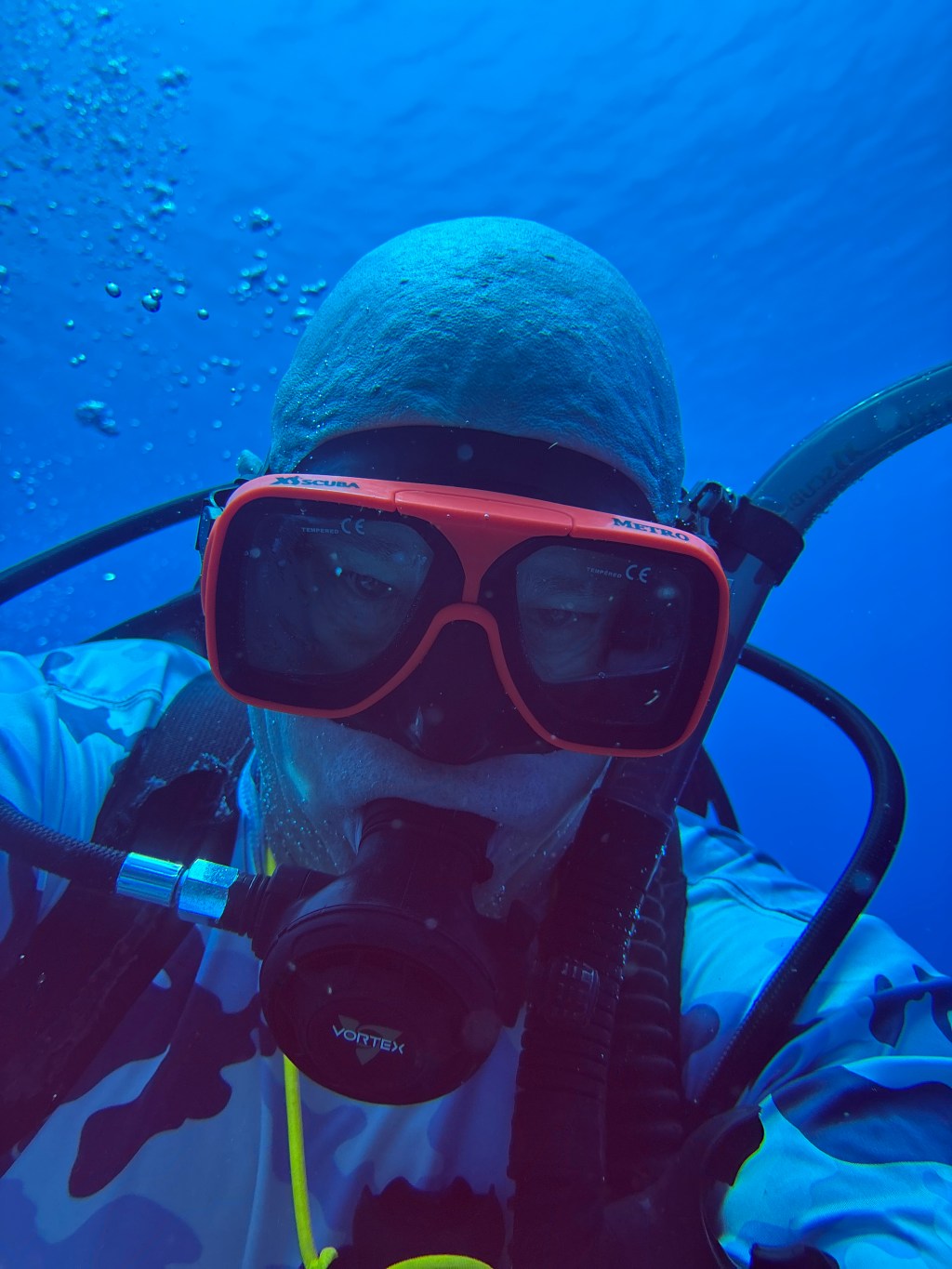
As a professional dive instructor, leading students into the underwater world is not just about the thrill and education of diving—it’s about ensuring everyone’s safety, both underwater and at the surface. Every dive trip begins and ends with a boat journey, making boating safety an integral part of our dive planning process. This is why, for me, filing a float plan is not just a boating protocol; it’s a critical safety net for my divers and dive masters. A float plan communicates our exact plans to someone on shore who can initiate a timely rescue if we don’t return as scheduled. It details our location, expected return time, and the specifics of our dive group. This isn’t just about adhering to boating safety standards; it’s about protecting lives in the dynamic and often unpredictable marine environment where we work and explore.
Boating, whether for leisure, fishing, or exploration, is a popular activity around the world. However, it comes with inherent risks, from mechanical failures to unexpected changes in weather. One of the most effective tools for enhancing safety on the water is the float plan.
What is a Float Plan?
A float plan is a detailed account of your boating trip, including departure and return times, route, and the names of passengers. It acts like a roadmap for search and rescue teams in case you do not return as scheduled. The importance of filing a float plan cannot be overstated, as it significantly increases the chances of a successful rescue if an emergency occurs
Life-Saving Evidence
Instances where float plans have directly contributed to saving lives are numerous. For example, a float plan was pivotal in the rescue of five boaters who found themselves stranded 23 miles off the coast of Marco Island. Their ability to maintain communication with family, guided by the details in their float plan, allowed the Coast Guard to efficiently locate and rescue them.
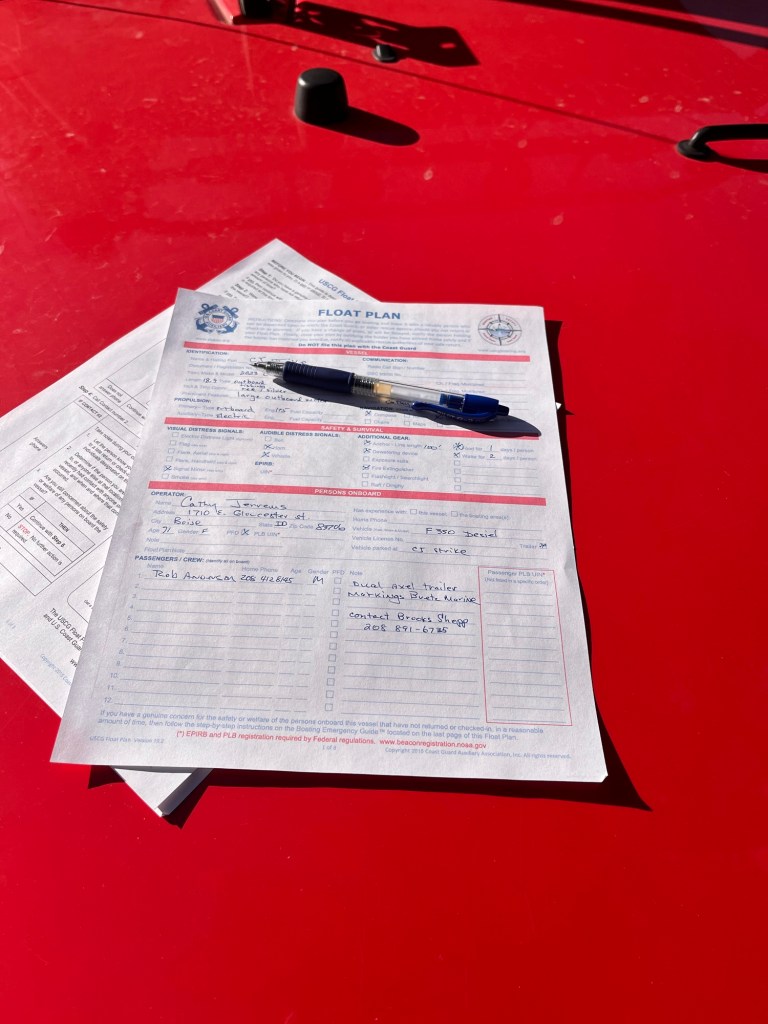
In another detailed account, a boater who failed to return from a fishing trip prompted a swift response from the Coast Guard. Despite limited initial information, the existence of a float plan would have dramatically improved the search efforts, highlighting the plan’s value in enhancing the effectiveness of search and rescue operations.
Statistical Backing
While it is challenging to quantify the exact number of lives saved due to float plans, their impact on boating safety is significant. The U.S. Coast Guard’s statistics on boating accidents and fatalities underscore the risks associated with recreational boating. In 2022, there were 636 boating fatalities, a decrease from the previous year, but still a significant number. These statistics serve as a stark reminder of the unpredictability and potential dangers of boating, further emphasizing the importance of float plans
A Call to Action
The recurring theme in boating safety narratives is the vital role of preparedness, of which the float plan is a key component. Not only does it provide search and rescue teams with crucial information, but it also promotes a culture of safety among boaters. As noted by boating safety specialists, the act of preparing a float plan encourages boaters to think through their trip in detail, consider safety equipment, and communicate their plans effectively.
In conclusion, the success of float plans in saving lives is well-documented and serves as a testament to their value in boating safety. Boaters are strongly encouraged to make float planning a standard part of their trip preparations, ensuring a higher level of safety for themselves and their passengers on every journey.


 The Neptune Warrior
Leave a comment