
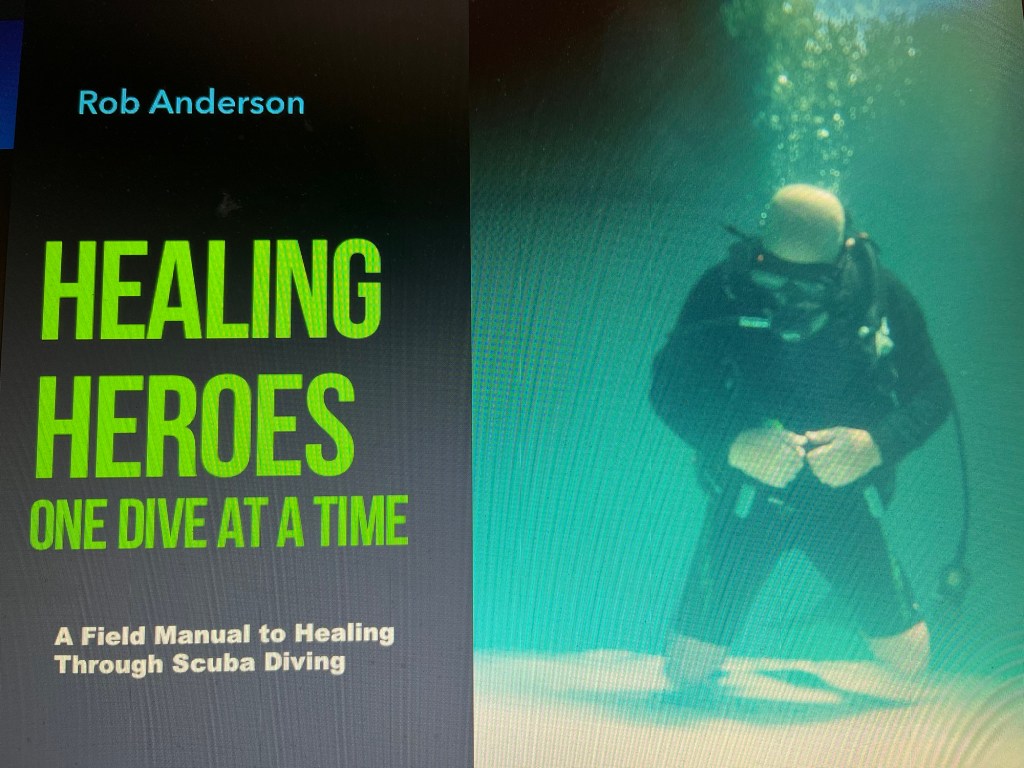
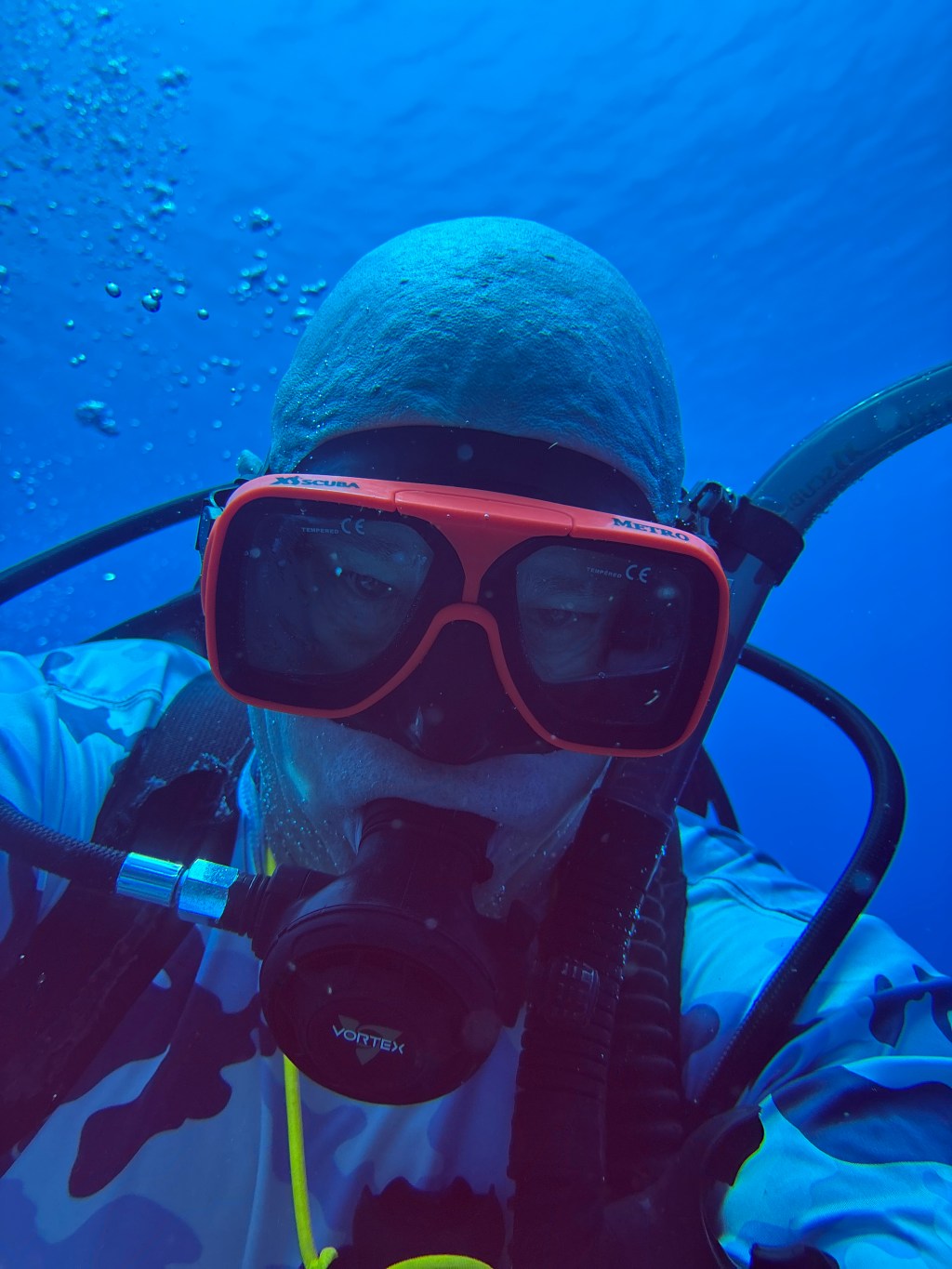
As I rest between sets of laps at the local YMCA, I can’t help but reflect on my deep connection with water. It has been my sanctuary from bullies, my equalizer in the face of adversity, and my avenue to physical and mental wellness. To me, water is both a protector and a nurturer. Swimming is just one facet of my relationship with this incredible element. Kayaking, fishing, scuba diving, and boating also play significant roles in my life, but it’s the immersion in water that feels most intimate. Like a lover, I relish its embrace, the breathlessness that follows blissful physical exertion, and the tranquil silence of our shared bonding moments. Water, in all its forms, has shaped my journey, offering solace, strength, and a sense of belonging.
Swimming is an activity that humans have engaged in for thousands of years, with a rich and varied history. Here’s an overview of how swimming has evolved over time:
Ancient Beginnings
- Prehistoric Evidence: Archaeological evidence, like cave paintings in Egypt dating back to around 4000 BCE, depicts people swimming. These images suggest that swimming was already an established activity in ancient civilizations.
- Ancient Civilizations: Greeks and Romans practiced swimming, and it was part of their education. Greek mythology even includes stories of gods and heroes who were skilled swimmers. Romans built elaborate baths and pools, showcasing the importance of swimming in their culture.
Middle Ages to 18th Century
- Europe: During the Middle Ages, swimming declined in popularity in Europe, partially due to the association of public baths with disease. However, by the 18th century, swimming started to regain popularity as books about swimming techniques were published.
- Japan: Swimming has a long history in Japan, where it was both a survival skill and a martial art. The samurai class practiced swimming to be prepared for combat.
19th Century – The Competitive Edge
- Modern Swimming Competitions: Organized swimming competitions began to take place in the early 19th century in Europe. The National Swimming Society in London, founded in 1837, held swimming races in artificial pools, which marked the beginning of competitive swimming.
- Swimming Techniques: The breaststroke was the most common swimming style initially. However, other styles, like the front crawl, were developed and popularized over time, especially as international competition grew.
20th Century – Olympic and Professional Swimming
- Olympic Games: Swimming became one of the original sports in the first modern Olympic Games held in Athens in 1896. Initially, only men were allowed to compete, but women’s swimming events were added in 1912.
- Technological Advances: Throughout the 20th century, improvements in swimwear, pool design, and training methods significantly improved performance and popularized swimming as both a competitive sport and a recreational activity.
21st Century – Global and Inclusive Sport
- Global Popularity: Today, swimming is one of the most popular sports worldwide, with millions participating in various levels of competition or as a recreational activity.
- Inclusivity and Innovation: Advances in technology and training continue to evolve, and there’s a strong emphasis on making swimming accessible to everyone, regardless of age, ability, or background.
The history of swimming is a testament to its enduring appeal and importance in human culture, evolving from a survival skill to a competitive sport and a means of recreation and fitness.
Way of the Warrior
Swimming as a Japanese martial art, known as “Suijutsu” or “Nihon Eiho,” reflects a unique aspect of Japan’s warrior traditions. It was developed primarily by the samurai class and integrated into their martial arts training, emphasizing not just physical strength and skill in water but also strategic and survival elements.
- Samurai Training: For samurai, swimming was a vital skill, especially given the landscape of Japan, which is abundant in rivers and surrounded by the sea. They needed to be adept at swimming for combat scenarios that involved crossing water bodies or engaging in battles near or in water.
- Eiho: Eiho (swimming techniques) or Suijutsu was systematically taught as part of the bujutsu (martial arts) training. These techniques included swimming in full armor (Katchu Eiho), which was a testament to the samurai’s prowess and adaptability.
Techniques and Skills
- Armored Swimming (Katchu Eiho): This involved learning to swim while wearing full armor, a skill that was crucial for samurai during wartime to cross rivers or moats during sieges or assaults.
- Stealth and Efficiency: Samurai were trained in stealth swimming techniques to approach enemy positions undetected, emphasizing silent movement and minimal water disturbance.
- Rescue and Lifesaving: Beyond combat, these swimming skills were also essential for rescue operations and saving lives during floods or maritime accidents, which were common in the island nation.
Modern Interpretation and Legacy
- Martial Art and Sport: Today, while the martial aspect of suijutsu is less emphasized, the sport and discipline of swimming in Japan still retain some elements of these traditional skills, especially in lifesaving and competitive swimming techniques.
- Cultural Significance: The art of suijutsu is preserved in certain martial arts schools and is considered an important part of Japan’s cultural heritage, symbolizing the samurai spirit and the historical significance of swimming skills in Japanese warfare and daily life.
In summary, as a Japanese martial art, swimming (suijutsu) was an essential skill for the samurai, encompassing combat techniques, survival skills, and strategic thinking. Its legacy continues to influence swimming practices in Japan, reflecting a deep historical and cultural significance.
Mental Wellness and Swimming
Swimming is widely recognized for its mental wellness benefits, offering both psychological and emotional relief. Here’s how swimming contributes to mental well-being:
Stress Reduction
- Relaxation Response: Swimming can induce a meditative state, where repetitive strokes and rhythmic breathing help calm the mind and reduce stress.
- Endorphin Release: Physical activity like swimming triggers the production of endorphins, the body’s natural feel-good hormones, which can create a sense of euphoria and happiness.
Enhances Mood
- Mood Improvement: Regular swimming sessions are linked to improved mood and lower rates of depression and anxiety. The buoyancy of water provides a sense of weightlessness and freedom, helping to alleviate mental burdens.
- Mindfulness and Focus: The concentration required for swimming, focusing on technique and breath control, helps divert attention from daily worries, promoting mindfulness and present-moment awareness.
Cognitive Benefits
- Mental Clarity: Swimming has been shown to boost brain function and improve memory, cognitive flexibility, and attention span. The increased blood flow to the brain during exercise contributes to these cognitive enhancements.
- Sleep Quality: Regular swimmers often experience better sleep patterns. Physical exhaustion from swimming, combined with its stress-reducing effects, contributes to a more restful sleep.
Social Interaction and Confidence
- Community and Social Bonds: Swimming in groups or joining swim clubs can foster social interactions, reduce feelings of isolation, and build a supportive community.
- Self-esteem and Body Image: As swimmers see improvements in their strength and endurance, they often experience a boost in self-esteem and a positive shift in body image.
Therapeutic Effects
- Aqua Therapy: Swimming and water-based exercises are used therapeutically for people with injuries, disabilities, or chronic pain, providing a low-impact way to rehabilitate and maintain physical health without undue stress on the body.
- Mental Resilience: Overcoming challenges in swimming, like mastering new techniques or completing laps, can enhance mental resilience and provide a sense of accomplishment.
In conclusion, swimming is a holistic activity that benefits mental wellness in numerous ways. Its combination of physical exertion, meditative repetition, and soothing water environment makes it an excellent activity for reducing stress, improving mood, enhancing cognitive function, fostering social connections, and building overall mental resilience.
Wrapping Up
As I reflect on the journey of swimming from ancient survival skill to a refined art of mental and physical wellness, I see my own path mirrored in its evolution. Like the samurai who honed their skills in the water, I draw strength from its depths, finding in its embrace the courage to face life’s battles. And as swimming promotes mental well-being, it reminds me that within its watery hold lies the clarity and peace I seek.
In conclusion, as the waters of history flow through the narrative of swimming, from ancient times through the disciplined waves of Japanese martial arts, to the healing currents of mental wellness, I find my story interwoven with its legacy. In the YMCA’s pool, between the quiet laps, I’m reminded that my most steadfast ally in facing life’s trials is the water. Its embrace is the solace I crave, the quiet strength that buoys me through life’s storms, proving time and again that my sanctuary, my equalizer, my healer, is none other than the water itself.


 The Neptune Warrior
Leave a comment