

Why Diving is Beneficial for Those on the Spectrum
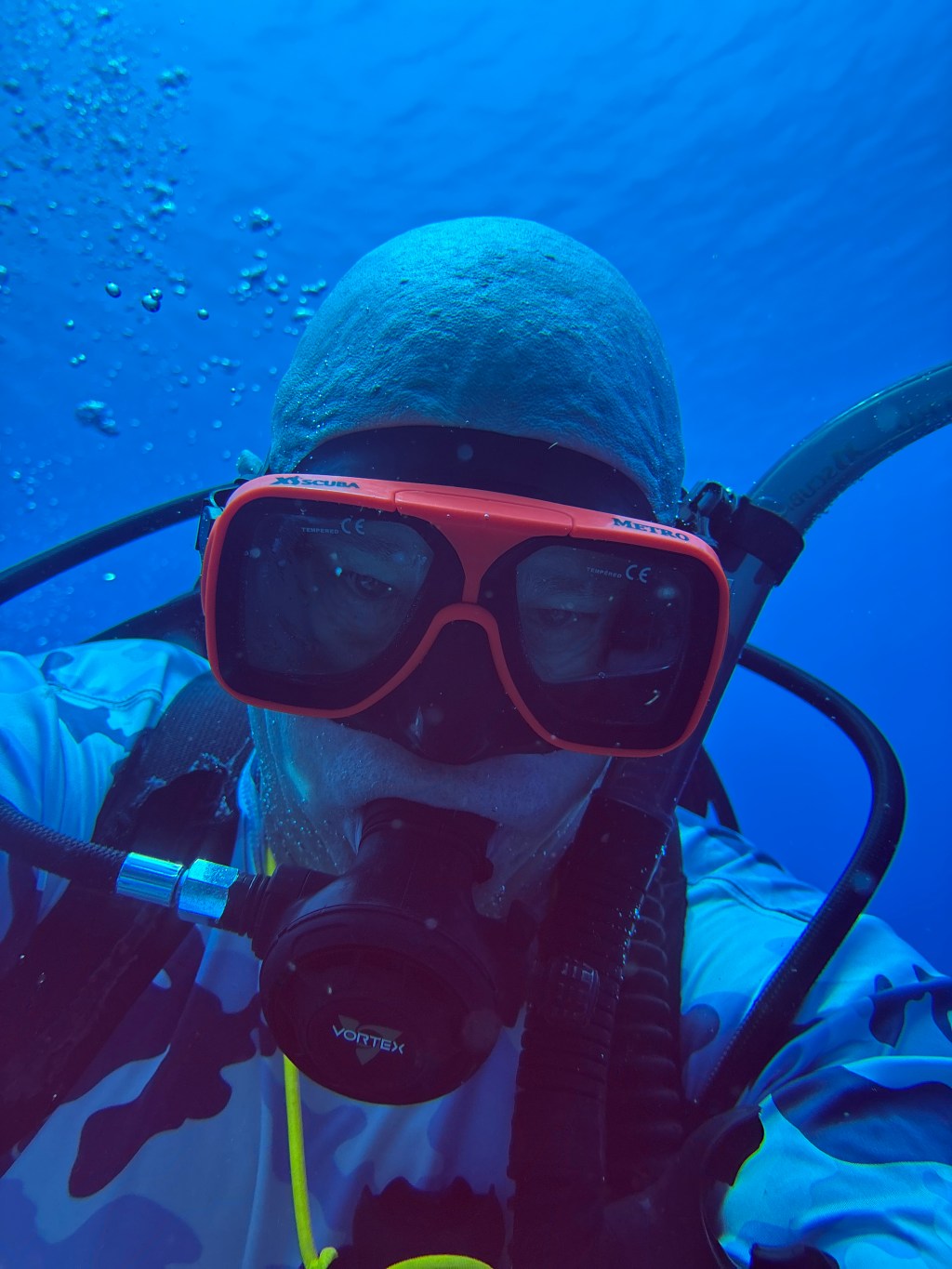
As a scuba instructor with more than two decades of experience, I have been privileged to guide many individuals into the tranquil depths of the underwater world. Among these individuals, those on the autism spectrum hold a special place in my practice. The unique challenges and immense rewards of teaching scuba diving to autistic divers have enriched my understanding and approach, drawing on parallels from my extensive work with veterans suffering from PTSD.
The Calming Embrace of the Water
For individuals with autism, the underwater environment can provide a peaceful refuge from the sensory overloads experienced on land. The gentle, encompassing pressure of the water often mimics a therapeutic technique used in sensory integration therapy, providing a soothing effect similar to a comforting hug. This sensation alone can make scuba diving particularly appealing and beneficial for those on the autism spectrum.
Structured Freedom
Scuba diving requires a certain level of structure and adherence to procedures, which can be very beneficial for autistic individuals. The sport teaches vital skills such as focus, motor coordination, and the ability to follow sequential steps, all within a context that feels incredibly freeing. Underwater, the constraints of gravity disappear, and divers can experience a sense of weightlessness and liberation not found on land.
Enhanced Communication and Confidence
The non-verbal nature of underwater communication through hand signals promotes an alternative form of expression that can be easier for some with autism who may struggle with verbal communication. Mastering these skills and being able to navigate the underwater realm can lead to significant boosts in self-esteem and personal confidence.
Addressing the Challenges with a Trained Buddy System
The success of a diving trip for an individual with autism often hinges on the presence of a buddy who is not only trained in diving safety but also sensitized to the specific needs of autistic divers. A buddy’s role is crucial, as they can help manage the equipment, interpret non-verbal cues, and provide reassurance, enhancing the diver’s safety and enjoyment.
It’s not uncommon in my practice to travel with an individual adult or a family to a destination to ensure the safety and comfort of a diver with autism. This personalized approach helps address safety concerns directly and allows for a tailored experience that can be adjusted in real-time based on the diver’s responses.
The Role of Travel and Family Involvement
Traveling to new and exciting dive sites can be a thrilling adventure for families, especially when it includes a family member with autism. These trips not only provide a chance to explore the wonders of the aquatic world but also allow families to bond over shared experiences and achievements. The inclusive nature of these trips reinforces the abilities and potential of autistic individuals, highlighting their capabilities rather than limitations.
Lasting Impact and Broadening Horizons
The impact of scuba diving on individuals with autism extends beyond the water. Many parents and caregivers report seeing improvements in areas such as communication, attention span, and social interaction after their children participate in diving activities. This could be attributed to the confidence gained and the skills developed in such a uniquely engaging environment.
Scuba Diving Suitability Checklist for Individuals with Autism
1. Individual Evaluation
- Every autistic individual is unique and must be assessed on a personal basis.
- Decisions should be made collaboratively by experienced dive instructors, physicians, and behavioral specialists involved in the individual’s care.
2. Assessment of Diving Suitability
- Natural Aptitude for Diving: Determine if the individual naturally adapts to the underwater environment with the appropriate support and accommodations.
- Risk Assessment: Evaluate whether the risks associated with diving are manageable or too high, considering the individual’s specific abilities and comorbidities.
3. Sensory Considerations
- Sensory Imbalances: Identify any sensory sensitivities that could lead to hyperreactivity or panic underwater, potentially causing dangerous situations.
4. Cognitive and Decision-Making Abilities
- Decision-Making: Assess the individual’s ability to make quick decisions, especially in monitoring critical aspects like air consumption, depth, and buoyancy.
- Cognitive Impairments: Take into account any cognitive challenges that might impair safe diving practices.
5. Physical and Behavioral Factors
- Repetitive Behaviors: Consider if behaviors such as tics or rocking could interfere with underwater skills, such as buoyancy control.
- Muscle Tone and Coordination: Evaluate challenges related to physical coordination which might affect diving skills.
6. Awareness and Communication
- Cue Responsiveness: Determine the diver’s ability to respond to visual and auditory cues essential for safe diving.
- Ear Equalization: Ensure the individual understands and can perform necessary ear equalization techniques frequently during a dive.
7. Additional Resources and Support
- Specialized Organizations: If the individual is deemed suitable for diving, connect with organizations that specialize in scuba diving for people with disabilities.
- Adaptive Scuba Instruction: Depending on the individual’s level of functioning, consider enlisting an adaptive scuba instructor to provide specialized training and support.
8. Review with Specialists
- This checklist is not exhaustive. Review and adapt it with input from specialists in autism spectrum disorders to ensure comprehensive assessment and support.
Final Notes
- Always prioritize safety and personal comfort, ensuring that every diving experience is tailored to the individual’s needs and capabilities.
- Regularly reevaluate the individual’s suitability for continued diving as their skills and conditions may evolve.
The intersection of scuba diving with therapeutic practices for autism and PTSD has revealed the profound potential of diving to serve as more than just a recreational activity. It is a powerful tool for transformation and healing. Each dive offers a new opportunity to celebrate the capabilities of divers on the autism spectrum, providing them with a sense of achievement and a deeper connection to the natural world.

 The Neptune Warrior
Leave a comment