
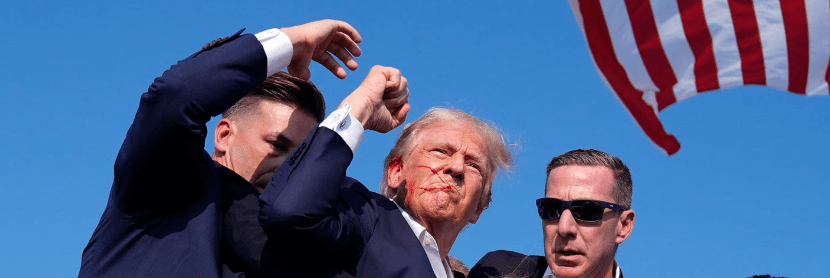
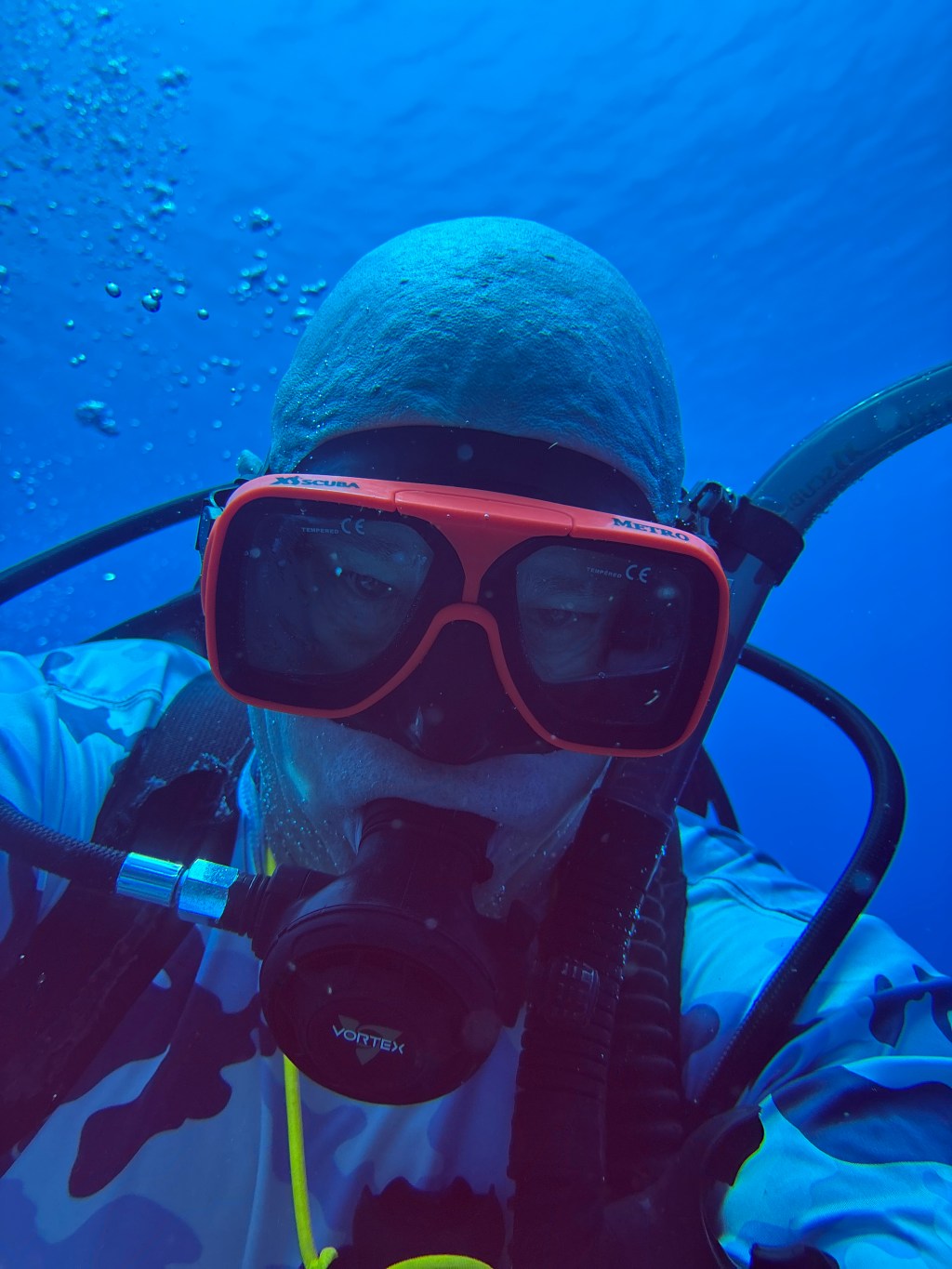
Sunday, the day after the attempted assassination of former President Trump, I needed a break. Overwhelmed by the news, I found myself feeling exhausted. I was irritable. I was falling back into patterns I hate myself for at times. I needed to be underwater. I planned to be up early and hit one of my local mud holes, but honestly the night of hyper-vigilance left me drained. So instead I opted to just chill out at our 2 pm splash time at the local YMCA with my other vets. I took the first hour to teach drysuit to one of my Master Scuba Diver candidates, the next hour just hanging out and allowing the water to swaddle me.
As veterans, the news of Saturday just hits different. For those of us who have deployed or supported missions to countries where hostile take-overs and coups are a regular part of the political environment, it strikes a place deep in us. We find ourselves analyzing the actions of the Secret Service, find ourselves judging tactics and response times, asking ourselves the questions no one else seems to ask, and finding faults and knowing we would have done it different. Some flash with anger over snarky social media comments, while others feel we are at times on the brink of a civil war if we don’t reunite.
As vets we gravitate to news and social media to glean any kind of information. Its our drive to gather intel. Its a trait we learn to better our chances of survival. News events, especially those involving violence, disasters, or military actions, can significantly impact veterans with PTSD. Here’s how:
- Triggering Memories: News that resembles a veteran’s traumatic experiences—like combat or terrorism—can trigger intense memories. This re-experiencing can manifest as flashbacks, nightmares, or overwhelming emotions.
- Heightened Vigilance: Certain news events can heighten a sense of threat, leading to increased vigilance. This might mean being overly alert or on edge, which can be exhausting and stressful.
- Emotional Responses: Reports of war or veteran affairs can elicit strong emotional responses, such as anger, sadness, or frustration. These feelings can be compounded by a sense of helplessness or connection to those currently serving.
- Impact on Mental Health: Continuous exposure to stressful news can exacerbate PTSD symptoms, leading to anxiety, depression, or worsening mental health overall.
- Isolation: For some, the solution to managing these triggers may involve withdrawing from social activities or media consumption, potentially leading to isolation and loneliness.
- Community Impact: Positive news related to veteran support or commemorations can foster a sense of community and understanding, providing relief and a positive impact. Conversely, negative portrayals or news can feel alienating.
Diving offers a unique form of escape and stress relief that can be particularly beneficial during times of overwhelming news. Here’s how diving can help reduce stress related to current events:
- Environmental Disconnection: Underwater, the noise of the world above is literally muffled. This physical separation from daily life, including the constant flow of news, provides a mental break and helps reduce stress and anxiety.
- Mindfulness and Presence: Diving requires focus on breathing and the immediate environment, which encourages mindfulness. This focus on the present moment can help divert attention away from distressing thoughts related to news events, fostering a sense of calm.
- Physical Activity: Diving is a form of exercise, and like all physical activities, it can help reduce levels of the body’s stress hormones, such as adrenaline and cortisol. It also stimulates the production of endorphins, the body’s natural painkillers and mood elevators.
- Beauty and Tranquility: The underwater world is noted for its beauty and tranquility. Observing marine life and the serene environment can be inherently soothing and offers a perspective that might contrast sharply with the conflict and negativity often featured in the news.
- Social Support: Diving is usually a social activity, conducted with buddies or groups. This social aspect can offer support, as sharing experiences with others who understand the unique tranquility of diving can enhance emotional well-being.
- Sense of Control and Achievement: Learning new skills and mastering them, such as diving techniques and safety procedures, can improve self-efficacy. Achieving diving certifications or exploring new sites can also provide a sense of control and accomplishment, counteracting feelings of helplessness that may arise from distressing news.
As I found tranquility in the water it took my mind off the current event, giving my mind a break and allowing me to reset. Did it cure everything? No, but it did allow me time to let the chemical cocktail in my head to ease a bit. I traded terrain for time, time I needed to get away from all the network and social media stimulants.
For veterans with PTSD or individuals stressed by current events, diving programs like Neptune Warrior not only provide these benefits but also tailor experiences to address specific mental health needs, enhancing the therapeutic effects of being underwater.
I will post a podcast on this later https://shows.acast.com/one-dive-at-a-time


 The Neptune Warrior
Leave a comment