
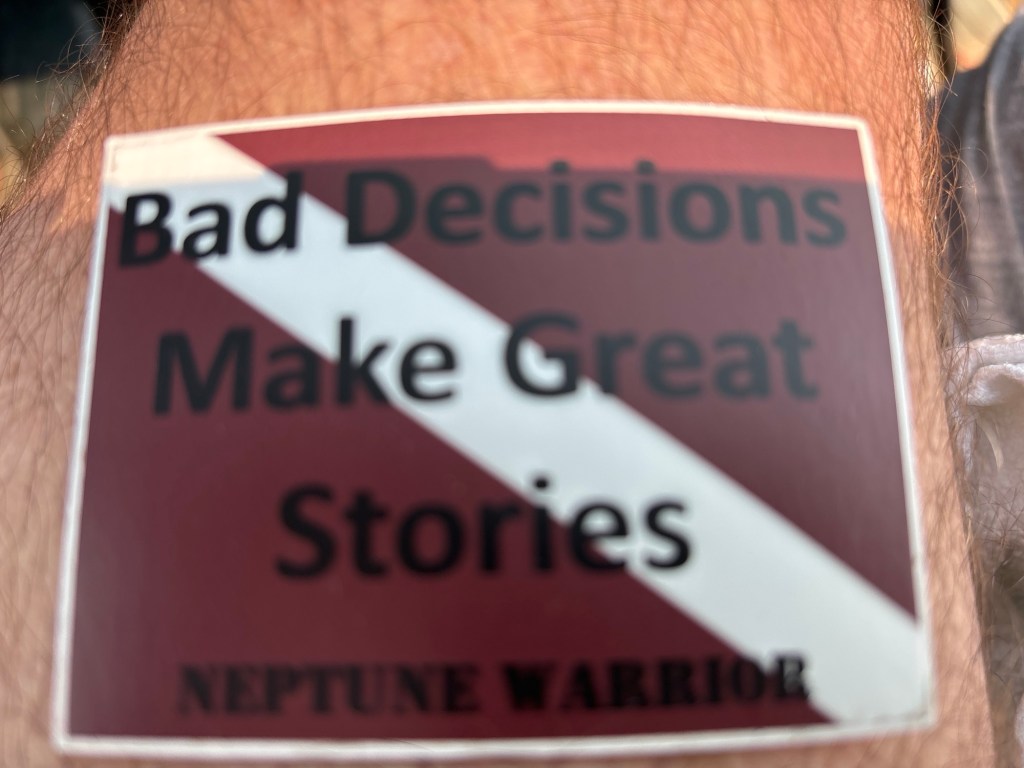
I gave out this sticker the other night and like so many of our stickers, they are a little tongue in cheek, mixed with poor taste, but allot of life lesson blended together in a morale based self-adhesive. (By the way – click to check the podcast)
Bad decisions make great stories. It’s a phrase we all know, and for good reason. Every misstep, every wrong turn, and every moment of uncertainty shapes us into who we are today. Think about it—how often do we find ourselves sharing tales of those times we thought we had it all figured out, only to be proven hilariously, sometimes painfully, wrong?
Our stories define us, not just the polished moments of success, but the raw, unfiltered experiences of failure and folly. Those bad decisions? They’re the colorful threads in the fabric of our lives, weaving lessons and laughter into our journey. They remind us of our humanity, our resilience, and our ability to grow.
When we share these stories, we offer a glimpse into our past selves—showing where we were and how far we’ve come. They’re not just cautionary tales; they’re milestones marking our progress. Each one is a testament to our capacity to learn, to adapt, and to ultimately thrive.
So, embrace those moments of poor judgment and misadventure. They are the chapters in your life’s book that everyone wants to read. They make our journey relatable, our growth visible, and our successes all the sweeter. After all, the best stories are often born from the worst decisions.
From Surviving to Thriving: How Veterans Can Harness Their Stories
For many veterans, the transition from military to civilian life is fraught with challenges and rough patches. However, embracing the philosophy that bad decisions make great stories can be a powerful tool in moving beyond mere survival to truly thriving.
Here’s how this perspective can help veterans:
Acknowledging and Learning from Mistakes
Normalizing Imperfection: Veterans often hold themselves to high standards and may feel shame or guilt over past mistakes. Recognizing that everyone makes bad decisions helps normalize these experiences and reduces self-blame. It’s important to understand that making mistakes is a part of being human.
Reflective Learning: By reflecting on past decisions, veterans can extract valuable lessons, understand what went wrong, and apply these insights to future situations. This reflective practice fosters continuous personal growth and helps veterans avoid repeating the same mistakes.
Building Resilience and Mental Strength
Resilience Through Adversity: Veterans have often faced intense and challenging situations. Viewing these experiences as stories of resilience helps reinforce their inner strength and capacity to overcome difficulties. Each story of a bad decision is a testament to their ability to adapt and survive.
Mental Toughness: Understanding that they have navigated and survived rough patches can enhance veterans’ confidence in their ability to handle future challenges. This promotes a mindset of thriving rather than merely surviving, as they recognize their own resilience and strength.
Creating Connection and Community
Shared Experiences: Sharing stories of bad decisions can create a sense of camaraderie among veterans. Many will have faced similar challenges, and this shared understanding fosters deeper connections and a supportive community. It’s in these shared stories that veterans find solidarity and support.
Peer Support: By discussing their experiences, veterans can provide and receive peer support, reducing feelings of isolation and reinforcing a sense of belonging. This support network is crucial for mental wellness and recovery.
Finding Humor and Perspective
Humor as a Coping Mechanism: Veterans can use humor to reframe negative experiences, making them more manageable and less overwhelming. Laughing at past mistakes can provide relief and a more positive outlook, helping to ease the burden of those memories.
Perspective on Growth: Recognizing how far they’ve come since making those bad decisions can give veterans a sense of accomplishment and perspective on their growth and development. It highlights their journey and the progress they’ve made, reinforcing a sense of pride and achievement.
Storytelling as Therapy
Narrative Therapy: Sharing their stories allows veterans to process their experiences, gain insight, and find meaning in their struggles. This therapeutic approach can be deeply healing and empowering, helping veterans to come to terms with their past.
Legacy Building: Veterans can create a legacy of resilience and wisdom by sharing their stories with others, offering guidance and inspiration to those who might be facing similar challenges. These stories become a powerful tool for mentorship and support.
Inspiring Others
Role Models: Veterans who openly discuss their bad decisions and the lessons learned become role models for others, showing that it is possible to overcome adversity and thrive. Their stories can inspire and motivate others to keep pushing forward.
Mentorship: By mentoring younger veterans or those newly transitioning to civilian life, experienced veterans can use their stories to provide valuable lessons and hope. This mentorship fosters a cycle of support and growth, helping others to navigate their own challenges.
Practical Applications in Life and Work
Adaptation and Innovation: Learning from past mistakes encourages a mindset of adaptation and innovation, crucial for personal and professional success. Veterans can use their experiences to develop new strategies and approaches to overcome obstacles.
Goal Setting and Achievement: Veterans can set realistic goals based on their strengths and past experiences, using lessons learned from bad decisions to navigate toward success. This goal-setting process is essential for building a thriving future.
Neptune Warrior: A Platform for Growth and Connection
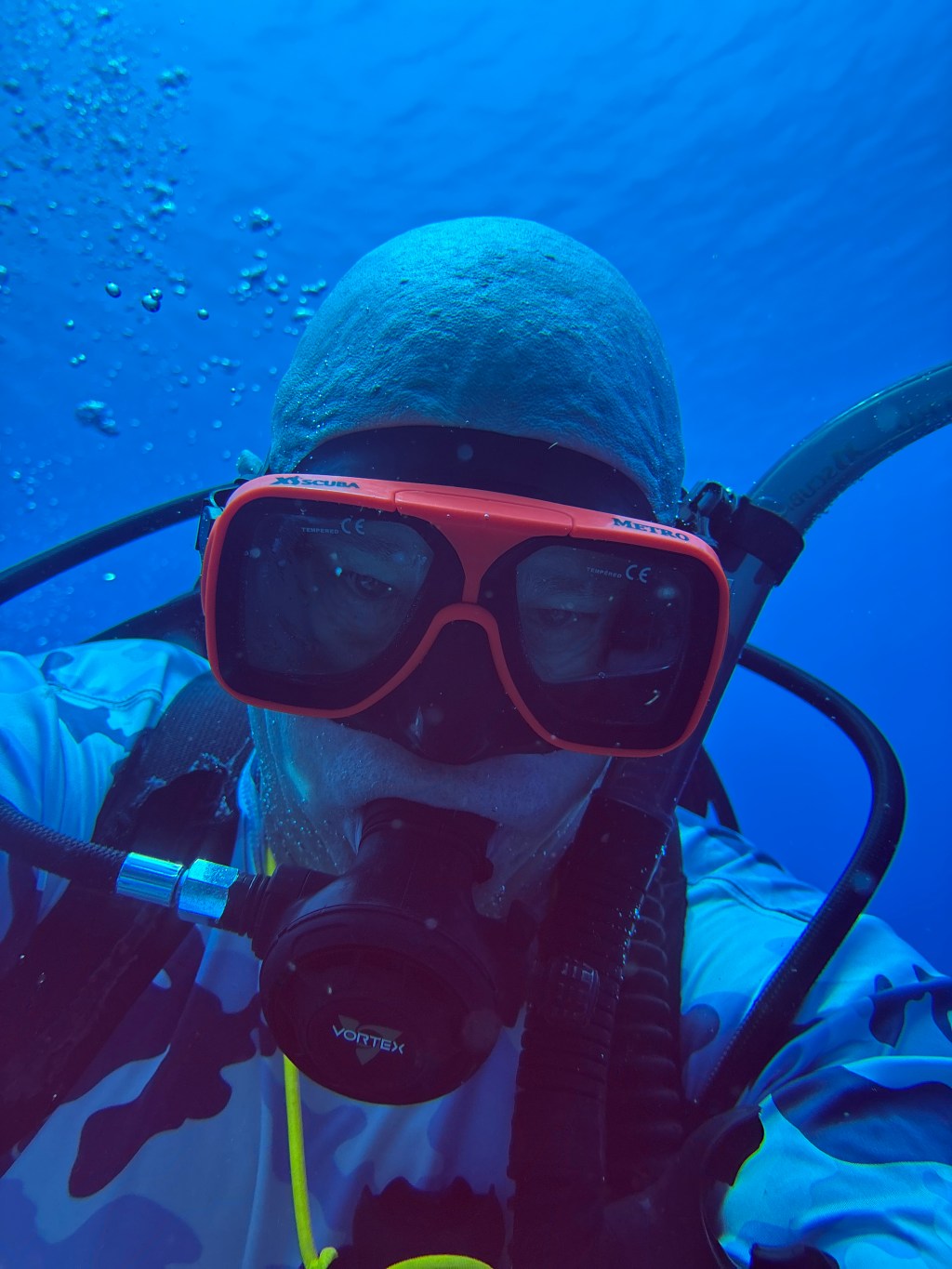
Neptune Warrior, a program dedicated to helping veterans through scuba diving and community building, can incorporate these principles to support veterans in their journey from surviving to thriving.
Community Engagement: Neptune Warrior can host storytelling sessions where veterans share their experiences. These sessions foster community and mutual support, helping veterans to connect with others who understand their journey.
Workshops and Seminars: Hosting workshops on resilience, reflective practice, and narrative therapy can help veterans process their past and build a thriving future. These educational opportunities provide practical tools and strategies for growth.
Peer Mentoring Programs: Establishing peer mentoring programs where veterans guide each other through their journeys can enhance personal growth and community strength. These programs create a supportive network that fosters resilience and success.
Conclusion
Embracing the perspective that bad decisions make great stories encourages a mindset of growth, resilience, and authenticity. It highlights the importance of learning from our experiences and using them to build stronger connections with others. By sharing these stories, we not only entertain and engage but also offer valuable lessons and inspiration.
For veterans, this approach helps normalize their experiences, build resilience, foster connections, and inspire others. It transforms past mistakes into powerful lessons and sources of strength, enabling veterans to lead fulfilling, impactful lives. Through Neptune Warrior and similar initiatives, these principles can be practically applied to support veterans in their journey from surviving to thriving.

 The Neptune Warrior
Leave a comment