
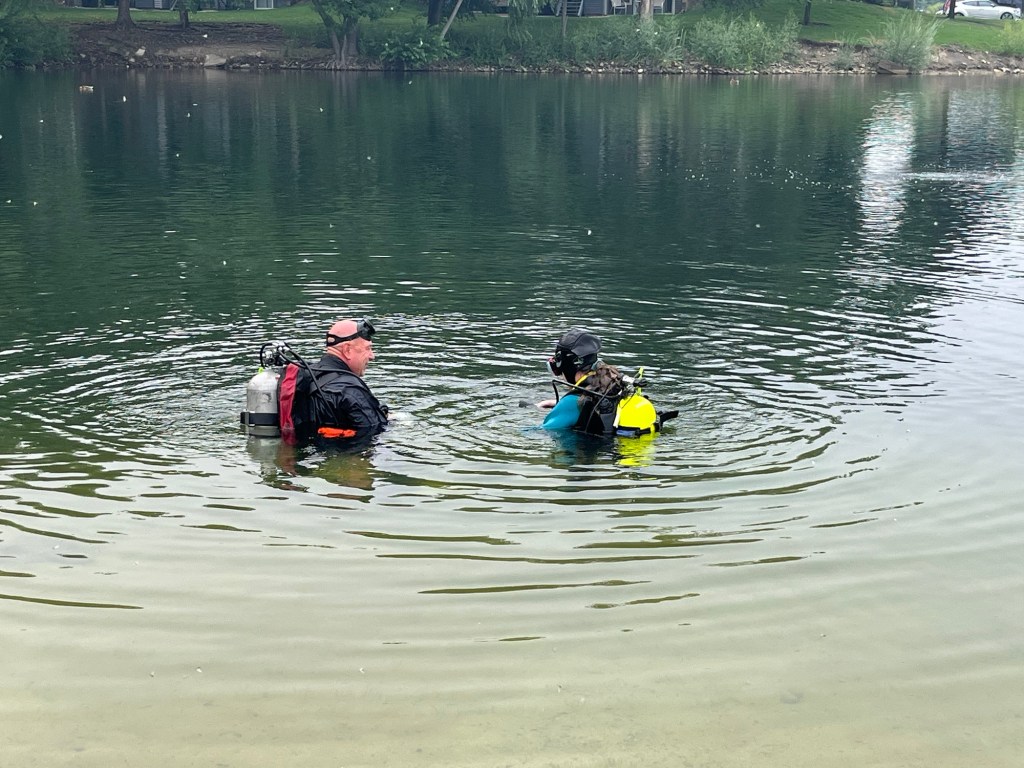
The proverb “Still waters run deep” metaphorically illustrates the profound and often hidden depths of a person’s experiences and emotions, particularly in the context of veterans with PTSD. Research on diving, particularly the therapeutic benefits of scuba diving, has indeed demonstrated that this activity can provide significant psychological and emotional benefits, particularly for those struggling with PTSD and other mental health conditions.
Here is some research I found supporting the idea that diving can help veterans connect with their deeper emotions, providing a space for exploration, healing, and peace:
Therapeutic Benefits of Scuba Diving for Veterans with PTSD:
- A study published in the Journal of Rehabilitation Research and Development found that scuba diving can significantly reduce symptoms of PTSD in veterans. The study revealed that the experience of being underwater, in a controlled environment, helps veterans manage stress and anxiety. The weightlessness and calm of the underwater environment mimic some of the relaxation techniques used in therapy, allowing veterans to process their emotions in a peaceful setting.
- Another study conducted by the Diving Medicine Research Institute showed that veterans participating in therapeutic diving programs reported improvements in mood, reductions in anxiety and depression, and an enhanced sense of well-being. The study suggests that the underwater environment provides a unique sensory experience that can help veterans reconnect with themselves and their emotions.
Connection Between Water and Mental Health:
- The concept of “Blue Mind,” popularized by marine biologist Wallace J. Nichols, explores the science behind how being near, in, on, or under water can make people happier, healthier, and more connected. Nichols’ work indicates that water environments can have a calming effect on the brain, reducing stress and promoting relaxation. For veterans with PTSD, diving into the deep water represents a safe space where they can explore their thoughts and emotions away from the triggers and stressors of everyday life.
- Nichols’ research also suggests that the sensory experiences of being underwater—such as the feeling of weightlessness, the sound of breathing through a regulator, and the sight of marine life—can lead to a meditative state. This meditative state helps veterans quiet their minds, allowing them to reflect on their experiences and emotions in a non-threatening environment.
Psychological Mechanisms of Diving Therapy:
- Research has shown that the rhythmic breathing required in scuba diving can mimic the effects of mindfulness meditation, which is often used in PTSD treatment. The focus on breathing, coupled with the immersive environment of the underwater world, helps veterans stay grounded in the present moment. This focus on the present can reduce the intensity of flashbacks or intrusive thoughts, common symptoms of PTSD.
- Additionally, the challenge and skill development involved in diving can improve self-efficacy and confidence, which are often diminished in individuals with PTSD. Successfully mastering diving skills and exploring underwater environments can lead to a sense of accomplishment and empowerment, helping veterans regain control over their lives.
These studies provide strong evidence that scuba diving can serve as a therapeutic intervention for veterans with PTSD. The underwater environment offers a unique opportunity for veterans to engage with their deeper emotions and experiences in a controlled, peaceful setting, much like the metaphorical “deep waters” of the proverb. The calming, meditative state induced by diving helps veterans find a connection with themselves, promoting healing and peace.
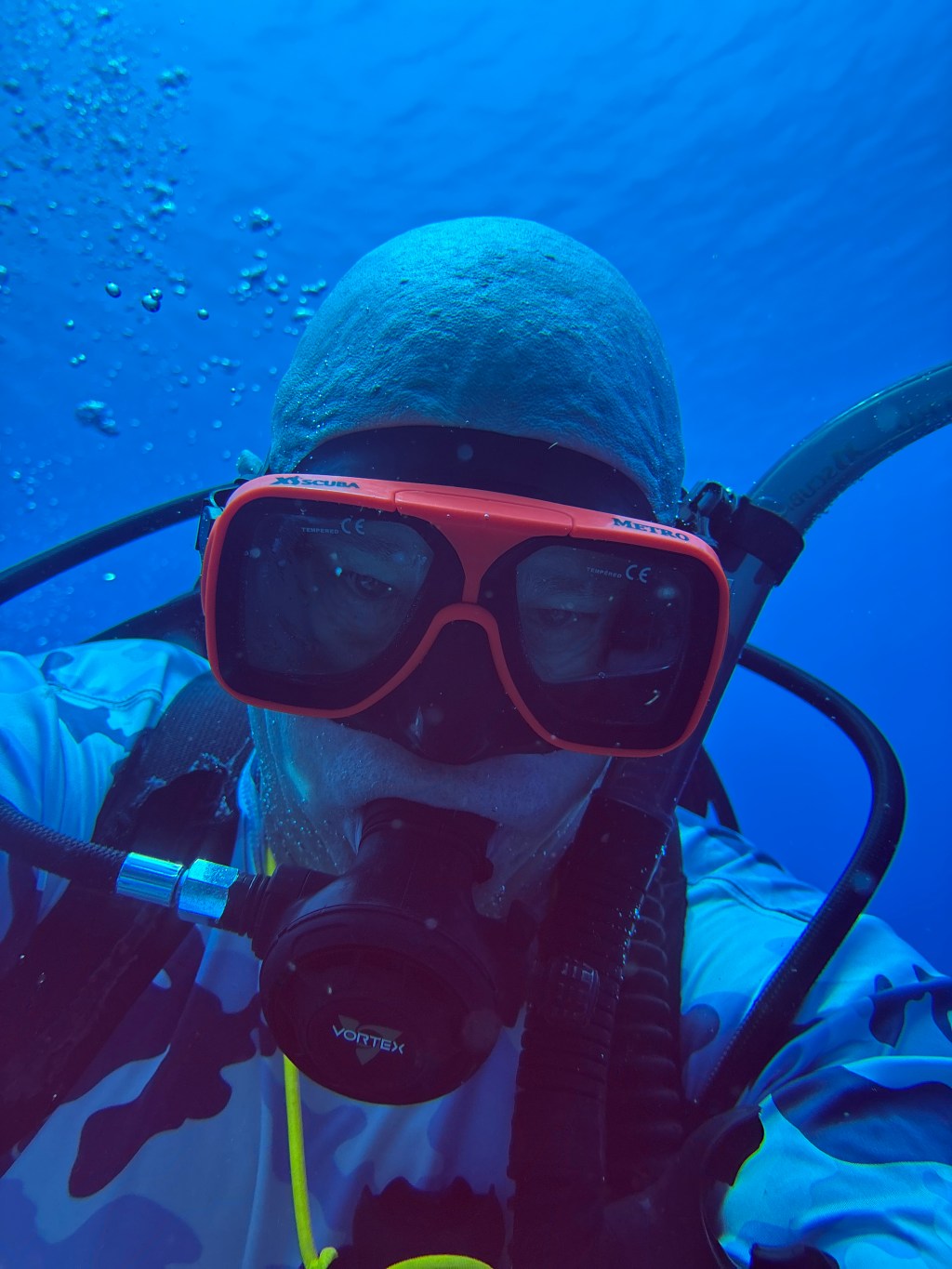


 The Neptune Warrior
Leave a comment