
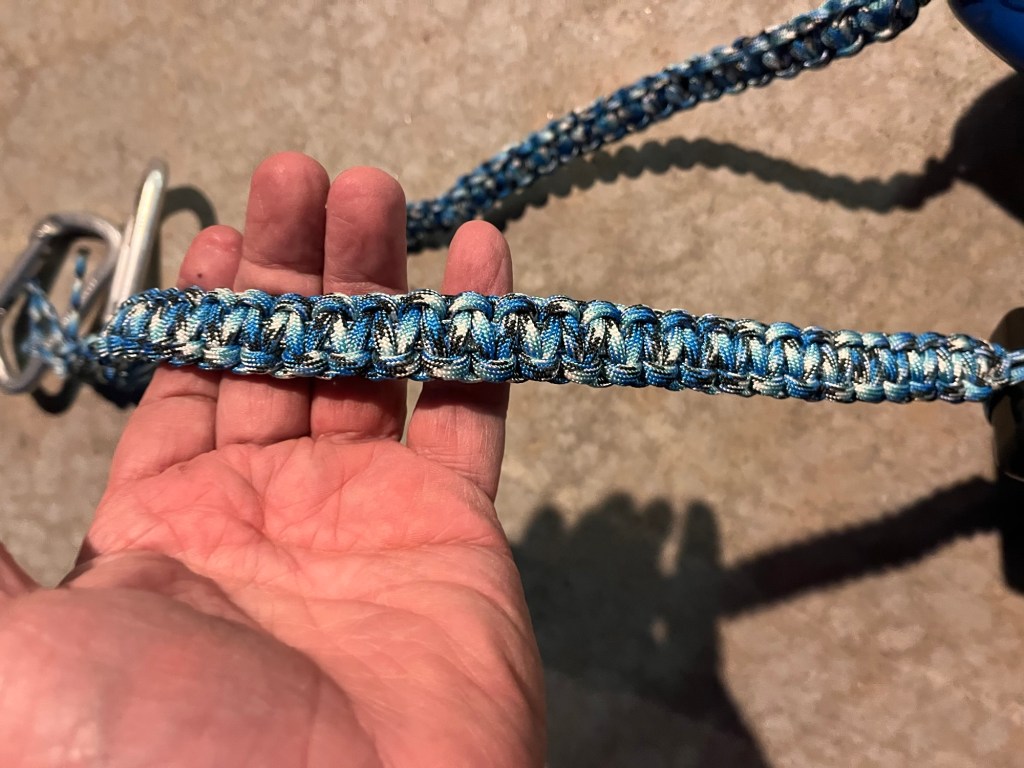
I hover just above the diver, weightless at the bottom of the pool, watching as they lay flat in 13 feet of water, fully immersed in their task. Their hands move with deliberate precision, threading and pulling the paracord to tie a survival bracelet. Each movement is intentional, calm, and controlled, like a silent dance of focus beneath the surface. The diver’s buoyancy is perfect—they remain steady on the pool floor, their breathing slow and rhythmic. From this vantage point, I see more than just the physical act; I see the tranquility it brings, the way the water itself seems to wrap around their task, amplifying the calm they’re creating.
This is no ordinary exercise. For this diver—and for many like them in Neptune Warrior—this act is a form of therapy. It is a way to reclaim focus, reduce anxiety, and rediscover a sense of control. Watching them work, I see the water acting as both a challenge and an ally, requiring deliberate effort to stay still while weaving something tangible and meaningful. The bracelet becomes more than just a crafted object—it is a symbol of resilience and mindfulness.
Why Underwater Activities Work
The activities we practice in Neptune Warrior—like tying survival bracelets, balancing a golf ball on the backside of a spoon, or linking monkeys in our “Monkey Business” exercise—are deeply therapeutic. These exercises combine tactile engagement, physical control, and mental focus, making them powerful tools for managing stress and building confidence.
The underwater environment enhances these benefits. The weightlessness of being submerged eliminates physical constraints, allowing participants to focus entirely on their task. Meanwhile, maintaining buoyancy while working requires a dual focus that quiets the mind. For veterans and first responders, this unique combination fosters a profound sense of calm and clarity, often missing in their daily lives.
The Science Behind the Calm
Psychologically, these activities mirror the benefits of crafts like knitting or crocheting, which have long been recognized for their ability to reduce anxiety. The repetitive, rhythmic motions involved in tying bracelets or linking monkeys engage the parasympathetic nervous system, which counteracts the body’s stress response. The controlled breathing required in scuba diving enhances this effect, grounding the diver in the present moment.
Engaging in fine motor tasks underwater stimulates the brain’s neuroplasticity, strengthening neural pathways that support focus and emotional regulation. The completion of these tasks—whether it’s a bracelet or a monkey chain—provides a tangible sense of achievement, reinforcing self-worth and capability. For individuals rebuilding their confidence after trauma, these small victories are monumental.
Building Connection and Community
Some activities, like “Monkey Business,” involve collaboration, encouraging divers to work together to achieve a shared goal. Much like knitting circles or group crafting, these exercises foster camaraderie and trust. For veterans and first responders, the bonds formed underwater often extend beyond the pool, creating a supportive community where healing and growth can continue.
The social aspect of these tasks is especially important. Underwater communication is limited to gestures and body language, requiring participants to rely on trust and teamwork. This shared experience becomes a metaphor for connection—one that is as much about building relationships as it is about linking monkeys or threading cords.
Translating the Skills to Life on Land
What makes these activities truly remarkable is how easily their benefits transfer to life on land. The focus and mindfulness cultivated underwater can be applied to everyday tasks, like crafting a lanyard for dive lights or assembling other practical items. These land-based activities continue the therapeutic process, providing opportunities to practice patience, creativity, and intentionality.
Creating something with your hands—whether underwater or at a workbench—is a reminder of your ability to focus and achieve. It’s a tangible way to connect with the present moment, and for many of our divers, it becomes a tool for grounding themselves when life feels overwhelming.
A Ripple Effect of Healing
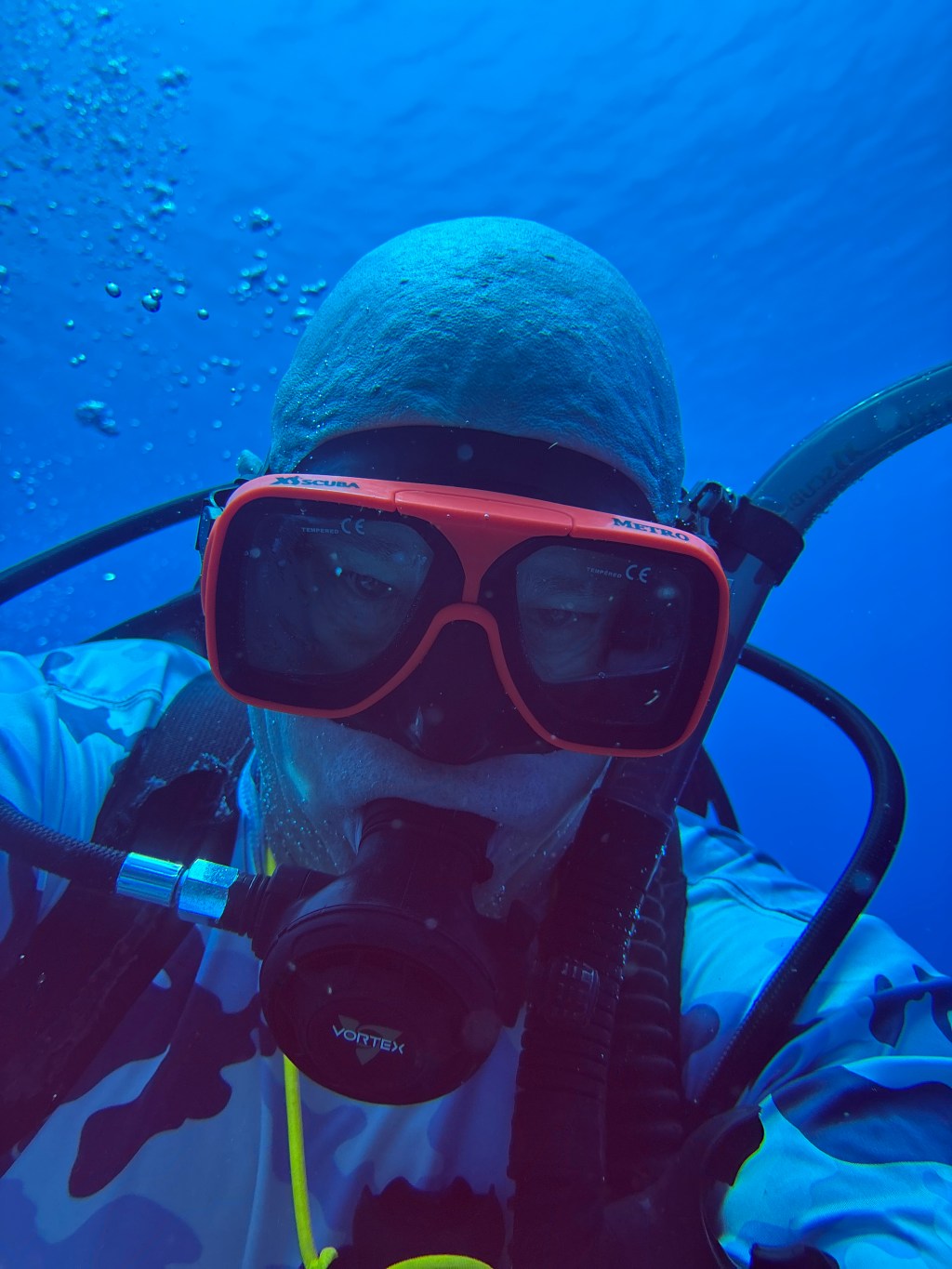
As the diver finishes their bracelet and raises it for me to see, a small bubble escapes their regulator and drifts upward, like a punctuation mark on their accomplishment. Hovering above them, I can feel the weight of what they’ve just achieved. It’s not just a bracelet; it’s a moment of peace, a step toward healing, a symbol of focus and resilience.
The beauty of these underwater activities is that they offer a framework for mindfulness and mastery that extends far beyond the pool. Whether it’s tying a bracelet, building a cairn during a hike, or crafting a lanyard for dive lights, these small, intentional acts remind us of the power of being present. The tools we cultivate underwater—the patience, the focus, the confidence—are tools we can carry with us into every part of our lives.
It’s not about how deep you dive or how complex the task; it’s about the calm and clarity you bring to the process. These activities are ripples in the water, spreading outward, creating waves of healing and growth that extend far beyond the dive.

 The Neptune Warrior
Leave a comment