
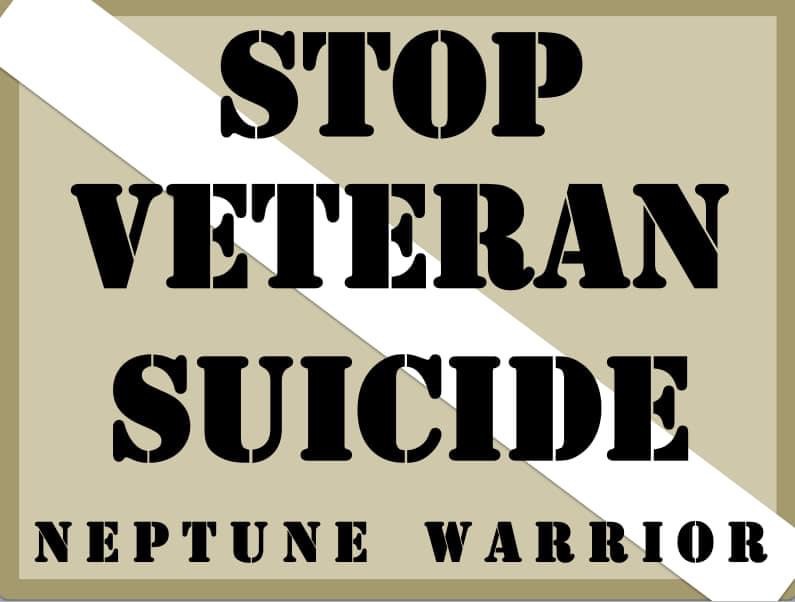
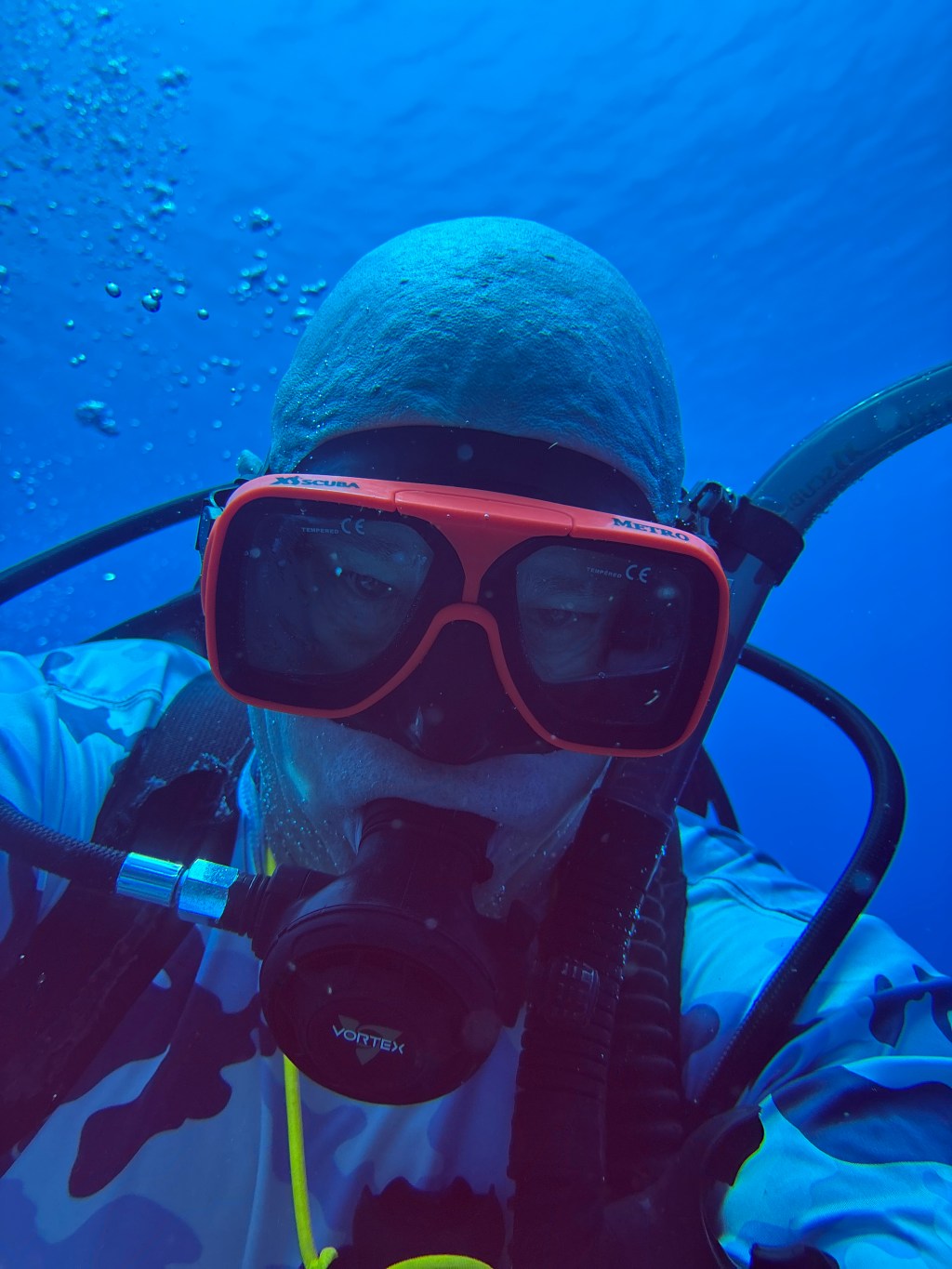
Diving requires methodical preparation, focus on breathing, respect for safety protocols, and trust in your team. Oddly enough, managing Post-Traumatic Stress (PTS)—especially during high-stimulation events like New Year’s Eve—parallels these same principles.
When divers descend beneath the surface, they need to be keenly aware of their environment and their own mental and physical cues. The same is true when preparing for the “pressure” of New Year’s celebrations, with the noises, gatherings, and potential triggers they can bring. By applying the lessons of diving, you can adopt strategies that mitigate stress and help maintain a sense of calm and control.
1. Suiting Up: Preparing for Potential Triggers
What Divers Do:
A diver’s checklist is thorough. They check their gear, ensure oxygen levels are right, and confirm water conditions. Preparation is non-negotiable.
How This Applies to PTS:
- Identify Your Triggers: If you know loud fireworks, crowds, or feeling confined might set off negative emotions, build a plan in advance.
- Plan Your Surroundings: Much like a diver verifying the water current, check your plans for the evening—who will be around, how long you plan to stay, and the noise levels.
- Establish Boundaries: Communicate your comfort levels to friends or family so they can help respect your space and triggers.
2. Buddy Check: Building a Support Network
What Divers Do:
Diving with a buddy isn’t just recommended—it’s essential for safety. Buddies watch out for each other’s well-being and can help in emergencies.
How This Applies to PTS:
- Enlist Allies: Have someone—a friend, family member, or fellow veteran—who understands your triggers. Let them know how they can help if anxiety spikes.
- Check In Often: Text or call if you need reassurance, or pre-arrange a simple code word that signals you need a break.
- Professional Help: Don’t hesitate to reach out to mental health professionals if you feel overwhelmed. Crisis hotlines and VA resources are a phone call away.
3. Regulating Your Breathing: Finding Your Inner Calm
What Divers Do:
Proper breathing is critical underwater. Divers use slow, measured breaths to optimize oxygen intake and maintain composure, even when unexpected currents or wildlife appear.
How This Applies to PTS:
- Deep Breathing Techniques: When feeling anxious, focus on slow inhales through the nose and controlled exhales through the mouth.
- Grounding Exercises: Pair your breathing with a grounding technique—name a few things you see, hear, or feel to anchor yourself in the present moment.
- Mindful Moments: If the night gets overwhelming, step away to a quiet space for a brief “breathing break.”
4. Checking Your Gauges: Monitoring Your Mental and Emotional State
What Divers Do:
Divers continuously check their oxygen gauge and depth to avoid going too far or too deep. This self-awareness is vital.
How This Applies to PTS:
- Know Your Limits: Recognize early warning signs of distress, such as increased heart rate, sweating, or racing thoughts.
- Set an Exit Plan: It’s okay to leave a party early or opt for a smaller gathering instead of a large, loud celebration.
- Self-Care Over FOMO: Missing out on certain activities is a fair trade-off for preserving your mental health.
5. Dive Lights and Visibility: Creating a Safe “Bubble”
What Divers Do:
Divers rely on reliable lighting in dark or murky conditions to maintain orientation and visibility. They also stick to clear water conditions when possible.
How This Applies to PTS:
- Safe Spaces: Choose environments where you feel comfortable—perhaps a close friend’s home rather than a massive public event.
- Sensory Aids: If fireworks are a trigger, think about using earplugs or noise-cancelling headphones. Dim lights or gentle music can help maintain a calming atmosphere.
- Substitute Routines: If New Year’s crowds at midnight feel chaotic, plan a special toast at an earlier time or create a ritual (journaling, quiet reflection, or a small circle of friends) that works for you.
6. Surfacing Slowly: Taking It One Step at a Time
What Divers Do:
If a diver ascends too quickly, there’s a risk of decompression sickness. A slow ascent lets the body adjust gradually.
How This Applies to PTS:
- Pace Yourself: Even small gatherings can grow overwhelming quickly. Ease into social situations if you choose to celebrate outside your home.
- Debrief Afterwards: Once the clock strikes midnight (or when you finish celebrating), take time to decompress. Share how you feel with your support buddy or journal about the experience.
- Ongoing Recovery: Just like divers don’t go from depths to the surface instantly, managing stress is an ongoing process. Give yourself the grace and patience to heal at your own pace.
Conclusion: Dive Into the New Year With Mindfulness and Support
The precision, calm, and safety measures that accompany a successful dive can guide us through the turbulence of New Year’s celebrations. By anticipating triggers, engaging your support system, and practicing grounding techniques, you can confidently navigate the transition into the new year.
Remember, it’s a journey—like diving—where consistent practice, vigilance, and support make all the difference. Whether you’re a veteran coping with PTS or simply looking for healthier ways to celebrate, these diving lessons serve as a powerful reminder: with the right preparation and mindset, you can create a meaningful New Year’s experience that respects both your mental well-being and your future goals.
Resources:
- If you or someone you know is in crisis, call or text 988 to connect with the Suicide and Crisis Lifeline.
- Reach out to local VA resources or mental health professionals for ongoing support.
Here’s to a safe, serene, and supportive New Year—may we all rise to the surface together, stronger and more at peace.

 The Neptune Warrior
Leave a comment