

The Importance of Early Engagement in Scuba Diving for Recently Deployed Military Members
The recent VA Ann Arbor Health Care study on the impact of early therapy initiation for veterans with PTSD highlights a significant reduction in suicide risk for those who engage in timely mental health interventions. This finding reinforces the urgency of connecting recently deployed military members with therapeutic activities that address PTSD symptoms and promote mental well-being. Scuba diving, as offered through programs like Neptune Warrior, serves as a powerful, holistic intervention that aligns with these insights by fostering community, mindfulness, and healing.
Scuba Diving as Early Intervention
The study emphasizes how early therapy can mitigate the chronic and often debilitating symptoms of PTSD. Similarly, scuba diving provides an immediate and immersive experience that combats isolation and promotes a sense of purpose. Engaging recently deployed military members in scuba diving soon after their return can create a proactive buffer against the stressors that may lead to long-term mental health challenges.
The Therapeutic Benefits of Diving
The work we do at Neptune Warrior leverages the therapeutic benefits of scuba diving, which include:
1. Mindfulness and Stress Reduction: The underwater environment demands focused breathing and presence, mirroring mindfulness practices proven to reduce anxiety and depression. This parallels the structured therapies highlighted in the VA study, providing a non-clinical yet equally impactful form of mental health care.
2. Community and Camaraderie: Veterans often struggle with feelings of isolation after deployment. Diving fosters a sense of belonging and shared mission, recreating the camaraderie of military service in a supportive and safe environment.
3. Physical and Emotional Freedom: Scuba diving offers a unique sensation of weightlessness and freedom from physical limitations. For veterans managing chronic pain, injuries, or stress-related conditions, this can be transformative, promoting both physical recovery and emotional resilience.
4. Skill Mastery and Confidence Building: Learning to dive requires discipline, focus, and the acquisition of new skills—traits already familiar to military members. Mastering these skills reinforces confidence and a sense of accomplishment, critical for those reintegrating into civilian life.
Aligning with Evidence-Based Practices
The VA study underscores the importance of evidence-based interventions in addressing PTSD. While scuba diving may not traditionally be categorized as therapy, its benefits are backed by growing research in recreational therapy, hyperbaric oxygen treatment, and stress management. Programs like Neptune Warrior take this a step further by integrating mindfulness exercises, community building, and personalized coaching to create a comprehensive mental health tool for veterans.
A Call to Action
Given the proven benefits of early therapeutic engagement, we must advocate for scuba diving as an accessible and effective intervention for recently deployed military members. Through programs like Neptune Warrior, veterans can access an activity that not only addresses PTSD symptoms but also provides a pathway to long-term healing, growth, and connection.
By tying this work to the findings of the VA study, we can strengthen the case for incorporating scuba diving into broader veteran support initiatives. Together, we can ensure that those who have served find the tools they need to thrive in their post-service lives.
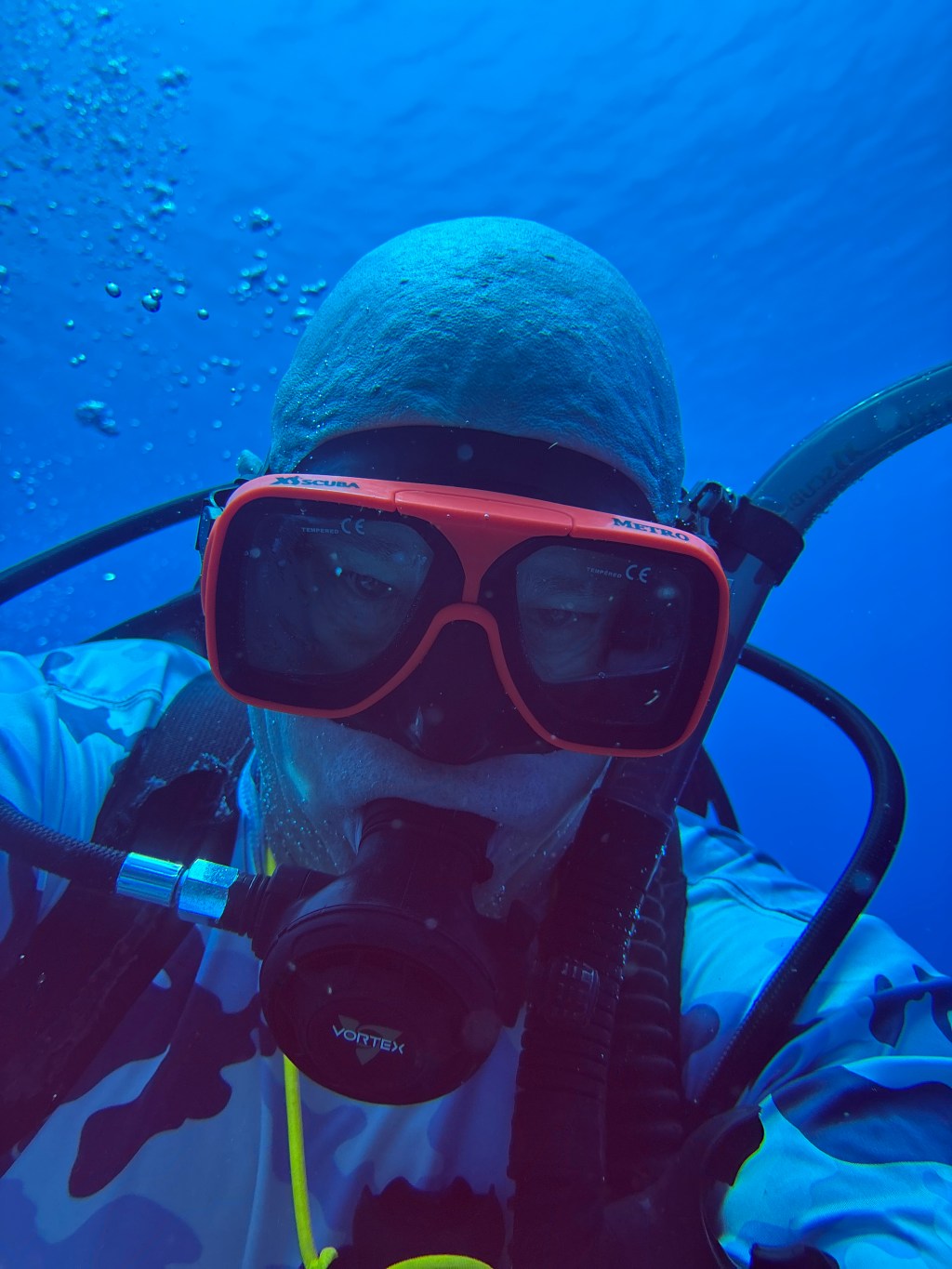


 The Neptune Warrior
Leave a comment