
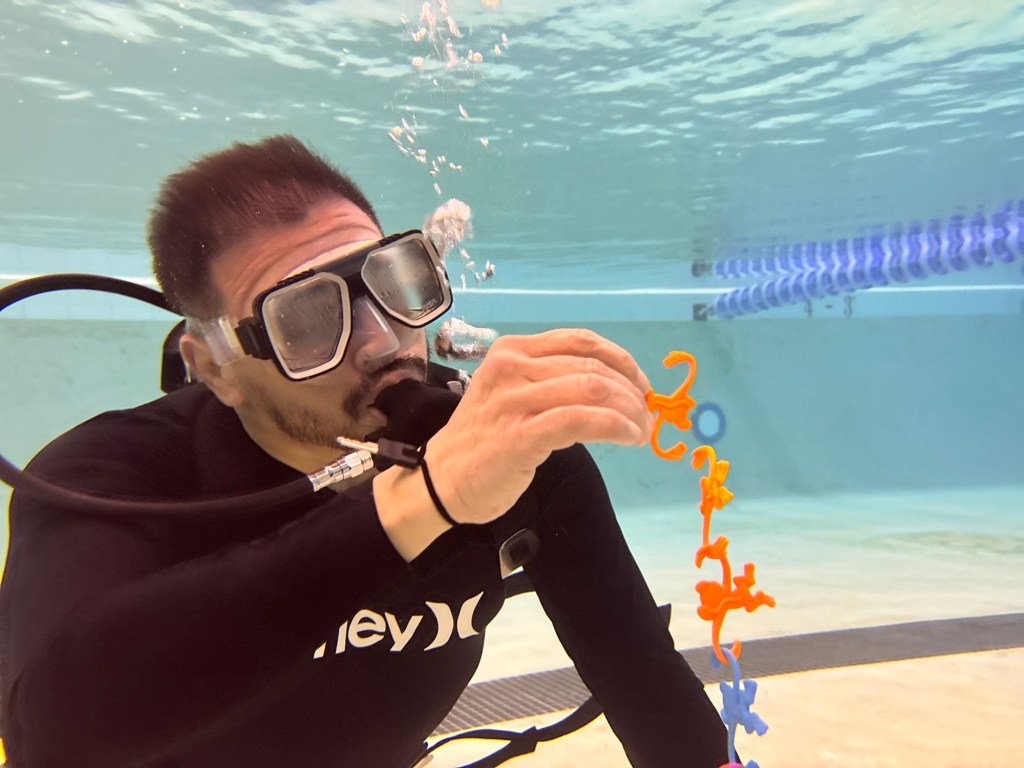
Chronic pain and post-traumatic stress disorder (PTSD) are complex conditions that not only affect mental health but also induce profound biological changes. Emerging research indicates that trauma can lead to epigenetic modifications—heritable changes in gene expression without alterations in the DNA sequence—that may contribute to the development and persistence of these disorders. Understanding these mechanisms opens avenues for innovative therapeutic approaches, including the potential benefits of scuba diving.
Epigenetic Mechanisms in Chronic Pain and PTSD
Epigenetics involves modifications that regulate gene activity without changing the genetic code itself. In the context of chronic pain and PTSD, studies have identified specific epigenetic changes that influence the nervous system’s function. For instance, research published in Nature Communications examined the epigenetic transmission of risk for chronic pain associated with paternal PTSD, highlighting how trauma-related epigenetic alterations can be inherited and affect offspring susceptibility to pain disorders.
Additionally, a meta-analysis across military cohorts found that PTSD is associated with distinct DNA methylation patterns, particularly in genes related to immune function and stress response. These findings suggest that trauma can leave a lasting epigenetic imprint, potentially contributing to the chronicity of PTSD symptoms.
Scuba Diving as a Therapeutic Intervention
Beyond traditional treatments, alternative therapies like scuba diving have shown promise in alleviating symptoms of chronic pain and PTSD. The unique environment of scuba diving—characterized by weightlessness, controlled breathing, and immersive focus—may offer psychological and physiological benefits.
A study evaluating the therapeutic benefits of scuba diving for military veterans with physical and psychological injuries found significant improvements in chronic pain relief and depression symptoms. Participants reported enhanced social functioning and reduced symptom severity, indicating that scuba diving can serve as a valuable complementary therapy.
Furthermore, research comparing meditative scuba diving to multisport activities revealed that diving could effectively reduce PTSD symptoms, particularly intrusive thoughts. The mindfulness component inherent in scuba diving—focusing on breathing and the present moment—may play a crucial role in these therapeutic effects.
Psychological Theories Supporting Scuba Diving Therapy
The therapeutic benefits of scuba diving can be understood through several psychological frameworks:
• Mindfulness-Based Stress Reduction (MBSR): Scuba diving requires sustained attention to breathing and environmental awareness, aligning with MBSR principles that help reduce stress and enhance emotional regulation.
• Flow Theory: Proposed by psychologist Mihaly Csikszentmihalyi, the concept of “flow” describes a state of complete immersion and focus in an activity. Scuba diving often induces this state, which is associated with increased well-being and reduced anxiety.
• Exposure Therapy: Controlled exposure to anxiety-provoking situations is a core component of exposure therapy for PTSD. Scuba diving introduces individuals to new environments in a controlled manner, potentially helping desensitize them to stressors.
Conclusion
Integrating insights from epigenetic research with innovative therapeutic practices like scuba diving offers a holistic approach to managing chronic pain and PTSD. By addressing both the biological underpinnings and psychological manifestations of these conditions, individuals can find new pathways to healing.
For those interested in exploring this therapeutic avenue, organizations like Neptune Warrior provide programs that leverage the benefits of scuba diving for veterans and others dealing with trauma. As they say, “As long as you have air, you are alright.”
Note: Before engaging in any new therapeutic activity, especially those involving physical exertion like scuba diving, it’s essential to consult with healthcare professionals to ensure safety and appropriateness for your specific health condition.



 The Neptune Warrior
Leave a comment