

The treatment of Generalized Anxiety Disorder (GAD) is undergoing a significant transformation with the launch of Phase 3 trials for MM120 (lysergide D-tartrate) by MindMed. This novel approach, utilizing a controlled dose of LSD, aims to provide an alternative to traditional pharmaceuticals, which often come with significant side effects and dependency risks. While promising, the reliance on pharmaceuticals alone overlooks the potential of holistic approaches, such as scuba diving, in managing anxiety. By combining evidence-based medical treatments with non-pharmacological interventions, we can create a more balanced and sustainable path to mental wellness.
MindMed’s MM120 Trials: A New Frontier in Anxiety Treatment
MindMed’s Phase 3 trials mark a pivotal moment in the evolution of anxiety treatment. The Voyage trial, launched in late 2024, is the first Phase 3 study evaluating LSD for any condition. Conducted in the U.S., it follows a rigorous two-arm design comparing MM120 to a placebo to assess efficacy in treating GAD. Shortly after, the Panorama trial dosed its first patient, expanding research into the safety and long-term benefits of MM120.
These trials build on the success of the Phase 2b study, which demonstrated significant reductions in Hamilton Anxiety Rating Scale (HAM-A) scores after a single dose of MM120. Participants showed a 65% clinical response rate and a 48% remission rate after 12 weeks—results that led the U.S. Food and Drug Administration (FDA) to grant Breakthrough Therapy Designation to MM120 (MindMed, 2024). This recognition underscores the compound’s potential to transform anxiety treatment.
However, while MM120’s efficacy is promising, the broader conversation about anxiety management must consider non-pharmaceutical interventions. A growing body of evidence suggests that a holistic approach, particularly one incorporating therapeutic experiences like scuba diving, can enhance long-term recovery and reduce reliance on medication.
The Overuse of Pharmaceuticals in Anxiety Treatment
The medical community has long relied on pharmaceuticals as the primary treatment for anxiety disorders. While medications such as SSRIs and benzodiazepines can be effective, they are often overprescribed, leading to dependency and diminishing long-term effectiveness. Research indicates that psychiatric medications are frequently used as a first-line treatment, despite growing concerns about overmedication and polypharmacy (Mojtabai & Olfson, 2010).
Furthermore, pharmaceuticals typically address symptoms rather than root causes, making them a temporary fix rather than a sustainable solution. Long-term reliance on medication without complementary therapeutic practices can prevent individuals from developing natural coping mechanisms and achieving true emotional resilience. While MM120 presents a novel alternative to traditional anxiety medications, integrating non-pharmacological approaches can further enhance patient outcomes.
Why Holistic Scuba Should Be Used in Anxiety Treatment
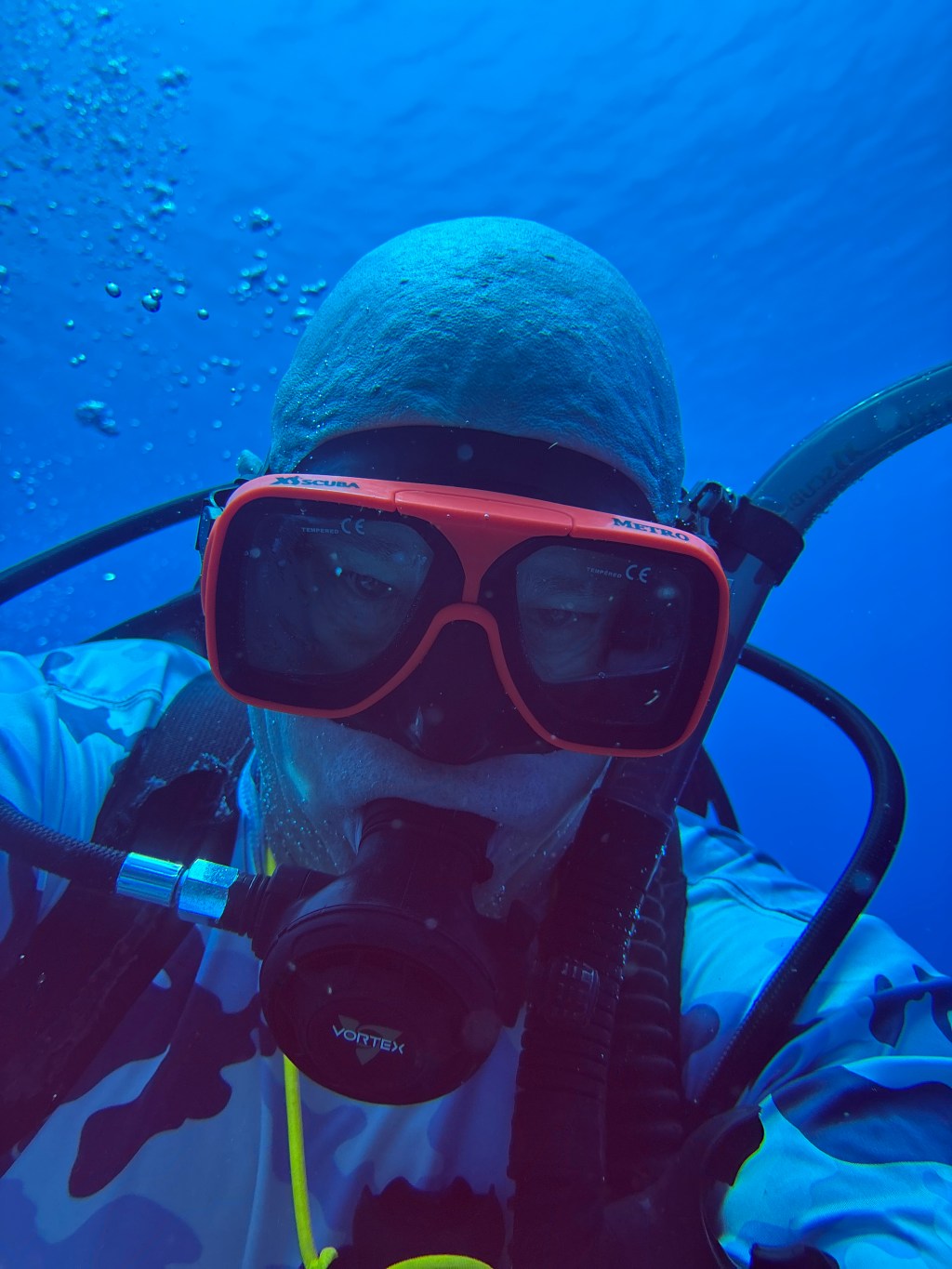
Scuba diving offers a unique, immersive experience that engages multiple physiological and psychological processes essential to reducing anxiety. Unlike pharmaceuticals, which artificially alter brain chemistry, diving fosters natural neuroplasticity, controlled breathing, sensory immersion, and social connection, all of which contribute to lasting mental wellness.
1. Scuba Diving and Neuroplasticity
Neuroplasticity—the brain’s ability to adapt and rewire in response to new experiences—is a critical factor in anxiety recovery. Research by Rosenzweig et al. (2002) has demonstrated that engaging in novel, enriched environments enhances synaptic connections, fostering cognitive flexibility and emotional regulation. Scuba diving provides an ideal setting for this process, offering a controlled yet novel environment that encourages focus, relaxation, and adaptation.
2. Controlled Breathing and Autonomic Regulation
One of the most immediate and profound benefits of scuba diving is controlled breathing. Divers practice slow, deep breaths to optimize air consumption and buoyancy, mirroring techniques used in meditation and breathwork. Studies show that slow, intentional breathing activates the parasympathetic nervous system, reducing cortisol levels and promoting a state of relaxation (Jerath et al., 2006). Unlike medication, which temporarily alters brain chemistry, controlled breathing allows individuals to naturally regulate their stress responses, leading to long-term improvements in emotional resilience.
3. The Therapeutic Power of Water
Water-based therapy has been widely studied for its positive effects on mental health. The weightlessness of water reduces physical tension, while the immersive environment fosters a state of mindfulness. Nichols (2014) describes this as the “Blue Mind Effect”, in which water immersion promotes calmness, clarity, and emotional well-being. Scuba diving takes this further by combining breath control, sensory engagement, and movement, creating a holistic experience that naturally alleviates anxiety.
4. Social Connection and Community
Anxiety often leads to isolation, and traditional treatments may not address the importance of social bonding. Scuba diving inherently fosters trust, teamwork, and shared experiences, offering divers a sense of community and belonging. Research shows that strong social connections improve mental health outcomes, making diving a powerful tool for individuals struggling with anxiety (Holt-Lunstad et al., 2010).
A Balanced Approach: Scuba and Medication Together
The goal is not to replace pharmaceuticals entirely but to incorporate holistic interventions into a comprehensive treatment plan. Just as Cognitive Behavioral Therapy (CBT) has become a gold standard alongside medication, holistic scuba can serve as an equally valuable complement. Integrating diving into anxiety treatment allows individuals to experience the benefits of both physiological and psychological engagement, leading to a more sustainable path to healing.
Conclusion
MindMed’s MM120 trials represent a major breakthrough in anxiety treatment, offering a new pharmaceutical alternative to traditional SSRIs and benzodiazepines. However, medication alone is not enough. The overreliance on pharmaceuticals has led to dependency, overprescription, and a failure to address anxiety’s root causes.
Scuba diving presents a compelling, non-pharmaceutical intervention that supports neuroplasticity, autonomic regulation, and social connection. By integrating holistic diving into anxiety treatment, we can reduce reliance on pharmaceuticals, promote natural healing, and create a more balanced approach to mental wellness.
References
Holt-Lunstad, J., Smith, T. B., & Layton, J. B. (2010). Social relationships and mortality risk: A meta-analytic review. PLOS Medicine, 7(7), e1000316. https://doi.org/10.1371/journal.pmed.1000316
Jerath, R., Edry, J. W., Barnes, V. A., & Jerath, V. (2006). Physiology of long pranayamic breathing: Neural, respiratory, and cardiovascular correlates. Medical Hypotheses, 67(3), 566-571. https://doi.org/10.1016/j.mehy.2006.02.042
MindMed. (2024). MindMed presents Phase 2b study of MM120 for generalized anxiety disorder (GAD) at American Psychiatric Association (APA) annual meeting in New York. MindMed Investor Relations. https://ir.mindmed.co/news-events/press-releases/detail/144/mindmed-presents-phase-2b-study-of-mm120-for-generalized-anxiety-disorder-gad-at-american-psychiatric-association-apa-annual-meeting-in-new-york
Mojtabai, R., & Olfson, M. (2010). National trends in psychotropic medication polypharmacy in office-based psychiatry. Archives of General Psychiatry, 67(1), 26-36. https://doi.org/10.1001/archgenpsychiatry.2009.180
Nichols, W. J. (2014). Blue mind: The surprising science that shows how being near, in, on, or under water can make you happier, healthier, more connected, and better at what you do. Little, Brown Spark.
Rosenzweig, M. R., Bennett, E. L., & Diamond, M. C. (2002). Effects of differential experience on brain and behavior: Biological, psychological, and sociological perspectives. Developmental Neuropsychology, 24(2-3), 523-540. https://doi.org/10.1207/S15326942DN2402_09

 The Neptune Warrior
Leave a comment