

David A. Robertson’s reflections on embracing anxiety through storytelling hold profound implications for veterans coping with post-traumatic stress and anxiety. His memoir, All the Little Monsters: How I Learned to Live with Anxiety, emphasizes that healing is not about eradicating inner struggles but learning to live with them. This approach aligns with research on the therapeutic benefits of storytelling, particularly in helping individuals navigate trauma. For veterans, storytelling offers a structured way to process experiences, find meaning, and reconnect with themselves and their communities.
Scientific research supports the idea that storytelling can be instrumental in healing anxiety, trauma, and PTSD. Friskie (2020) highlights how narrative fosters identity reconstruction and resilience, which is particularly valuable for veterans reintegrating into civilian life. Kirmayer et al. (2011) discuss how storytelling promotes mental health by allowing individuals to reclaim control over their experiences. Lowe and Struthers (2011) also demonstrate how traditional storytelling methods aid in health and wellness, reinforcing its therapeutic role.
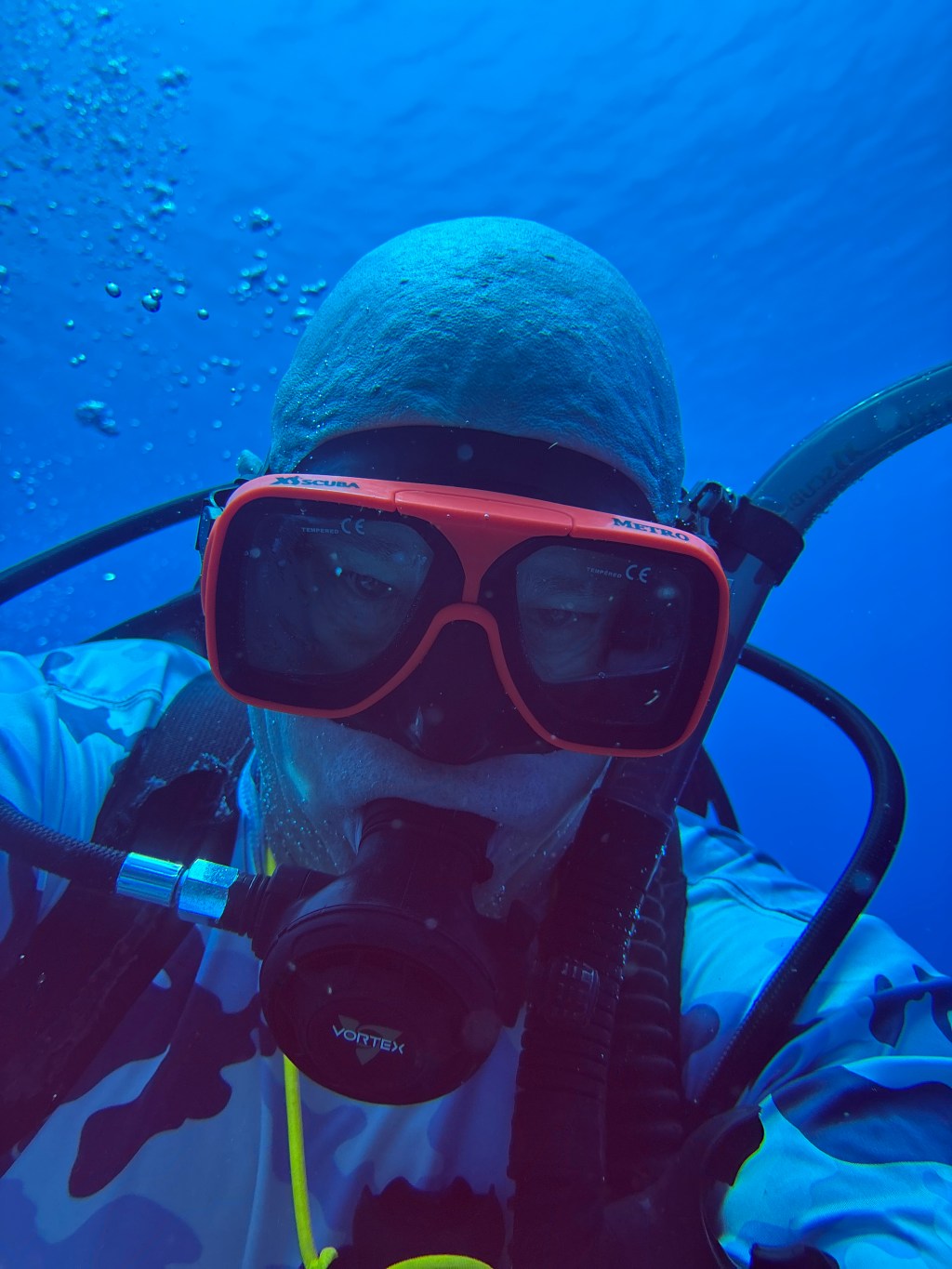
For many veterans, the battle does not end when they return home; it merely changes. The transition from structured military life to civilian uncertainty can be overwhelming, often exacerbating anxiety and PTSD. Here, storytelling becomes a bridge between past experiences and a new sense of identity. Many veterans have found that coupling storytelling with Neptune Warrior’s dive program further enhances their ability to transition, giving them an environment where camaraderie, structure, and mindfulness help ease the anxiety of reintegration.
Example Story #1: Mark’s Journey Through Narrative Therapy and Neptune Warrior
Mark, a Marine Corps veteran, struggled with severe anxiety and PTSD after returning from deployments in Afghanistan. He found it difficult to communicate his experiences, and the lack of understanding from those around him made him feel isolated. Through a veteran storytelling workshop, Mark was encouraged to write and share his story with fellow service members.
At first, reliving those moments was painful, but as he put his thoughts onto paper, he began to make sense of his emotions. In one particular session, Mark described a moment of intense combat where he saved a fellow Marine. Previously, this memory was tied to overwhelming survivor’s guilt, but through storytelling, he saw himself not as someone who had failed others but as someone who had done his best in impossible circumstances. As he shared, other veterans resonated with his struggle, and the act of verbalizing his experience gave him a newfound sense of control. Over time, this process helped alleviate his anxiety and allowed him to integrate his past into a healthier self-concept.
As part of his healing process, Mark was introduced to Neptune Warrior. The structured yet tranquil environment of diving offered him something he hadn’t experienced since leaving the military—a mission. Neptune Warrior required focus, discipline, and teamwork, all of which reminded him of his time in the Marine Corps but in a non-combat setting. Underwater, his anxiety faded. The quiet, the weightlessness, and the rhythmic breathing helped regulate his nervous system. It was during post-dive debriefs with fellow veterans that Mark realized how powerful storytelling was within Neptune Warrior. Sitting around a table, recounting the dive, sharing fears, successes, and funny moments, gave him an opportunity to bond with others in a way that felt natural. His Neptune Warrior teammates weren’t just dive partners; they became his new unit—people who understood him without judgment.
Example Story #2: Lisa’s Connection Through Oral Tradition and Neptune Warrior
Lisa, an Army medic, carried the weight of anxiety and self-doubt long after leaving the military. She felt as though her service had left her disconnected from her family and heritage. Through an Indigenous veteran’s storytelling circle, Lisa was introduced to the oral tradition of her ancestors.
At first, she hesitated, fearing that her war stories would not belong in such a sacred space. But as she listened to elders share stories of resilience, loss, and survival, she realized that trauma and healing were universal human experiences. She began sharing her own story, recounting a time when she treated wounded soldiers under enemy fire. While this memory had always triggered anxiety, speaking it aloud within a safe, culturally rooted space transformed her perception. Instead of seeing herself as just a medic burdened by trauma, she saw herself as a warrior who had honored her duty. This shift in perspective helped ease her anxiety and strengthened her sense of belonging.
As Lisa continued her journey of healing, she was invited to try scuba diving with Neptune Warrior. She was initially hesitant—being underwater felt unfamiliar and even intimidating. But the moment she descended, something changed. The water silenced the noise in her head. The rhythmic breathing mirrored the controlled, measured breathing she had been taught in anxiety management techniques. The focus required to maintain buoyancy and navigate through the water forced her to stay present.
Neptune Warrior became her new support network. After each dive, she and her team would sit together, share their experiences, and reflect on what they had learned. These post-dive storytelling sessions became a place where she could express herself without fear of judgment. Over time, she realized that diving was more than a recreational activity—it was a form of meditation, a way to find peace in an otherwise chaotic world. The camaraderie she had lost after leaving the Army was rediscovered in her Neptune Warrior team, who supported her in and out of the water.
The Role of Neptune Warrior in Veteran Healing
Storytelling is powerful on its own, but when combined with the therapeutic effects of Neptune Warrior’s scuba diving program, it becomes a transformative tool for veterans dealing with anxiety and PTSD. Neptune Warrior provides:
• A Sense of Mission: Like military life, diving requires preparation, teamwork, and precision. This structured approach gives veterans a sense of purpose.
• Mindfulness and Relaxation: The controlled breathing and focus needed in diving help regulate anxiety and promote a sense of calm.
• Physical and Emotional Safety: Underwater, veterans often feel a unique sense of peace, free from the sensory overload of daily life.
• Brotherhood and Sisterhood: The shared experience of diving fosters deep connections, helping veterans find support and understanding among those who have walked similar paths.
David A. Robertson’s perspective on embracing one’s internal struggles through storytelling is deeply relevant to veterans. Through storytelling and Neptune Warrior, veterans like Mark and Lisa have found ways to redefine their experiences, ease their anxiety, and build a new sense of belonging. Scuba diving, much like storytelling, allows them to rewrite their narratives—not as victims of trauma but as individuals reclaiming their lives, one breath at a time.
References
Friskie, S. (2020). The healing power of storytelling: Finding identity through narrative. The Arbutus Review, 11(1). https://journals.uvic.ca/index.php/arbutus/article/view/19324/8643
Kirmayer, L. J., Dandeneau, S., Marshall, E., Phillips, M. K., & Williamson, K. (2011). Rethinking resilience from Indigenous perspectives. Canadian Journal of Psychiatry, 56(2), 84–91. https://doi.org/10.1177/070674371105600203
Lowe, J., & Struthers, R. (2001). A conceptual framework of nursing in Native American culture. Journal of Nursing Scholarship, 33(3), 279–283. https://doi.org/10.1111/j.1547-5069.2001.00279.x

 The Neptune Warrior
Leave a comment