
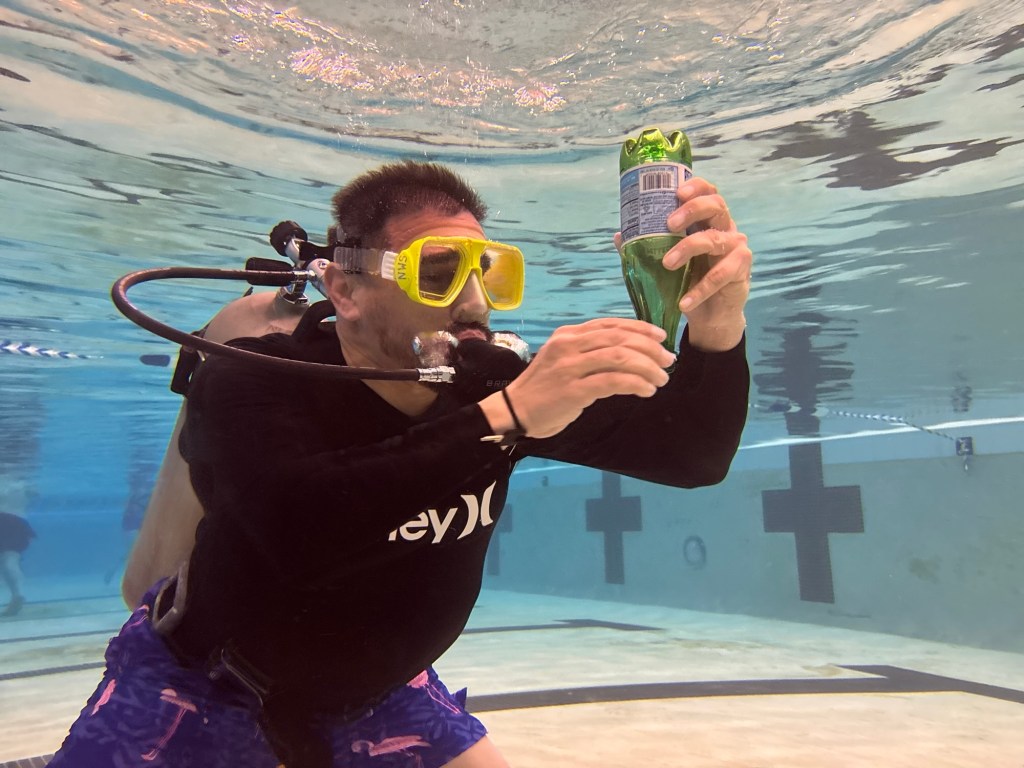
Part of a presentation I gave to a vet group a few weeks ago on our road trip
1. Immersive Environment – Scuba diving places individuals in a unique underwater setting that demands full attention to the present moment. This focus reduces the mental space for traumatic memories, easing hypervigilance and anxiety.
2. Controlled Breathing – The necessity for slow, deep breathing while diving mirrors relaxation techniques used in therapy. It lowers heart rate, reduces panic responses, and promotes a sense of calm.
3. Weightlessness and Physical Freedom – Buoyancy relieves physical tension, creating a sensation of freedom. This can be particularly healing for individuals who feel trapped in their trauma, allowing for a sense of release and movement without pain or restriction.
4. Structured Skill Acquisition – Learning and mastering new diving skills reinforces self-efficacy and builds confidence, counteracting feelings of helplessness that PTSD often brings. Each successful dive serves as a tangible reminder of personal capability.
5. Social Support and Camaraderie – Diving fosters deep connections with others, creating a support system of individuals who share similar experiences. This reduces isolation, encourages trust, and builds a sense of belonging—key components of PTSD recovery.
6. Exposure to ‘Blue Spaces’ – Research shows that water environments have a naturally calming effect, reducing stress and promoting emotional well-being. The ocean, lakes, and pools provide a sensory escape from everyday triggers.
7. Mindfulness and Present-Moment Focus – The demands of scuba diving require constant focus on breathing, movement, and surroundings, reinforcing mindfulness. This present-moment awareness helps break cycles of negative thinking and intrusive thoughts.
8. Sensory Engagement – The underwater world provides unique sights, sounds, and sensations that engage the senses in a positive way. This new stimulation creates an effective distraction from PTSD-related flashbacks and distressing memories.
9. Routine and Discipline – The structure of diving—preparation, execution, and post-dive reflection—offers a sense of stability. Engaging in regular dive sessions builds positive routines, which are crucial for mental health recovery.
10. Physical Exercise – The physical effort required in diving releases endorphins, reduces cortisol, and improves overall health. Exercise is a known therapeutic tool for PTSD, helping to regulate mood and manage stress levels effectively.
These elements combine to create a powerful, holistic approach to PTSD recovery—one that goes beyond talk therapy and medication, offering veterans a new path to healing through the water.
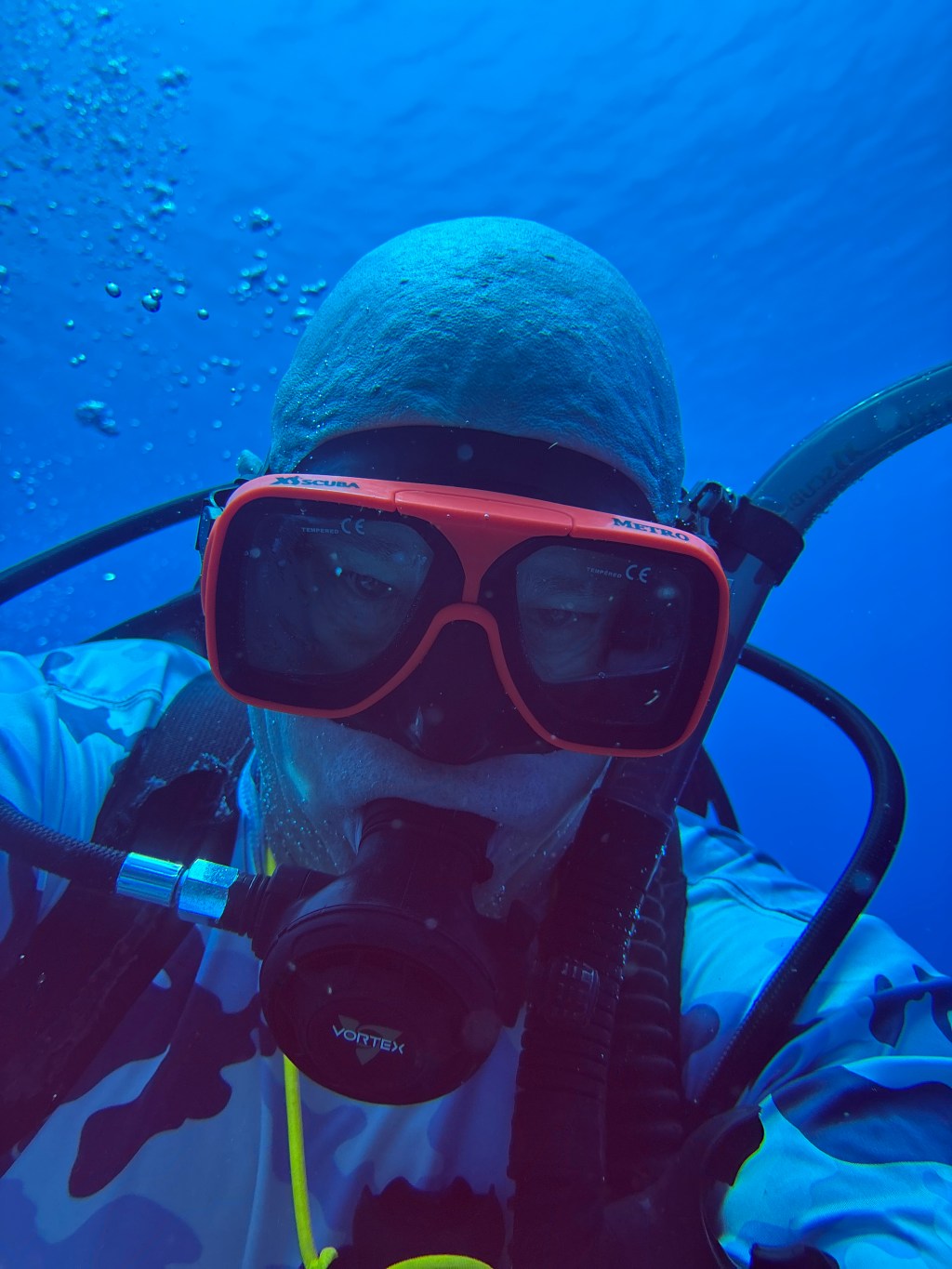


 The Neptune Warrior
Leave a comment