
Healing after trauma—especially for military veterans—requires a comprehensive, multi-faceted approach. Traditional therapies, such as Cognitive Behavioral Therapy (CBT), have proven effective in reducing the risk of suicide among veterans with PTSD when initiated within the first year of diagnosis (Rozance et al., 2024). However, complementary therapies, including holistic scuba diving, provide additional benefits by addressing both psychological and physiological aspects of trauma recovery. Neptune Warrior, a veteran-led nonprofit, is actively advocating for holistic diving to be integrated into post-deployment schedules as an essential component of trauma recovery. This initiative is grounded in research that supports the importance of early intervention and alternative therapeutic approaches for PTSD.
The Importance of Early Holistic Interventions
Studies indicate that early intervention following trauma significantly improves outcomes for individuals with PTSD (Rozance et al., 2024). While CBT and other traditional approaches are essential, the inclusion of experiential and immersive therapies can enhance recovery by engaging the nervous system in a restorative way. Holistic diving offers a unique therapeutic experience by combining mindfulness, controlled breathing, and the soothing effects of underwater immersion, which have been shown to reduce anxiety and stress (Morgan et al., 2022).
A key factor in PTSD is dysregulation of the autonomic nervous system, often leading to hypervigilance, insomnia, and heightened stress responses (Porges, 2017). Immersion in water has been found to activate the parasympathetic nervous system, promoting relaxation and reducing cortisol levels (Morgan et al., 2022). This physiological response, combined with the meditative nature of controlled breathing required in diving, aligns with evidence-based PTSD treatments that emphasize mindfulness and somatic regulation. By integrating holistic diving into post-deployment care, veterans can experience these benefits sooner, potentially mitigating the severity of PTSD symptoms before they become more deeply ingrained.
Why Neptune Warrior is Fighting for Change
Neptune Warrior is dedicated to ensuring that veterans have access to holistic diving as part of their immediate post-deployment care. The organization recognizes that waiting too long to introduce effective interventions can lead to worsening mental health outcomes, including increased rates of depression, substance abuse, and suicide. Research supports that non-traditional therapies, such as scuba diving, can enhance overall well-being and provide a sense of purpose and community—key factors in long-term recovery (Carin-Levy & Jones, 2007).
Additionally, diving offers veterans a controlled yet immersive environment that encourages trust, focus, and self-regulation. Unlike traditional talk therapy, which can sometimes feel overwhelming or emotionally exhausting in the early stages of trauma recovery, holistic diving allows for gradual engagement in therapeutic processes without requiring verbal disclosure of traumatic experiences. This makes it an appealing and accessible option for many veterans who might otherwise be hesitant to seek help.
Conclusion
The evidence supporting early intervention for PTSD is clear—delays in treatment can lead to worsening symptoms and an increased risk of suicide (Rozance et al., 2024). While CBT is a crucial part of trauma recovery, incorporating holistic approaches such as diving offers additional benefits that align with the neurobiological needs of individuals recovering from PTSD. Neptune Warrior’s advocacy for the integration of holistic diving into post-deployment care is not just about providing an alternative therapy; it is about ensuring that veterans have access to a multifaceted healing approach that meets their psychological and physiological needs from the moment they return home. By pushing for immediate implementation, Neptune Warrior is taking a stand for a more comprehensive, effective, and compassionate approach to trauma recovery.
References
Carin-Levy, G., & Jones, D. (2007). Psychophysiological effects of scuba diving for individuals with disabilities. Disability & Rehabilitation, 29(10), 839-850. https://doi.org/10.1080/09638280600926579
Morgan, J., White, R. D., & Means, C. (2022). The therapeutic effects of aquatic environments on mental health: A systematic review. Journal of Alternative and Complementary Medicine, 28(4), 301-317. https://doi.org/10.1089/acm.2021.0284
Porges, S. W. (2017). The pocket guide to the polyvagal theory: The transformative power of feeling safe. W. W. Norton & Company.
Rozance, A. M., et al. (2024). Starting CBT therapies within a year of PTSD diagnosis linked to fewer suicides among veterans. Managed Healthcare Executive. Retrieved from https://www.managedhealthcareexecutive.com/view/starting-cbt-therapies-within-a-year-of-ptsd-diagnosis-linked-to-fewer-suicides-among-veterans
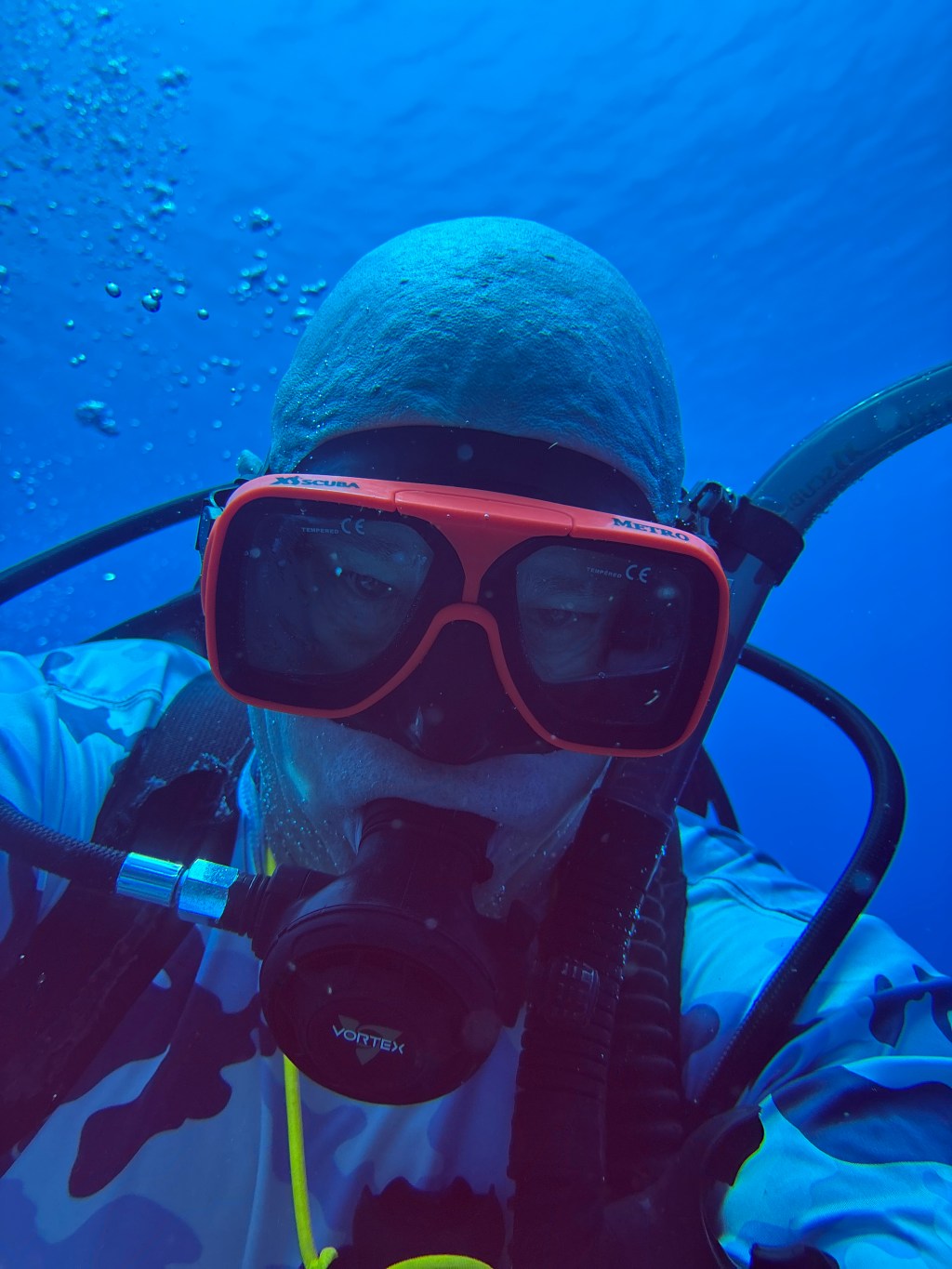


 The Neptune Warrior
Leave a comment